



Category
Lifestyle
Assisted Choices
Musical frequencies are being used to elevate alcoholic beverages.
Trend
Sonic Beverage: Fusing science and experiential production with the alcohol industry, brands are beginning to infuse music into their wine and beer-making processes in order to enhance their products. It is believed that the frequencies in music help to grow the plants involved in beer and wine production, and offer a richer flavor than those that are grown without the help of music. This distinct production process offers brands a unique selling point that caters to aficionados and novices alike – the former for its promise of quality, and the latter for its appeal to novelty-minded consumers.
Trend themes
The use of music in the alcohol making process to create unique selling points.
Engaging multiple senses to enhance the beverage consumption experience.
Collaborating with musical artists and utilizing innovative techniques to create unique beverages.
Industry implications
Using music and multi-sensory experiences to differentiate products and attract customers.
Partnering with established and emerging musical artists to create lucrative and mutually beneficial partnerships.
Providing immersive and unique experiences through multi-sensory and collaborative offerings.
Workshop question
Trend signals
Trend score 4.2 out of 10, from popularity 66%, activity 53%, freshness 8%.
Evidence
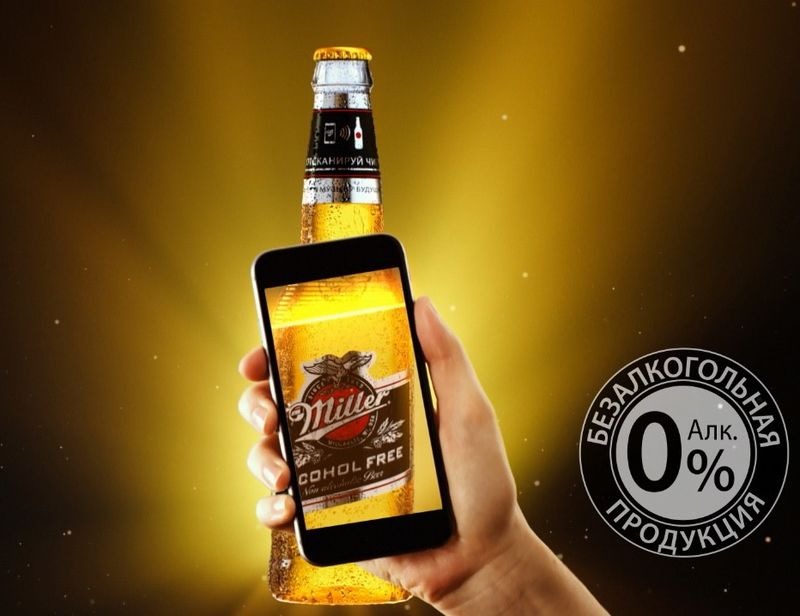
The Newest Alcohol-Free Bottles of Miller Beer Instantly Share Music
Opportunity for breweries to differentiate their products and increase consumer engagement with interactive beer bottle experiences.
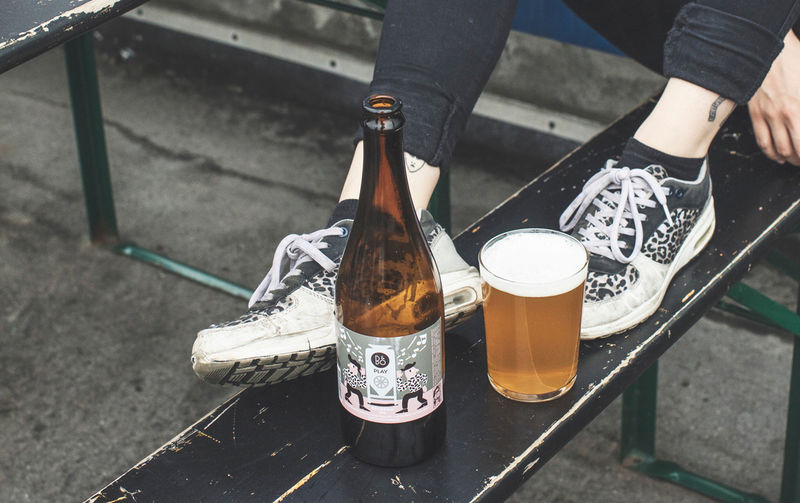
B&O Play is Using Curated Soundtracks and Speakers to Ferment Beer
Craft breweries can leverage the power of music to create unique and memorable beer experiences for consumers.
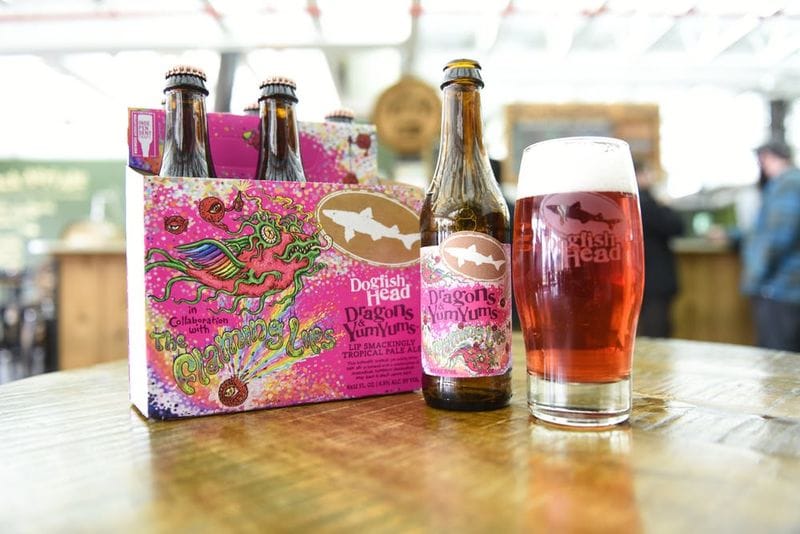
The Flaming Lips Teamed Up with Dogfish Head to Create a Pink Beer
Craft breweries can take inspiration from this collaboration between Dogfish Head and The Flaming Lips to create unique and memorable collaborations with bands and artists to offe…
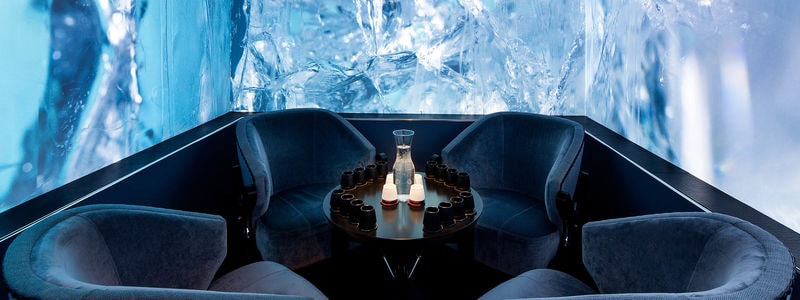
The Berkeley's 'Out of the Blue' Features Scent, Sound and Visuals
Incorporating multi-sensory elements into hotel experiences, such as cocktail tastings, to differentiate and attract discerning customers.
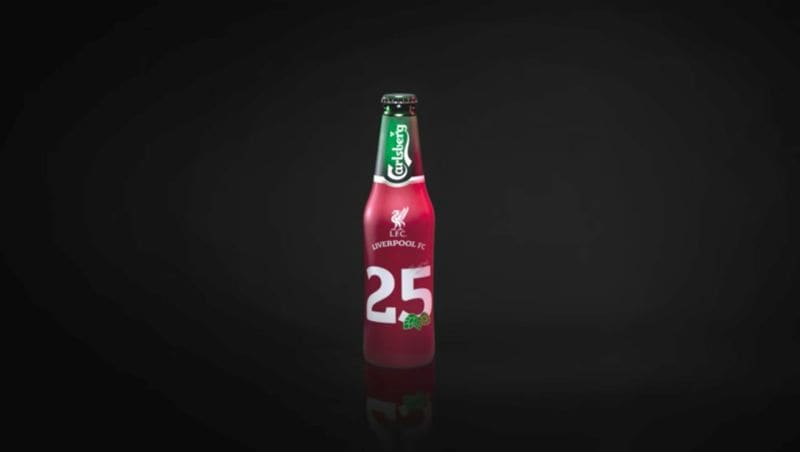
Carlsberg's Red Hops Project Exposed Hop Plants to Liverpool FC Games
Creating unique food and beverage items with sound experience.
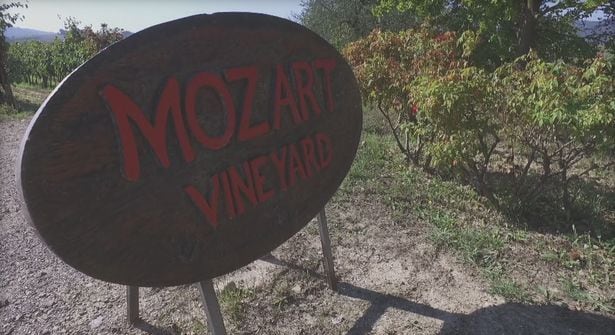
Mozart Vineyard Inserts Music into the Wine-Making Process
The application of music during the wine-making process presents an opportunity for differentiation and premium positioning.
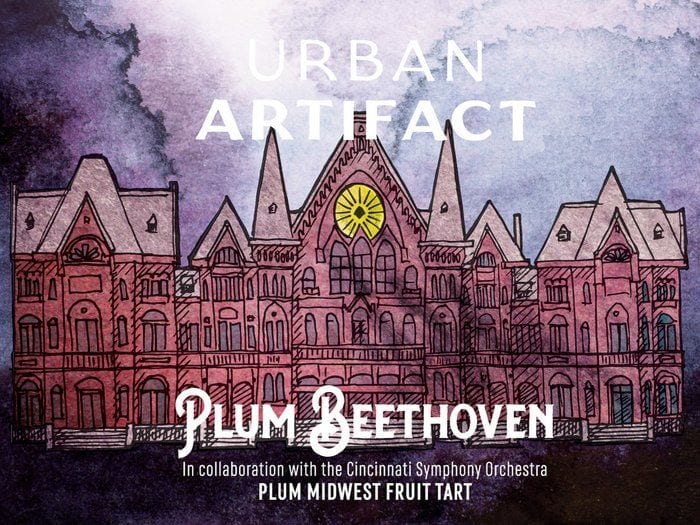
The Cincinnati Symphony Orchestra Created the 'Plum Beethoven' Beer
The rise of collaborative beer products presents opportunities for breweries to expand their market reach and tap into new consumer segments.






