



Category
Tech
Delegated Interfaces
Consumers seek self-betterment through AI-adapted instruments.




Trend
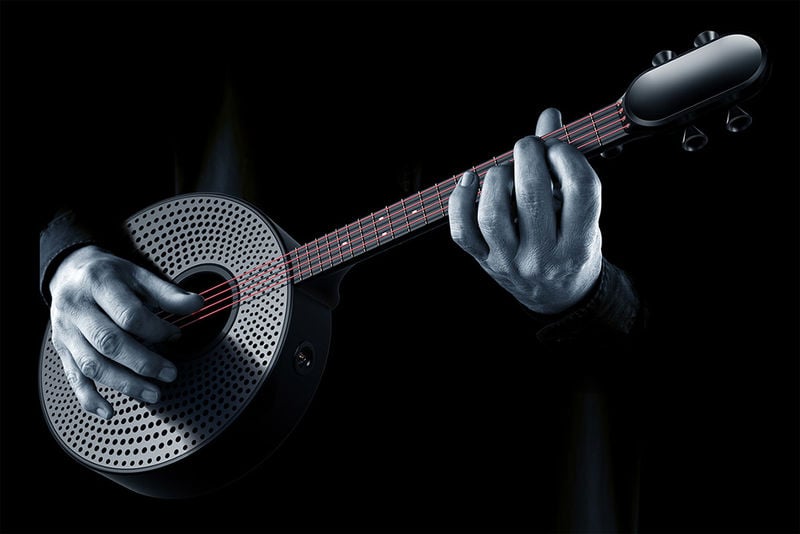
Artificial Instrument: The contemporary consumer is constantly searching for means of self-improvement, but, inculcated by the speed and efficiency surrounding their interactions with modern brands and products, self-improvement via learning a traditional musical instrument seems excessively inefficient. Instruments that incorporate AI into their interfaces ease and expedite instruction, engendering the convenience to which consumers are accustomed. Brands that harness AI in similar ways stand a better chance of keeping consumers' attentions through unavoidably lengthy processes.
Trend themes
Brands that incorporate AI into instruments and interfaces will ease the learning curve for consumers, increasing convenience and keeping their attention.
Integrating interactive designs into education devices such as music instruments will speed up the learning process while making it fun and rewarding.
Creating more portable learning aids such as light strips and tactile digital instruments will allow consumers to practice and learn on-the-go without limitations.
Industry implications
Companies that manufacture smart instruments and incorporate AI interfaces will dominate the market and meet increased consumer demand.
Music education services that integrate interactive devices will provide more engaging, effective and profitable learning solutions.
Companies that develop portable and innovative consumer electronics will appeal to consumers seeking convenient and efficient self-betterment experiences.
Workshop question
Trend signals
Trend score 3.6 out of 10, from popularity 52%, activity 48%, freshness 8%.
Evidence
The 'Yuan Man' Ukulele Uses Integrated Lights to Teach You to Play
The 'Yuan Man' Ukulele presents disruptive innovation opportunities in the music education industry by offering a more engaging and interactive learning experience.
The 'NOMAD' is an App-Enabled Instrument That Can Be Played Anywhere
Companies in the music technology industry can leverage disruptive innovations to create portable and immersive music devices.
The One Piano Strip Offers Portable Piano Learning Help
The integration of LED light strips and companion smartphone apps onto traditional musical instruments is disruptive innovation opportunity in the musical instruments industry.
The 'RainPlay' Enables Players to Master the Piano
EdTech businesses can leverage the use of digital piano teaching devices like 'RainPlay' to create more interactive and gamified approaches for music education.
The ONE Light Portable Electronic Keyboard Provides Guided Lessons
With its guided learning feature, the ONE Light Portable Electronic Keyboard offers disruptive innovation opportunities within the music education industry.
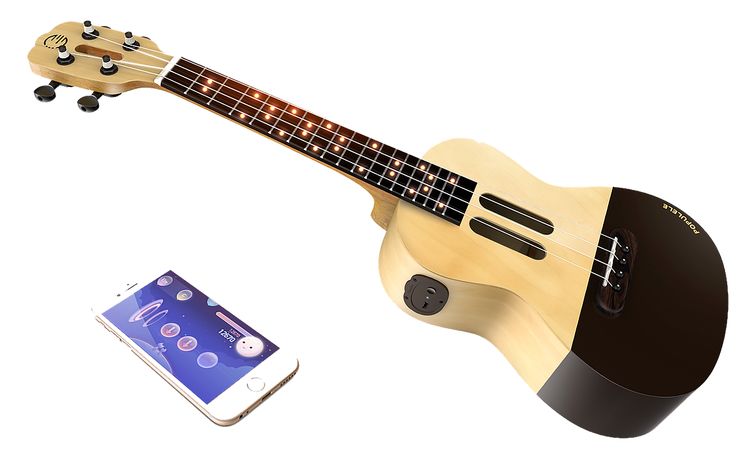
The Populele Smart Ukulele's App and LEDs Trim the Learning Curve
The success of the Populele smart ukulele suggests that music instrument manufacturers should explore the development of smart instruments and complementary smartphone apps to cat…






