

Category
Lifestyle
Baseline Support
Brands are offering tools that help consumers DIY in-vogue foods at home.

What's Happening
DIY Food Fad: Brands are allowing consumers to DIY fad foods that are popular in the QSR industry by offering them various tools or curated ingredients to make them at home. These in-vogue food items have been observed dominating cafes and social media for some time, and making them more accessible for consumers offers an added layer of customization to the process. This emerging shift works to converge the benefits of social sharing, maker culture and customization to elevate consumer experience and engagement.
Evidence
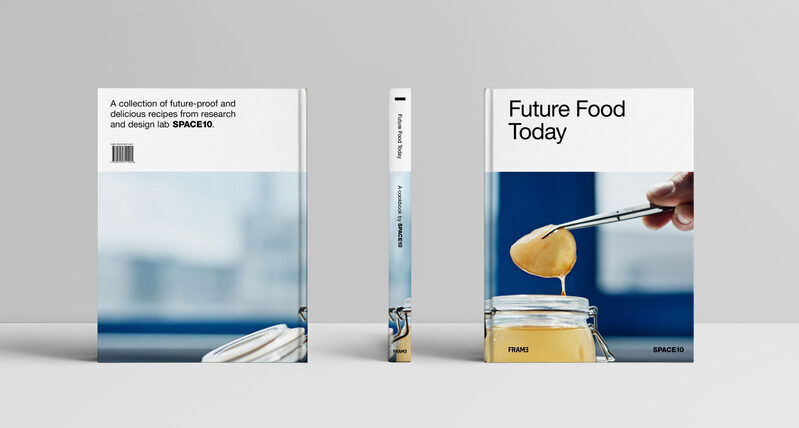
IKEA's Space10 Launches a Publication That Boasts Recipes for Future Food
Explore disruptive opportunities in developing and marketing products using innovative ingredients like insects and algae.
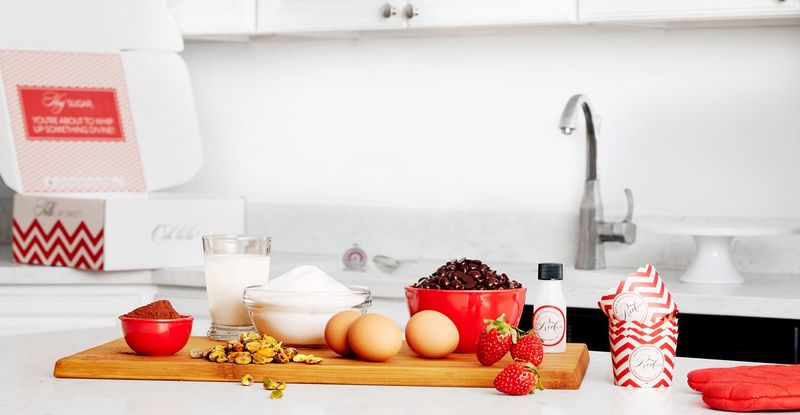
Red Velvet NYC Makes It Easy to Whip Up Gourmet Indulgences at Home
Red Velvet NYC's dessert kit delivery service is one example of how food delivery is expanding to include DIY options.
The 'Puffle Waffle Maker' Can Be Used to Create Curvaceous Food
Manufacturing companies can develop new appliance styles that cater to professional and home cooking needs.
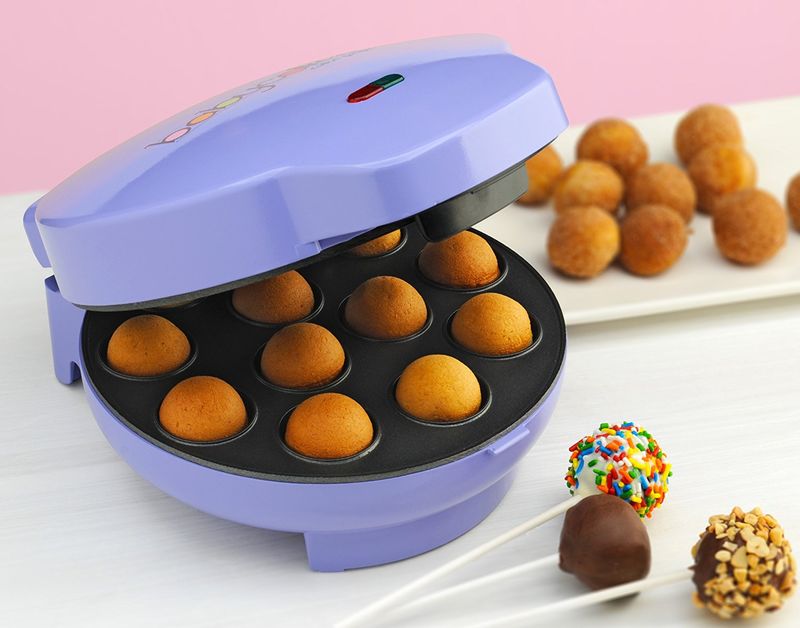
Baby Cakes' Cake Pop Maker is Portable and Easy to Use
Disruptive innovation opportunity: Develop innovative kitchen appliances that enable quick and efficient baking, catering to the growing trend of home cooking and baking.
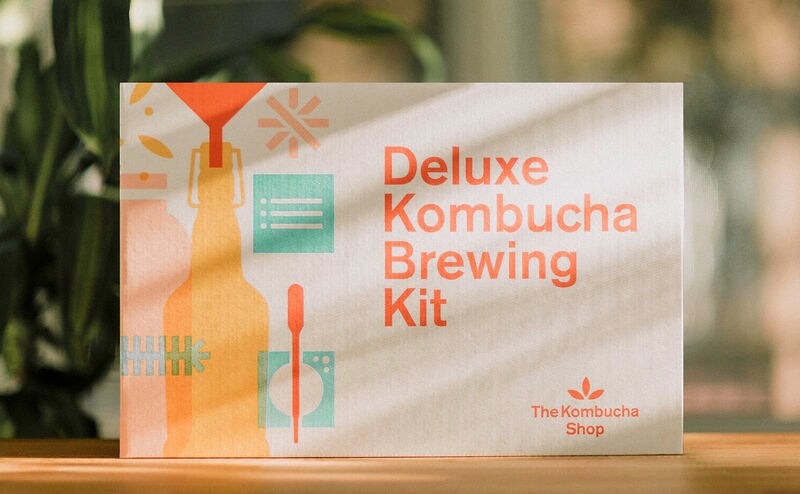
This Kombucha Kit Allows Consumer to Make the Fermented Beverage at Home
DIY kombucha kits create a new opportunity for food retailers to tap into the growing market for at-home fermentation and healthy beverages, with potential for private label offer…
Workshop question
How can your brand leverage popular fads in its industry by not just using them, but by enhancing consumer engagement with them?
Trend signals
Trend score 4.9 out of 10, from popularity 69%, activity 70%, freshness 8%.
Trend themes
Offering easy-to-use equipment and curated ingredients for DIY fad foods at home is a growing trend.
The popularity of at-home kits for sweet treats and kombucha is growing at an accelerated rate.
Exploring the role of alternative ingredients like insects, microgreens, and algae is a growing trend in futuristic cookbooks.
Industry implications
Kitchen appliances that offer greater convenience and customization for trendy cuisine can meet consumer demand.
Innovative startups and established brands are capitalizing on the growing trend of at-home cooking and DIY food culture.
Exploring alternative ingredients and delivery methods can lead to eco-conscious innovation in the food industry.