Social Good Consumer Insights

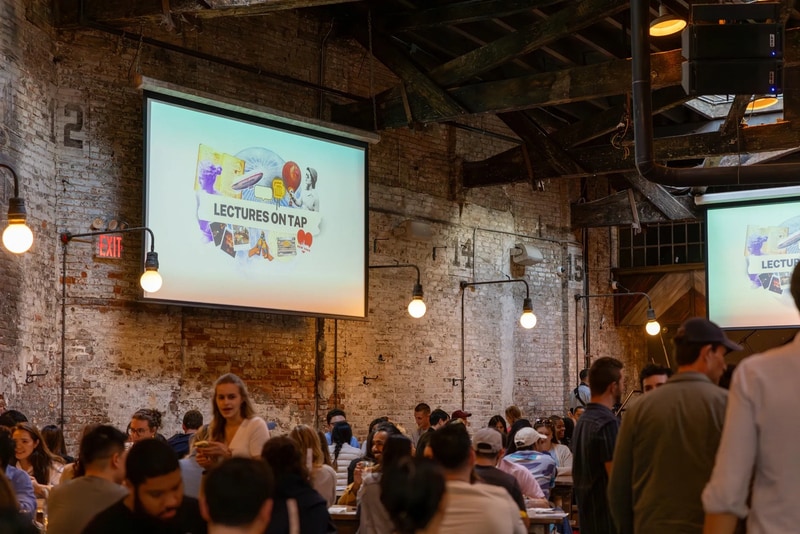
Afterhours Academia
Academic expertise is moving into social spaces for public engagement
Trend - Experts, academics, and professionals are increasingly sharing knowledge in informal social venues, such as pubs, cafés, and community spaces. These after-hours events make specialized expertise more accessible for direct public engagement and participation in learning beyond traditional settings.

Insight - As consumers increasingly seek experiences that blend intellectual enrichment with social connection, traditional educational formats can feel overly formal, exclusive, or detached from daily life. In response, learning is being reimagined as a participatory and community-oriented experience, where knowledge is exchanged through conversation rather than instruction—making expertise feel more approachable and relevant; reflecting a shift toward relationship-driven forms of engagement.
Workshop Question - How can your brand create engaging opportunities for learning and meaningful connection?
6
Score
Popularity
Activity
Freshness
Patterns
Megatrends
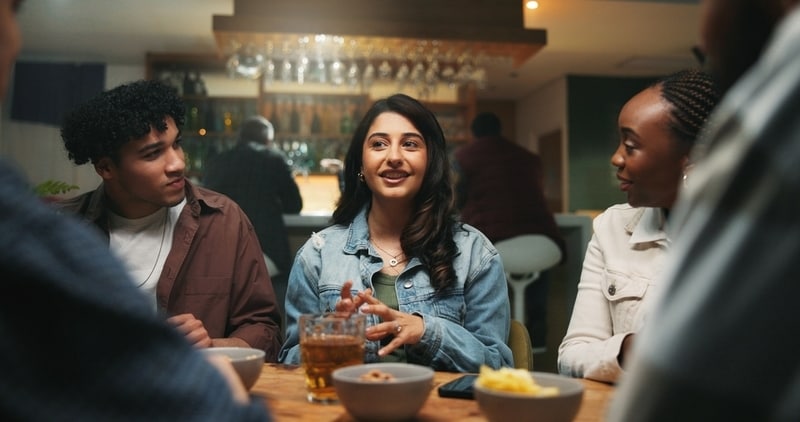
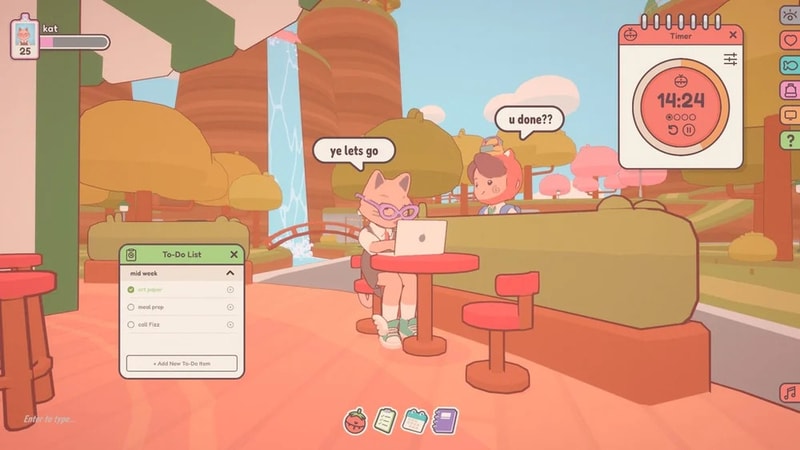
Body Doubling
Consumers increasingly rely on collaborative apps and games to boost productivity
Trend - Developers are using apps and media to recreate the social conditions of working alongside others—but without requiring shared tasks or conversation. By simulating the presence of others, these platforms embrace soft accountability, allowing consumers to anchor their attention and reduce distractions.

Insight - As awareness of mental health challenges becomes more widespread, consumers are seeking more nuanced, flexible forms of support that acknowledge the diverse factors impacting their focus and productivity. Accelerated by post-pandemic work habits, this approach reframes productivity as a shared, socially reinforced experience rather than a solitary task. Brands operating in this space can position themselves as supportive partners, helping individuals work and study more effectively on their own terms.
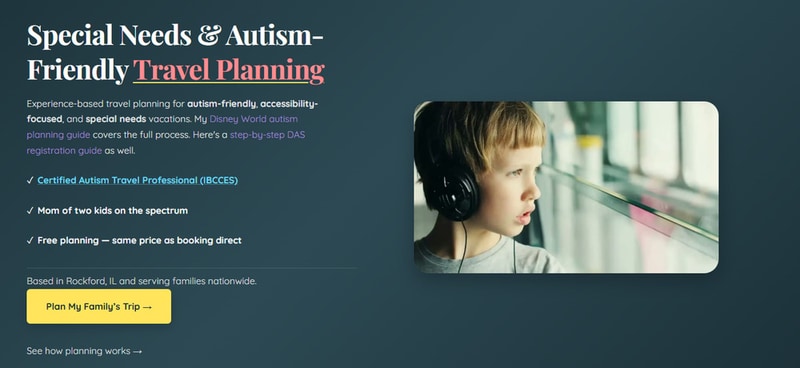
Workshop Question - How can your brand demonstrate a consideration for neurodivergence in the product development stage?
5.9
Score
Popularity
Activity
Freshness
Patterns
Megatrends
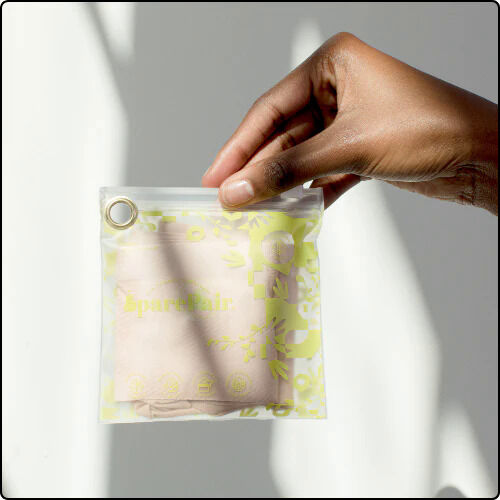
Plastic-Free Undergarment
Brands Offer Sustainable Plastic‑free Underwear for Sensitive Skin
Trend - Clothing brands are launching plastic‑free undergarments made from natural fibers like organic cotton, hemp, and lyocell. These products avoid petroleum‑based synthetics, microplastic‑shedding fabrics, and chemical‑treated elastics, offering biodegradable, low‑impact options for everyday wear.

Insight - Consumers increasingly feel uneasy about synthetic underwear that traps heat, sheds microplastics, irritates sensitive skin, or exposes them to unwanted chemicals. Many experience discomfort, rashes, or reactions from polyester and nylon blends. At the same time, shoppers want to reduce their environmental footprint and avoid contributing to landfill waste or microplastic pollution. These pressures push brands toward plastic?free designs that feel breathable, gentle, and sustainable.
Workshop Question - How can we innovate our product line to prioritize natural materials and sustainability while addressing consumer concerns about comfort, environmental impact, and skin sensitivity?
4.1
Score
Popularity
Activity
Freshness
Patterns
Megatrends
Lyocell Fabric
Clothing manufacturers are turning to lyocell fibre to reduce eco footprints
Trend - Clothing brands are increasingly integrating lyocell fibres into their collections as a sustainable alternative to traditional textiles. Derived from wood pulp processed in a closed-loop system, lyocell offers a low-impact production process that uses less water and fewer chemicals.

Insight - The eco-conscious consumers of today expect more than just style—they demand sustainable practices and improved transparency in the products they purchase. With growing awareness of resource depletion, waste, and environmental degradation spurred by fast fashion, the pressure on clothing brands to adopt greener materials is mounting. In turn, clothing brands are meeting these evolving expectations by providing a biodegradable, renewable lyocell fibre that minimizes water consumption and waste.
Workshop Question - How can your brand leverage sustainable materials to address growing eco-conscious consumer expectations while maintaining product quality and transparency?
4.4
Score
Popularity
Activity
Freshness
Patterns
Megatrends
Branded Third Space
Brands launch third spaces that allow neighbors to connect with each other
Trend - Brands are creating "third places," a concept championed by sociologist Ray Oldenburg, to offer social spaces distinct from home and work. These welcoming environments foster regular connections among people through shared interests or activities, responding to the consumer's quest for community and spontaneity.

Insight - The remote work boom and social shifts are fueling a consumer desire for "third places" – hubs beyond work and home for connection. Craving escape from car-dependent suburbs and planned social activities, consumers seek spaces for spontaneous interaction and emotional support. Brands that successfully tap into this trend do so by crafting casual, community-focused havens. These spaces cultivate a sense of belonging and unity, drawing people together over shared experiences and interests, thereby winning the hearts and loyalty of consumers.
Workshop Question - How can your brand create a third space that fosters community connections and provides a sense of belonging for consumers in today's increasingly isolated society?
7.4
Score
Popularity
Activity
Freshness
Patterns
Megatrends
Geek Pride
The collective nerd ego grows as their skills are coveted by the masses
Implications - Being dubbed a geek or nerd used to be one of the biggest social criticisms one could get, but not so anymore. As technology-based innovations become the norm for everyday communications, people who possess these skills are now looked up to, and these “geeks” are proud of their savvy.
4.9
Score
Popularity
Activity
Freshness
Patterns
Megatrends
Modern Religion
Even Catholicism is getting a modern twist
Implications - Younger generations are approaching religion in a very different way, and some churches are trying to adapt. The Pope even tried to appeal to more environmentally-conscious demographics by adding new sins which pertain to the maltreatment of our planet.
4.9
Score
Popularity
Activity
Freshness
Patterns
Megatrends
Earthvertising
Advertisements and campaigns that raise awareness for global warming
Implications - After Al Gore’s Inconvenient Truth made its global impression, campaigns against global warming became hot forms of advertising. Not everyone was eco-interested then, but 2008’s surge in gas prices peaked interests in new demographics seeking to prevent global warming-related disasters.
3.8
Score
Popularity
Activity
Freshness
Patterns
Megatrends
Blackouts in Unision
Earth Hour 2008 was the largest voluntary electric power-down in history
Implications - On March 29, 2008, over 50 million people voluntarily shut off their lights for 60 minutes. The WWF Earth Hour initiative had participants in 370 cities in 25 countries turn off all electronics as a collaborative visual statement to express the care people share for the planet.
3
Score
Popularity
Activity
Freshness
Patterns
Megatrends
Quakespiration
China's May earthquake affected the people, as was reflected in various art
Implications - Generally disastrous phenomena like earthquakes are considered tragedies, but China’s earthquake managed to arouse compassion and creativity, as seen in the art forms below. With the use of the internet, natural disasters are helping to bring people together from around the world.
3.5
Score
Popularity
Activity
Freshness
Patterns
Megatrends