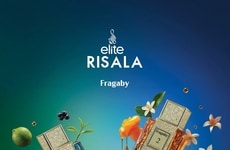
Trend - Fragrance brands are treating perfume like collectibles, with small-batch or limited drops centered on a specific mood, season or use case. In a crowded market where new scents drop daily, some perfume makers are exercising restraint to create exclusivity and a shorter-cycle release format that encourages faster discovery and purchase.
Trigger - Consumers overwhelmed with choice want to make intentional additions to their scent collections, and scarcity bakes in consideration and desire. Timely, finite releases that feel edited and specific to a moment or preference redefine novelty in a market where new products rapidly give way to what’s next, offering a sense of specialness that endless availability can’t replicate. For brands, this means giving each launch a clear reason to exist, tied to a recognizable occasion, profile or attribute that makes it a personally meaningful must-have.



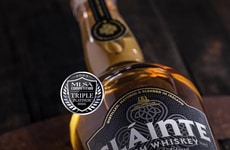
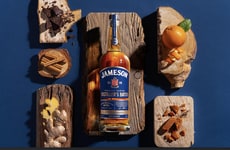
Trend - Distillers are packaging releases around a specific narrative lens—such as farm origin, regional heritage, or cross-category inspiration—which enhances the identity and collectibility of the spirit. Wood finishing and maturation choices are presented as storytelling devices, while exclusive cross-category partnerships with organizations and artists enhance product aesthetics.
Trigger - Consumers are increasingly gravitating toward alcoholic spirits that either reflect their personal interests and affiliations or can clearly communicate what makes them different in the crowded premium drinks market. Many are responding to strong branding themes and storytelling-led marketing in this niche, as spirits with established links to regional identity, historic legacy, agricultural tradition, or cultural passions can feel more expressive, more valuable, and have greater social entertainment value than generic luxury offerings.




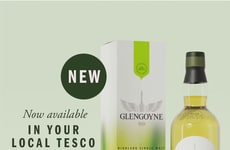
Trend - Whiskey brands are making a traditionally complex category more approachable with a portfolio of access points that speak to different audiences. Rather than relying on premium positioning, new launches lower the barrier to entry with accessible price points, celebrity involvement or retailer-owned labels, welcoming newcomers and encouraging exploration beyond as their palates mature.
Trigger - For occasional buyers, whiskey can be intimidating, with too many unfamiliar terms and no clear way to judge quality before committing to a bottle. Familiar intermediaries like celebrities and retailers are stepping in as trusted filters, lending credibility to purchasing decisions that consumers don’t yet have the expertise to make alone. With a household name or a private label signaling taste and craftsmanship, consumers don’t have to evaluate whiskey on the category’s terms, they only need to transfer trust they have elsewhere.

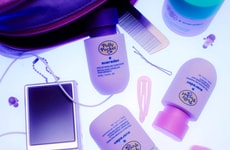
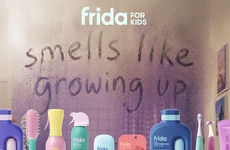
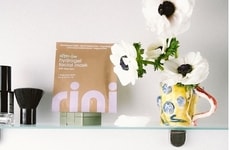
Trend - Personal care companies are creating targeted facial and body care assortments for Gen Alpha, providing an age-appropriate product category between babies and adults. Beyond basic hygiene, gentle junior skincare formulas extend into moisturization and sun care with fun, easy rituals that reframe daily upkeep.
Trigger - Children are encountering self-care culture earlier, with exposure to skincare routines and beauty content through older siblings and social media well before their tween years. Parents are actively looking to nurture this curiosity into a healthy interest with purpose-built products that safely mimic grown-up routines and fill the gap between sensitive baby essentials and full-strength adult personal care. Companies can safely indulge kids' aspirational fascination with grown-up beauty, while putting parents at ease knowing it’s building habits and independence without premature pressure.

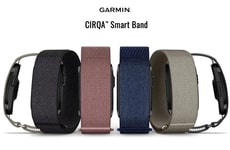
Trend - Fitness wearables are moving beyond full-featured smartwatches into slimmer, screen-light or screen-free formats that are designed to blend more easily into daily life and sleep. Wearable makers are increasingly framing these products as discreet, comfort-led alternatives to wrist-based tech, with form factors intended to feel less distracting and more wearable over long periods.
Trigger - Subtler tech solutions speak to an increasing digital fatigue in the face of endless data and a need for quieter user experiences, driven by ample metrics below the surface but rendered as short, powerful insights only when action is needed. A less-is-more approach targets a broader shift towards simplicity and balance in the modern consumer lifestyle that prioritizes logging off without completely opting out. Filtered tech complexity comes in contrast to the gamification of health and wellness to support a more meaningful, longer-term connection rather than one that requires constant attention.




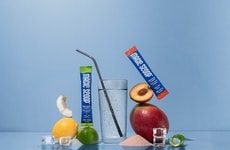
Trend - Brands are presenting single-benefit or tightly focused formulations as building blocks for personalized health regimens. Replacing all-in-one specialty powder solutions, these formulas appear in convenience-focused everyday formats like gummies and drink sticks, which broadens their appeal beyond core fitness users.
Trigger - Many consumers want more control over what they incorporate into their health routines and why, especially as wellness advice becomes more fragmented and confusing. A simpler, more component-like product that slots into different moments of the day and supports self-directed health goals can feel easier to understand than a complex formula promising everything at once. As people build their own regimens, they seek manageability through products that are easy to decode, easy to pair, and explicit about their role within a broader regimen.


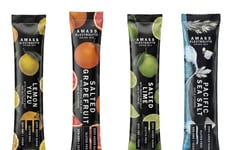
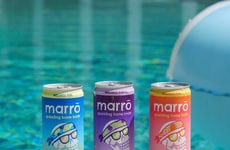
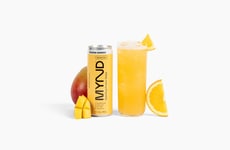
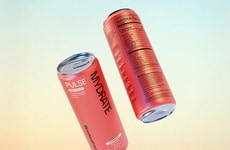
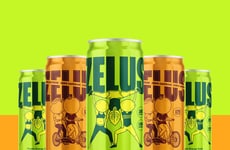
Trend - Beverage positioning is shifting from broad better-for-you language toward clearer use cases such as afternoon focus, post-workout recovery, on-the-go nourishment, or social drinking without alcohol. Brands are treating the drinks aisle more like a set of occasion-based solutions than a set of fixed beverage types.
Trigger - Consumers are increasingly choosing what to drink by the effect they want in the moment, whether that is energy, hydration, recovery, or a social alternative to alcohol. As more products make functional promises, the main consumer question becomes whether the benefit feels believable and relevant to the occasion. Brands have a stronger offer when they pair clear benefit framing with ingredient logic and a recognizable ritual or context. This shift is reshaping the drink aisle from traditional categories to moments or outcome preferences.

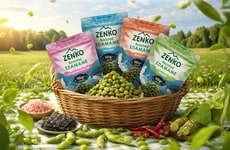
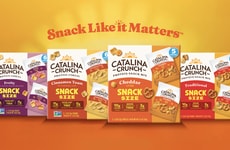
Trend - CPG brands are formulating savory snacks with meal-like attributes, positioning them as sustaining mini-meals. Rather than providing short-term satisfaction between eating occasions, snack meals deliver balanced macros and heartier satiety, rivaling the nutritional weight and qualities once reserved for sit-down breakfasts, lunches, or dinners.
Trigger - As consumers seek convenient sources of fuel and satiety that fit their lifestyles beyond three square meals a day, they want more substantiality than a typical snack, without the hassle of planning or carrying a full meal. At the same time, they’re wary of the sweetness, heaviness, and overtly gym-coded cues associated with legacy protein products, seeking legitimate fuel, a sense of fullness and real-food satisfaction without the feel of consuming a supplement, or downsides like chalkiness or digestive harshness.
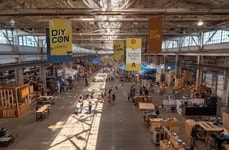
Trend - The brick-and-mortar retail environment is being redesigned around hands-on participation add-ons rather than solely display-led browsing. Stores are organizing workshops, DIY stations, community events, and other types of activations that align with their branding, industry, and product offerings. This shift gives shoppers a reason to physically show up in stores, beyond their need for a purchase.
Trigger - Designing for contribution, practice, and repeat attendance may matter as much as designing for conversion. Since consumers can already buy routine items quickly and conveniently online, the store visit needs to feel worth the time and effort. Many retail environments are addressing this need by shifting toward hands-on engagements that are entertaining, educational, and create a sense of community for visitors. This also feeds into a growing desire for offline interaction that still feels culturally current.