Co-creation

Consumers are more interested in a lifestyle than they are in material goods; the alignment of various brands and services to others -- or even to the consumer, inviting collaboration -- into one will satisfy this.
Related Megatrends:
Multisensation
Tech, AR, VR and interactive experiences are raising our expectations in the realms of entertainment, retail and even food.
Hybridization
Lines are blurring as business models, products and services merge to create unique concepts and experiences
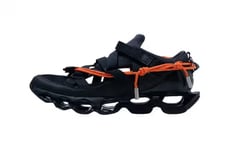
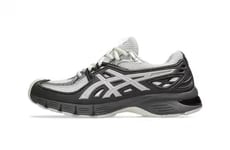
Utility Sneakers
Everyday footwear borrows visible cues from technical running models

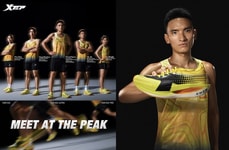
Trend - Footwear labels are incorporating performance-coded details such as straps, woven uppers and layered builds into styles positioned for daily wear. Technical running elements are merging with streetwear aesthetics, expanding beyond the gym into broader lifestyle assortments. Athletic-inspired design, once valued purely for function, is equally prized for how it looks and feels in everyday life.


Trigger - Consumers want the credibility and craftsmanship associated with performance products, but expect it in silhouettes that fit daily life rather than a niche or specialized use. Technical details that enhance everyday footwear signal that it’s well-made and intentional, and a performance occasion isn’t required to justify wearing it. What utilitarian details represent matter more than whether the shoe ever sees a run or a workout, since the associated expertise alone carries appeal through design language.

Workshop Question - How could your brand turn specialist design cues into products that feel useful in everyday life?
8.2
Score
Popularity
Activity
Freshness
Patterns
Megatrends
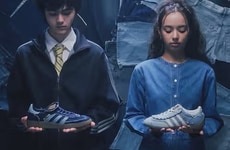
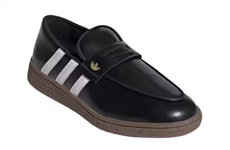
Sneaker Fusion
Footwear brands are enhancing athletic designs with fashion, heritage & convenience

Trend - Brands are blurring long-standing footwear boundaries by mixing running, basketball, football, and dress-adjacent design codes into pairs intended for daily wear. Timeless and heritage-linked sneaker models are being approached as safe entry points for experimentation, with performance-rooted silhouettes restyled with elevated materials like suede, layered leather, satin-like finishes, denim, and floral or graphic treatments.


Trigger - When making fashion purchasing decisions, consumers are strongly swayed by design cues tied to timelessness, versatility, and novelty. In footwear, this translates to shoes that are not only comfortable and easy to style, but also designs that play with the tension between familiarity and novelty. Because sneakers have become a visible tool for expressing taste, affiliation, and personal identity, consumers are responding to fresh materials, shapes, and cultural cues that combine technical credibility with stronger visual storytelling.

Workshop Question - How could your brand use familiar product foundations to introduce bolder design or cultural cues without making the result feel confusing or niche?
8.5
Score
Popularity
Activity
Freshness
Patterns
Megatrends
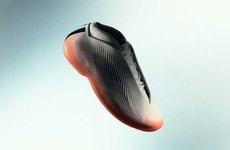
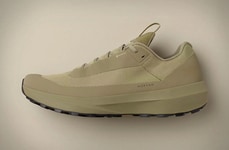
Terrain Specialization
Performance footwear is being adapted to specific weather & road conditions

Trend - Performance footwear is being differentiated by environment as much as by sport. In this niche, brands are releasing purpose-built footwear models framed around highly specific use cases, including ultra-distance trail efforts, remote off-grid runs, wet conditions, and road racing. This approach helps consumers choose by route, climate, and training goal rather than by broad lifestyle cues.


Trigger - Consumer understanding of training regimens has evolved because of increased access to elite sports technology and personalized expert advice. This knowledge is leading many to pay closer attention to details and to a desire for more targeted performance equipment that can support them in different training environments. For example, consumers are no longer approaching cardio as one uniform activity, but as an important part of a comprehensive training regimen that moves between road, trail, endurance training, and event-specific goals.

Workshop Question - How could your brand adapt its product development model to serve narrower, high-intent needs without overcomplicating the assortment?
7.9
Score
Popularity
Activity
Freshness
Patterns
Megatrends
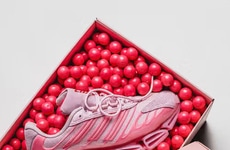
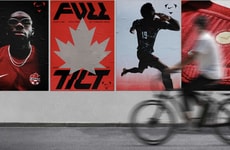
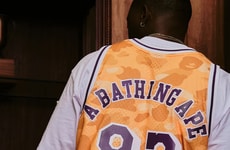
Partnership Capsules
Brands launch limited partnered drops to turn shared aesthetics into products

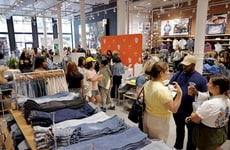
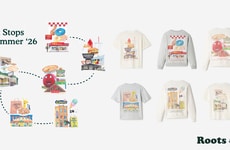
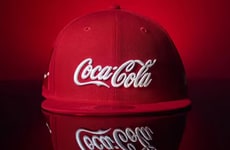
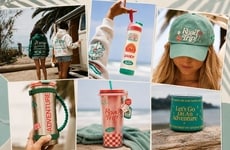
Trend - Retail brands are working with partners in food & beverage, hospitality, entertainment, and place-based experiences to create highly curated apparel assortments. Some launches extend beyond product to themed pop-ups and immersive shopping moments. The shared model reframes merchandise as a cross-industry branding tool, where non-fashion businesses can deepen identity while retailers borrow built-in communities and cultural relevance from collaborators.


Trigger - Consumers increasingly treat brands as part of a broader lifestyle narrative rather than as isolated product categories. This shifts the focus away from marketing gimmicks toward branded experiences that feel like natural extensions of one's identity. With the abundance of standard product drops that often blur together, retailers are turning to crossover pop-ups and themed environments that take inspiration from a place, cultural moment, or experience. This amplifies the cultural weight of the collection while fostering a sense of belonging for shoppers.
Workshop Question - How could your brand turn a partner relationship into a product drop that expresses a shared culture or setting?
8
Score
Popularity
Activity
Freshness
Patterns
Megatrends
K-Pop Meals
K-Pop bands partner with food brands on unique branded meals for fans
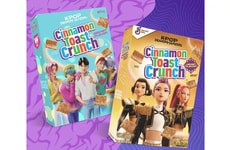
Trend - K-Pop bands are collaborating with QSR brands and restaurants to launch co-branded food products. These collaborations are designed to simultaneously introduce new food brands to fans of the band, and vice versa. The K-pop bands often accompany these collabs with marketing campaigns or jingles.

Insight - Fans increasingly want ways to feel closer to the artists they love, and food offers an everyday, accessible touchpoint. Traditional merch can feel expensive or niche, while digital content is fleeting. To address these desires, brands launch meals and snacks to offer a tangible experience that fits naturally into daily routines. The combination of themed flavors, collectible packaging and social?friendly presentation helps consumers feel connected, delighted and part of a broad cultural moment.
Workshop Question - How might we collaborate with influential cultural figures or groups to create unique co-branded experiences that integrate into consumers' daily lives and foster a sense of connection?
8.7
Score
Popularity
Activity
Freshness
Patterns
Megatrends
Self-Hosted NAS
Brands Launch Hardware Designed to Host Personal Secure NAS Servers
Trend - Tech brands are rolling out dedicated hardware designed to make self‑hosted NAS setups easier for everyday consumers. Companies are simplifying installation, bundling user‑friendly software and offering modular storage options that replicate cloud‑like convenience without recurring fees.

Insight - Consumers increasingly feel frustrated by rising cloud?storage subscriptions and uneasy about storing sensitive files on external servers. Many want reliable backups and seamless multi?device access but prefer solutions they fully own and control. Self?hosted NAS hardware addresses these tensions by offering private, customizable storage with intuitive tools that make personal servers feel accessible—helping users feel more secure, self?reliant and confident in their digital autonomy.
Workshop Question - How might we enable consumers to achieve greater digital autonomy and ownership over their data through innovative and user-friendly solutions?
6.1
Score
Popularity
Activity
Freshness
Patterns
Megatrends
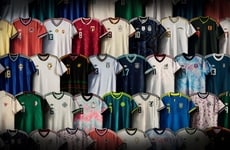
Rival Archive
Sports heritage is being reimagined through competitive performance capsules
Trend - Brands are releasing sport-driven heritage capsules as archival jerseys, retro kits, and legacy team aesthetics return to the forefront; reworking historic athletic designs into bold collections that merge sporting culture with modern styling.

Insight - Gen Z and Millennial consumers are increasingly drawn to identity-driven fashion rooted in nostalgia and cultural affiliation, fueling demand for sports heritage pieces that signal loyalty, rivalry, and legacy. As vintage aesthetics cycle back into relevance, consumers seek apparel that carries emotional weight and storytelling value. In response, brands are elevating archival sportswear—transforming classic uniforms and team iconography into contemporary, hype-driven releases.
Workshop Question - How could your brand leverage nostalgia and cultural storytelling to create more meaningful, modern consumer experiences?
7
Score
Popularity
Activity
Freshness
Patterns
Megatrends
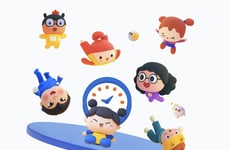
Body Doubling
Consumers increasingly rely on collaborative apps and games to boost productivity
Trend - Developers are using apps and media to recreate the social conditions of working alongside others—but without requiring shared tasks or conversation. By simulating the presence of others, these platforms embrace soft accountability, allowing consumers to anchor their attention and reduce distractions.

Insight - As awareness of mental health challenges becomes more widespread, consumers are seeking more nuanced, flexible forms of support that acknowledge the diverse factors impacting their focus and productivity. Accelerated by post-pandemic work habits, this approach reframes productivity as a shared, socially reinforced experience rather than a solitary task. Brands operating in this space can position themselves as supportive partners, helping individuals work and study more effectively on their own terms.
Workshop Question - How can your brand demonstrate a consideration for neurodivergence in the product development stage?
5.5
Score
Popularity
Activity
Freshness
Patterns
Megatrends
Actionable Agent
AI systems that execute tasks end‑to‑end gain popularity with consumers
Trend - Tech brands are releasing agentic AI tools that perform real tasks such as booking services, managing workflows, filing forms, organizing data, or completing multi‑step digital actions. These tools focus on automation, reliability and hands‑off execution rather than conversational back‑and‑forth.

Insight - Consumers are growing tired of chatbots that only provide suggestions or partial answers; they want AI that actually does the work. People value saved time, reduced friction and confidence that tasks will be completed correctly in the background. Brands are shifting to agentic designs that let users delegate actions, not just ask questions. By automating multi?step tasks and integrating with apps and services, these tools feel more like digital workers than simple chat interfaces.
Workshop Question - How might we create AI solutions that autonomously execute multi-step tasks to enhance user experience and reduce friction?
6.6
Score
Popularity
Activity
Freshness
Patterns
Megatrends
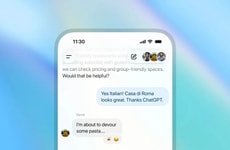
Chatbot Evolution
AI brands create chatbots with unique social and collaborative features
Trend - AI brands release chatbots supporting multi‑participant conversations, on‑device or local model options, specialist topic agents, threaded discussions and shared workspaces; features emphasize privacy controls, extensibility via plugins and integrations with collaboration suites to serve teams.

Insight - Users now expect assistants that fit social and workplace norms rather than lone conversational agents. People want private, synchronous group help for planning or learning, or the reassurance of local models when data sensitivity matters. Professionals prefer topic/tuned agents that speak domain language and integrate into existing workflows. This demand is driven by collaboration needs, privacy expectations, and need for tailored chatbot experiences.
Workshop Question - How can we innovate our AI solutions to enhance privacy, collaboration, and domain-specific interactions for users in social and workplace settings?
6.3
Score
Popularity
Activity
Freshness
Patterns
Megatrends