Eco Consumer Insights

LED Pest
Pest control brands launch smart light-based solutions to attract and eliminate pests
Trend - Brands are releasing UV‑LED pest‑control units that use tuned light spectra to lure insects into traps or kill‑zones, pairing long‑life LEDs with low‑heat designs, and indoor or outdoor formats; offering less-intrusive solutions for consistent pest control in both home and workplace settings.

Insight - Homeowners and facility managers want pest control that feels safer, cleaner and less intrusive than sprays or frequent service visits. Many dislike chemical odors, residue and the need for repeated treatments. As such, there is a clear pressure for less intrusive solutions. Brands lean into this demand by offering energy?efficient LEDs, quiet operation and discreet designs that fit modern interiors. UV?LED systems appeal because they promise passive, continuous protection with minimal effort.
Workshop Question - How might we develop innovative, less intrusive solutions that leverage our existing technology to meet consumer demands for safer, cleaner, and more efficient pest control?
7
Score
Popularity
Activity
Freshness
Patterns
Megatrends
Lyocell Fabric
Clothing manufacturers are turning to lyocell fibre to reduce eco footprints
Trend - Clothing brands are increasingly integrating lyocell fibres into their collections as a sustainable alternative to traditional textiles. Derived from wood pulp processed in a closed-loop system, lyocell offers a low-impact production process that uses less water and fewer chemicals.

Insight - The eco-conscious consumers of today expect more than just style—they demand sustainable practices and improved transparency in the products they purchase. With growing awareness of resource depletion, waste, and environmental degradation spurred by fast fashion, the pressure on clothing brands to adopt greener materials is mounting. In turn, clothing brands are meeting these evolving expectations by providing a biodegradable, renewable lyocell fibre that minimizes water consumption and waste.
Workshop Question - How can your brand leverage sustainable materials to address growing eco-conscious consumer expectations while maintaining product quality and transparency?
4.6
Score
Popularity
Activity
Freshness
Patterns
Megatrends
Green Loyalty
F&B brands encourage sustainable consumption with eco-friendly rewards systems
Trend - In response to global sustainability concerns, brands are designing new loyalty programs to encourage and reward shoppers for making environmentally friendly choices. These programs typically offer discounts on eco-friendly products, rewards points, or donations to environmental causes.

Insight - The demand for convenience in today’s food and beverage market has significantly impacted the environment, creating a harmful cycle where old products and packaging are discarded immediately after consumption. In response, brands are now offering incentives for eco-friendly purchasing decisions. By integrating sustainable rewards models, these brands help make it easier for customers to make greener choices, appealing to contemporary convenience culture while preserving the environment.
Workshop Question - How can your brand align its reward systems with environmental and social issues?
6.4
Score
Popularity
Activity
Freshness
Patterns
Megatrends
Waste Furnishing
Waste-made home furnishing options prioritize eco-friendly consumption
Trend - Home furnishing brands are looking to become more environmentally friendly with furniture pieces and collections that are made from repurposed waste products. Items include everything from furniture made from raw waste to furniture made from old product packaging.

Insight - Eco-conscious consumers tend to limit the single-use items they purchase, however many don't have the means or access to long-term investment pieces that are also environmentally friendly. For eco-conscious consumers who can afford such lifestyle changes, prioritizing environmental friendliness in both small and large purchases is increasingly important.
Workshop Question - How could your brand make eco-conscious purchasing more accessible?
6.1
Score
Popularity
Activity
Freshness
Patterns
Megatrends
Upcycled Bean
Eco-conscious brands are employing castor beans as ingredients in manufacturing
Trend - Companies are recognizing the potential of the castor bean as a functional material for manufacturing. Whether deployed as fabric or plastic, the plant is fast-growing, non-disruptive to the human food supply, and also water-saving.

Insight - Increasingly aware of the pitfalls of manufacturing and their own lifestyle carbon footprint, consumers are consistently looking for new alternatives that will allow them to be more eco-conscious and, therefore, be more comfortable when making purchasing decisions. This demand stems from an increase in the desire for education and awareness about the state of the planet, manufacturing, as well as the various plant-based and renewable solutions.
Workshop Question - What further measures can your brand take to make the manufacturing process more eco-conscious?
5.8
Score
Popularity
Activity
Freshness
Patterns
Megatrends
Plastic-Free Undergarment
Brands Offer Sustainable Plastic‑free Underwear for Sensitive Skin
Trend - Clothing brands are launching plastic‑free undergarments made from natural fibers like organic cotton, hemp, and lyocell. These products avoid petroleum‑based synthetics, microplastic‑shedding fabrics, and chemical‑treated elastics, offering biodegradable, low‑impact options for everyday wear.

Insight - Consumers increasingly feel uneasy about synthetic underwear that traps heat, sheds microplastics, irritates sensitive skin, or exposes them to unwanted chemicals. Many experience discomfort, rashes, or reactions from polyester and nylon blends. At the same time, shoppers want to reduce their environmental footprint and avoid contributing to landfill waste or microplastic pollution. These pressures push brands toward plastic?free designs that feel breathable, gentle, and sustainable.
Workshop Question - How can we innovate our product line to prioritize natural materials and sustainability while addressing consumer concerns about comfort, environmental impact, and skin sensitivity?
4.6
Score
Popularity
Activity
Freshness
Patterns
Megatrends
Metal-Free Cosmetic
Cosmetics brands are using metal-free pumps to avoid contamination
Trend - Cosmetics brands are releasing metal‑free pumps made from mono‑material plastics to prevent formula contact with metal parts. These pumps reduce contamination risks, extend product stability, and simplify recycling by removing mixed‑material components that normally hinder waste processing.

Insight - Consumers are increasingly frustrated by products that degrade early, oxidize, or change texture because of inefficient packaging. They also feel growing pressure to choose packaging that aligns with their sustainability values, wanting to be sure that packages can be recycled. These expectations push companies toward metal?free cosmetic solutions, such as pumps, that remove contamination worries, simplify recycling, and better match the clean, low?impact experience consumers now expect.
Workshop Question - How might we redesign our packaging to enhance product stability and sustainability in line with consumer expectations for reduced contamination and better recyclability?
5.8
Score
Popularity
Activity
Freshness
Patterns
Megatrends
Repurposed Tree
Used Christmas trees are recycled to provide enrichment to zoo animals
Trend - Zoos and wildlife centers are accepting real evergreen trees to give directly to animals or integrate into their habitats as enrichment items. Instead of being discarded, these trees become natural playthings, feeding puzzles, or sensory materials that stimulate animals’ instincts and behaviors.

Insight - In the weeks following the holidays, many consumers who purchased live Christmas trees face challenges in disposing of them responsibly without harming the environment or disrupting local ecosystems. In response, zoos and animal rehabilitation facilities are repurposing these trees for animal enrichment, thereby reducing reliance on plastic toys. Businesses that align with this can support animal conservation efforts while minimizing the environmental risks associated with improper disposal.
Workshop Question - How can your brand use a discarded item or material to benefit a natural ecosystem?
5.6
Score
Popularity
Activity
Freshness
Patterns
Megatrends
Repurposed Shell
Seafood and crustacean shells are being used to craft new materials and items
Trend - Researchers are developing ways to reuse seafood waste, especially crustacean shells, to craft sustainable materials with minimal environmental impact. From building materials to plastic alternatives, these products prevent these commonly disposed of products from polluting and rotting in landfills.

Insight - Mounting seafood waste and regulatory pressures have led many businesses to invest in solutions that help upcycle byproducts into high-value, biodegradable materials. In response, many are focusing on the extraction and refinement of chitin and chitosan, creating circular economy solutions that replace fossil-fuel-derived alternatives. Companies investing in these projects gain access to tools that help meet environmental regulations, improve ESG credentials, and appeal to eco-conscious buyers.
Workshop Question - How can your brand turn a common source of waste into something that benefits other areas of the business?
8.1
Score
Popularity
Activity
Freshness
Patterns
Megatrends
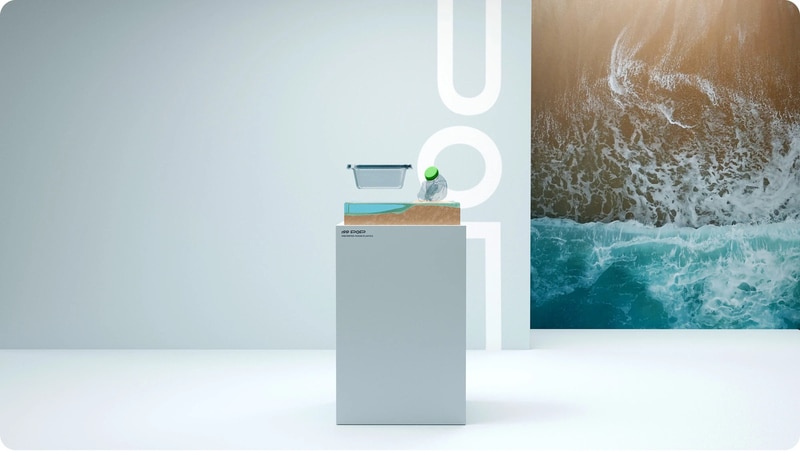
Waste Transformation
Waste specialists target excess medical waste in post-Covid world
Trend - Companies and social enterprises collect sorted, non‑hazardous and post‑sterilization medical waste and upcycle them into art installations, utility products, furniture and educational materials; offerings pair certified processing, with trackable material streams and social impact.

Insight - Hospitals face rising waste costs and sustainability mandates, creating demand for trusted partners who can divert predictable, non?hazardous clinical streams. Upcyclers that prove sterilization, chain?of?custody and repeatable product markets can convert liability into revenue and social value. Scalability hinges on standardized sourcing, regulatory clarity and buyer demand for verified, provenance?rich products.
Workshop Question - How can your brand leverage waste transformation to create value while ensuring compliance and sustainability?
4.8
Score
Popularity
Activity
Freshness
Patterns
Megatrends