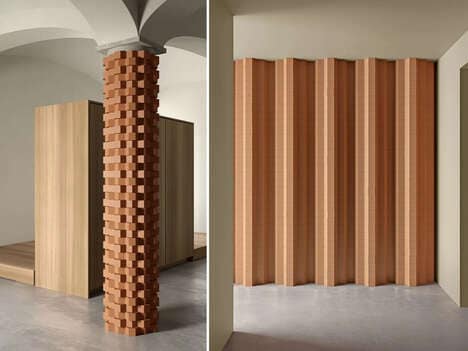
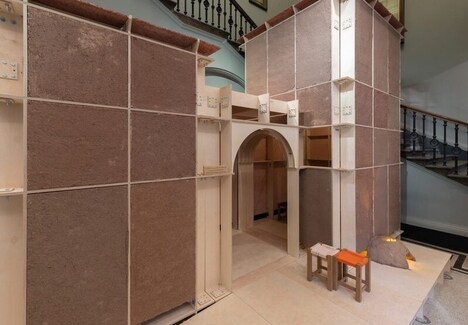
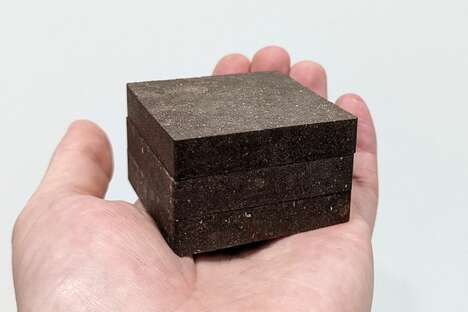
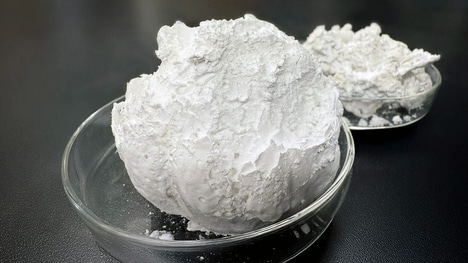
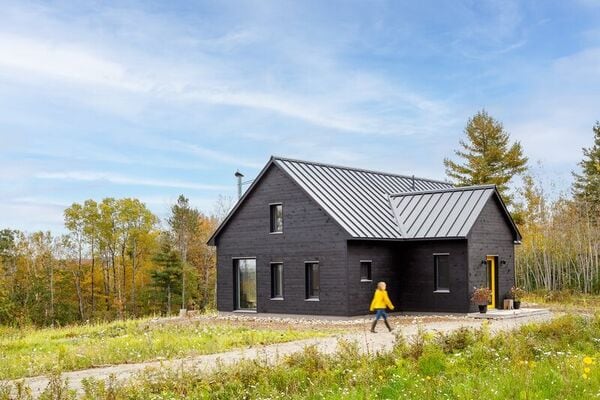
Researcher Tavs Jorgensen has created a new process that forms cob bricks with the goal of forming low-carbon biomaterial at a more accessible rate. It is used to create bricks that can be stacked on top of one another in an interlocking form. This process uses different samples of cob, which is a construction material that is made from earth and straw undergoing a 3D-printing mold known as dies. This sustainable project was a part of a research initiative at the University of West of England's Center for Print Research.
Jorgensen shares with Dezeen, "We were particularly keen to work with cob as there is very limited knowledge of extruding this material and were also driven by the opportunity to contribute with research to develop sustainable and low-carbon construction approaches, which are so badly needed. The fibres bind the cob composite together, so firing is not necessary. [...] Unfired cob bricks can also easily be returned to the raw state of the components – basically just earth and composable fibres – so complete material circularity can be achieved with no waste at all."
Image Credit: Tavs Jorgensen
Key Themes Behind This Trend
- 3d-printed Construction Materials
- Innovative 3D-printing molds for creating construction materials like cob bricks can revolutionize traditional building methods by enhancing customizability and reducing waste.
- Interlocking Sustainable Building Components
- The use of interlocking cob bricks facilitates easier and faster construction processes while promoting the use of eco-friendly materials.
- Circular Economy Construction Approaches
- Developing unfired cob bricks that can be returned to their raw state fosters complete material circularity and addresses the growing need for sustainable construction solutions.
Where This Applies
- Green Building Materials
- The innovation in low-carbon biomaterials, such as cob bricks, signals a shift towards environmentally-friendly construction options.
- 3D Printing Technology
- Advancements in 3D-printing molds for construction materials open up new opportunities for customization and efficiency in building projects.
- Sustainable Architecture
- The integration of circular economy principles in building materials underlines the commitment to reducing the carbon footprint in the architectural industry.