

Category
Fashion
Smile Cosmetics
Food tech companies bioengineer chocolate through cellular agriculture.


Trend
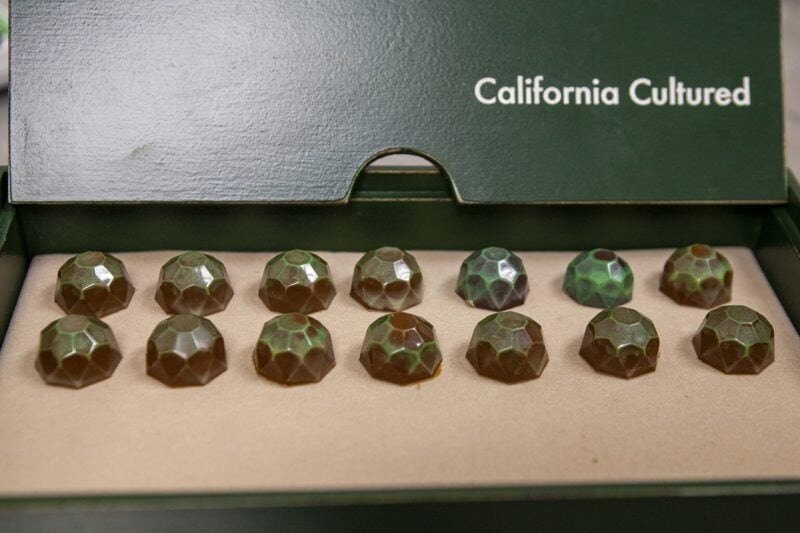
Cultured Cocoa: As climate change threatens traditional cacao farming and drives up chocolate prices, food science companies are developing lab-cultivated chocolate through cellular agriculture - replicating cocoa's exact molecular and genetic structure in controlled environments.
Insight
Rising environmental concerns have made consumers increasingly aware of how climate change threatens the future availability of everyday luxuries. This awareness has shifted consumer perception of bioengineered foods - particularly when the technology aims to preserve, rather than replace, beloved products. The promise of identical taste and texture through cellular agriculture represents a pivotal moment where consumers are beginning to view lab-grown alternatives not as synthetic substitutes, but as innovative solutions for preserving authentic experiences in a climate-challenged world.
Trend themes
The development of lab-cultivated chocolate using cellular agriculture solutions aims to replicate cocoa's exact molecular and genetic structure in controlled environments.
Consumers are increasingly accepting bioengineered foods, especially when the technology helps preserve traditional products like chocolate in the face of climate change.
There is a growing consumer demand for products made without ethical concerns such as deforestation and child labor, addressed through innovations in lab-grown food.
Industry implications
Advancements in food tech offer novel manufacturing processes like cellular agriculture, reducing dependency on traditional farming.
Innovations in sustainable farming practices create opportunities to produce food with minimal environmental impact.
The confectionery industry is exploring biotechnology to produce ethical and sustainable sweets, addressing consumer concerns over traditional production methods.
Workshop question
Trend signals
Trend score 5.3 out of 10, from popularity 70%, activity 56%, freshness 32%.
Evidence
California Cultured is Developing Next-Gen Ethical, Sustainable Chocolate
Food tech advancements are revolutionizing how foods like chocolate are produced, with a focus on sustainability and ethics.
Kokomodo Produces Cocoa and Chocolate Products with Cellular Agriculture
The food and beverage industry can leverage cell-based cocoa to develop environmentally friendly and ethically responsible chocolate products.
Celleste Bio Develops Cell-Cultured Cocoa for Supply Chain Innovation
The application of advanced technology to agriculture is enabling year-round, climate-resilient crop production through innovations like cell-cultured cocoa.
Fazer is Exploring More Ethical, Sustainable Means of Production
The development of new, biotechnological methods to produce raw food materials can play an important part in making the food industry more sustainable.