Category
Business
Category Mashups
Physical shops are being designed as short, worthwhile outings.
Trend
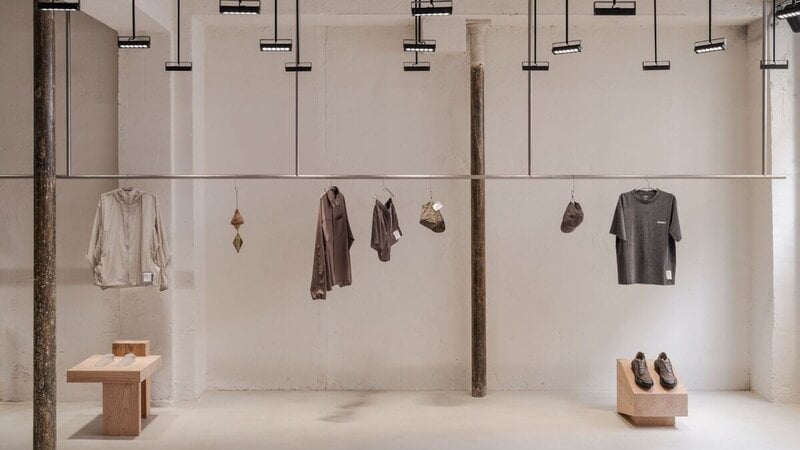
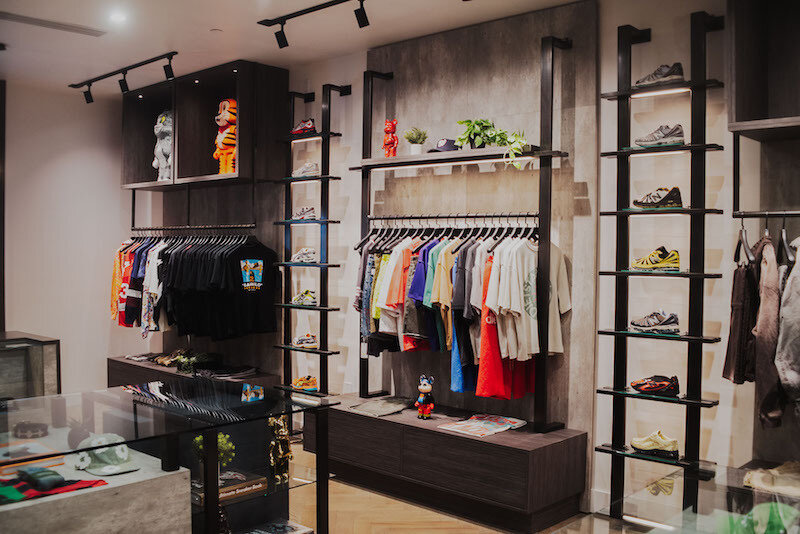
Errand Leisure: Flagship spaces are borrowing from hospitality and leisure as more category-led retail formats are organizing the store around guided trial and hands-on use rather than maximum stock density. This shift is especially visible in areas where fit, feel, or routine matter to the purchase decision—transforming a store into a destination that can capture discretionary time as well as demand.
Trigger
Routine replenishment is easy to do online, so many consumers need a stronger reason to make a physical retail trip. Additionally, convenience alone is no longer enough to justify travel, time, and attention. And despite this, consumers still want small mood-lifting breaks, but may be more selective about cost and effort. To address these concerns, a well-designed store visit can function as a compact outing that feels easier to justify than a larger entertainment spend. As such, brands that can deliver a credible mini-outing, not just a transaction, are better positioned to earn the trip.
Workshop question
Trajectory
Latest reading 8.5 for the week of Sep 28, 2026. Holding over the final 3 scored weeks (±0.0), ±0.0 from its peak of 8.5 in the week of Sep 21, 2026. Momentum 7.0/10, persistence 5.0/10, backed by 4 research findings.
Evidence
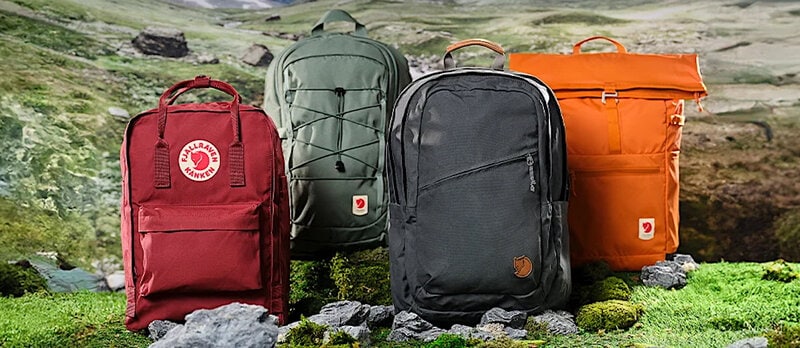
Fjällräven Opens Two New Fjällräven Brand Store in Boston
Technical clothing brands gain fresh growth potential from retail formats that expose shoppers to full apparel ranges beyond iconic entry-point products.
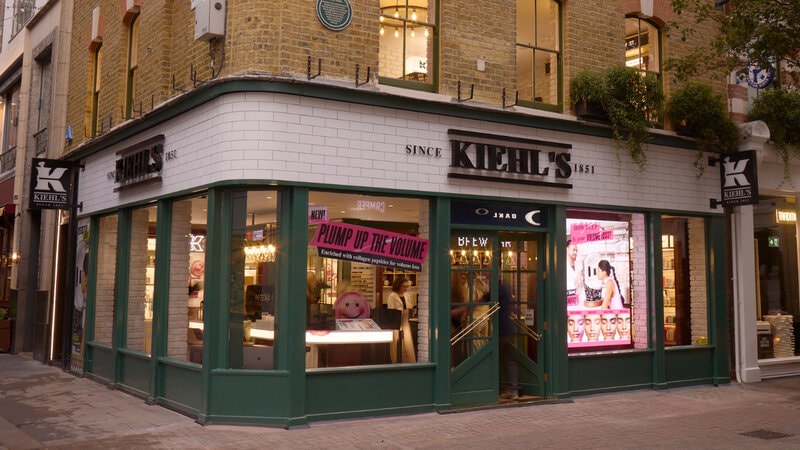
Kiehl's Pairs a Brew Bar with London's First Content Studio
Skincare brands are redefining physical retail through immersive services that increase dwell time and strengthen customer relationships.
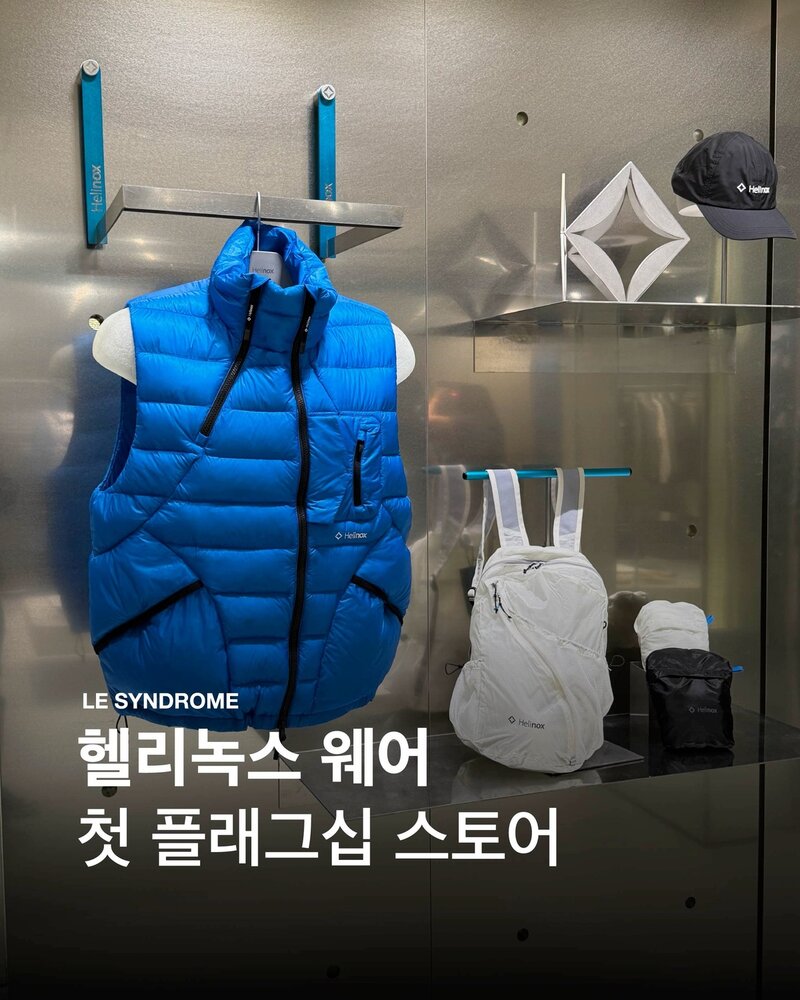
Helinox Opened Its First Helinox Wear Seoul Store
Gear brands extending material innovation into apparel can bridge adventure performance with everyday utility for consumers who value versatility.
Satisfy Splits Its Paris Flagship Into Supply and Fuel Station
Running apparel and footwear brands can evolve stores into lifestyle destinations that connect technical gear with community rituals.
Social Status Opened Its Pittsburgh Flagship Space
Fashion and lifestyle retailers can reshape physical stores into hybrid commerce venues that compete on atmosphere, programming, and community relevance.
7 Trend Hunter articles were grouped into the wider weekly cluster this trend was identified in, over 3 weeks.
Research
Participation Stores
Stores increasingly justify themselves by giving consumers something the feed cannot: trust, interaction, and a sense of being part of a scene.
Retail spaces that invite touching, tasting, filming, and socializing become more defensible in an era when routine replenishment can happen anywhere.
Do-Something Stores
Stores now have to justify the trip in ways e-commerce cannot.
Participation matters because consumers increasingly want tactile discovery, social content opportunities, and memorable interaction, turning the visit itself into part of the product value rather than a prelude to checkout.
ASMR Hangouts
Young consumers increasingly expect stores to deliver stimulation, content potential, and a reason to gather.
Shopping becomes more appealing when it doubles as entertainment and self-expression, especially for audiences raised on short-form media and high sensory expectations.
Social Store Loop
Younger consumers are not choosing between online and offline; they are using each channel for a different job.
Social feeds supply inspiration, cultural proof, and creator context, while stores provide reassurance, tactility, and the final confidence check before purchase.