

Category
Lifestyle
INVITED OWNERSHIP
Drink add-ins pair focused functions with simpler ingredient cues for easier use.

What's Happening
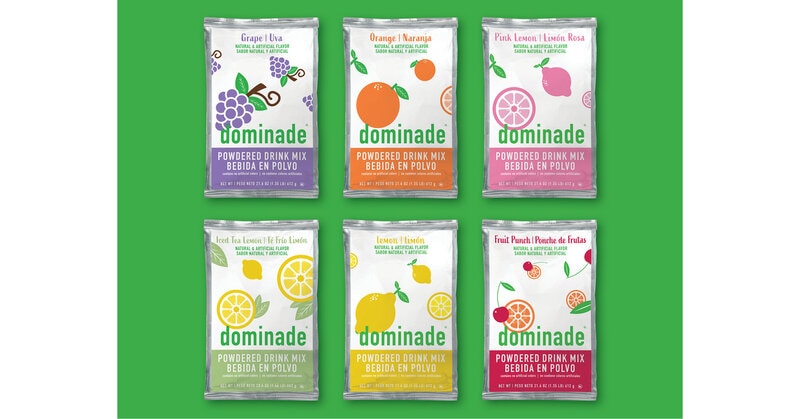
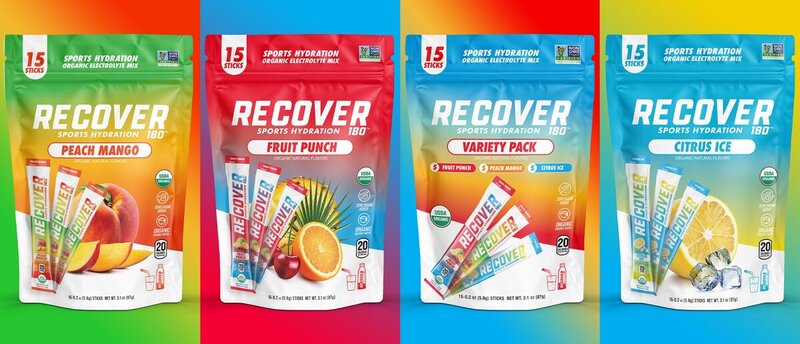
Formula Editing: Drink mixes are being positioned around a narrower job, such as recovery, hydration or sweetness replacement, instead of a broad wellness promise. Brands are stripping out or avoiding ingredients that can deter purchase, with cues like dye-free and organic used to make concentrated formats feel more acceptable.
Why It's Happening
Consumers increasingly want products that feel purposeful without feeling overloaded, creating demand for options that seem both targeted and easier to evaluate. Ingredient scrutiny matters more in concentrated formats because buyers may see mixes as more convenient than nutrition-led, so cleaner sourcing and shorter formulas can help reduce hesitation. Portable nutrition is still appealing, but users also want less friction in preparation, which makes format design part of the value proposition rather than a secondary detail. The takeaway for brands is to treat function, formula clarity and ease of use as a connected offer rather than separate features.
Evidence
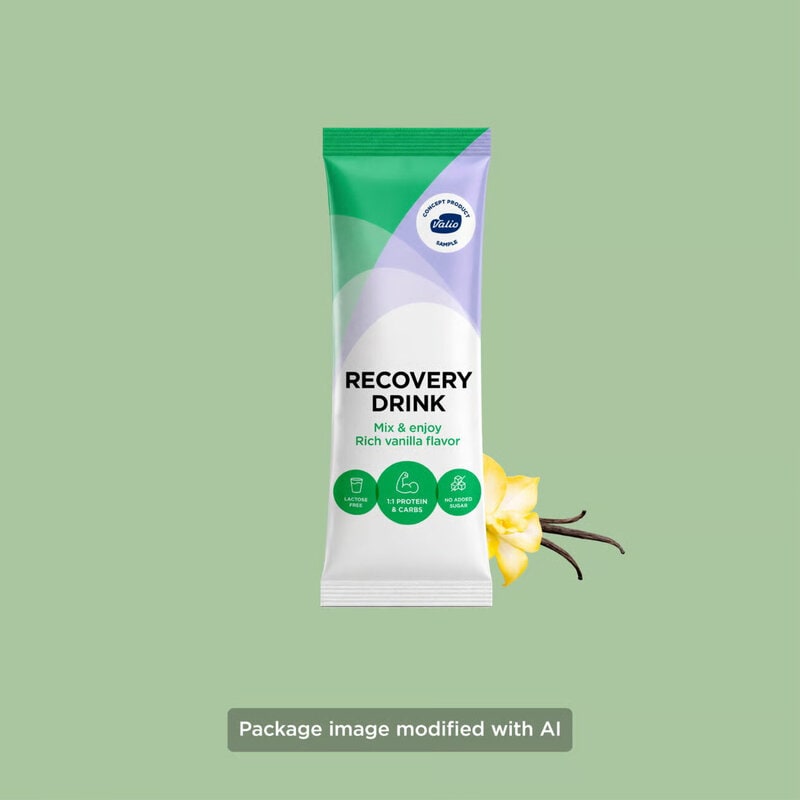
Valio Develops Lactose-Free Recovery Drinks for Active Lifestyles
The category is being reshaped by accessible recovery products that combine evidence-based macronutrient profiles with formats suited to casual exercisers and performance-focused…
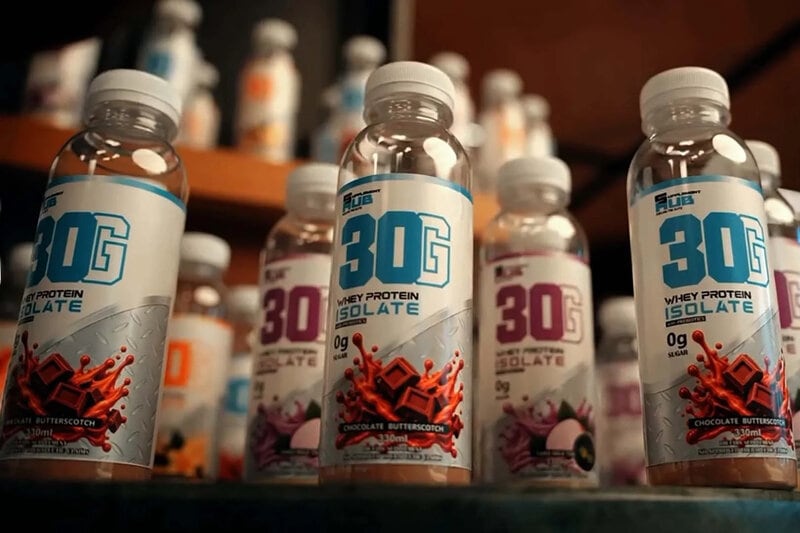
Supplement Hub Turns Whey Isolate Into a Portable Single Serving
Portable protein formats expand usage occasions beyond gyms and homes, reshaping how supplement brands compete with bars, shakes, and functional snacks.
MartinBauer and Nexture Reduce Beverage Sugar with Sweetec
Reduced-sugar systems with broad application across alcoholic and non-alcoholic drinks give producers new ways to refresh legacy portfolios.
ASR Group Professional Reformulates Dominade Without Artificial Colors
Restaurants, cafeterias, and institutional operators benefit from beverage solutions that combine simplified preparation with cleaner ingredient positioning.
RECOVER 180 Launches Portable Hydration Sticks for Active Lifestyles
Athlete-focused hydration powders expand the category beyond protein and energy products, with convenient recovery formats suited to training, competition, and lifestyle use.
Workshop question
How could your brand turn a concentrated product into a simpler and more intuitive routine?
Trend themes
Narrower claims around hydration, recovery or sugar reduction create room for drink add-ins that are easier to understand, compare and fit into specific daily routines.
Dye-free, organic, lactose-free and no-added-sugar cues are reshaping concentrated formats by making convenience products feel less processed and more acceptable to ingredient-conscious buyers.
Single-serve sticks, prefilled bottles and ready-to-mix powders point to new beverage formats that blend shelf stability with on-demand freshness and reduced preparation friction.
Industry implications
Purpose-built hydration, recovery and reduced-sugar systems are expanding the beverage market beyond broad wellness positioning toward more precise consumption moments.
Active lifestyle consumers are supporting simplified protein and electrolyte formats that sit between traditional supplements and everyday convenience drinks.
High-volume operators benefit from reformulated powdered mixes that preserve speed, consistency and dispenser compatibility while aligning with cleaner-label expectations.
Trend signals
Trend score 8.2 for the week of Nov 9, 2026. Momentum 6.4/10, persistence 0.0/10, backed by 3 research findings.
6 Trend Hunter articles were grouped into the wider weekly cluster this trend was identified in, over 1 week.
Research
Legible Function
As functional claims multiply, the real premium is not just efficacy but clarity.
Consumers are overwhelmed by crowded wellness language and increasingly reward brands that translate ingredients into plain, actionable outcomes. Simpler communication reduces skepticism and makes it easier to match a drink to a real need state.
GLP Sippers
GLP-1 medications change beverage needs as much as food needs.
Consumers managing suppressed appetite, altered taste preferences, hydration concerns, or digestive side effects often need smaller, denser, easier-to-tolerate drinks that still deliver obvious value. That turns beverages into practical companions for medication-shaped routines rather than simple thirst solutions.
Sweetness Rebuild
Consumers still want sweetness, comfort and familiar mouthfeel, but they are increasingly unwilling to accept the sugar load or the artificial trade-offs that used to come with reduced-sugar products.
That tension pushes brands to recreate the total sensory experience, making reformulation more complex but also more defensible when products can feel indulgent without reading as compromise food.