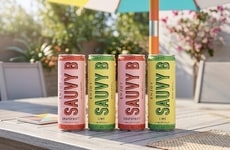
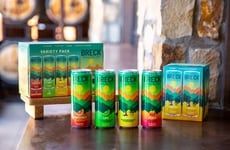
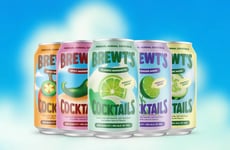
Trend - Alcoholic and non-alcoholic beverage producers are layering wellness-adjacent cues into traditionally indulgent drink formats through lower-calorie positioning, transparent ingredient lists, electrolyte callouts, and seltzer-style builds. With this strategy, brands are making refreshment options feel lighter and more health-conscious without abandoning flavor or alcohol entirely.
Trigger - Contemporary consumers are looking for ways to work through the inner tension between the desire to indulge during social occasions and the urge to stay in control through their established daily routines. In the beverage category, the emphasis is increasingly falling on drinks that can support social rituals without feeling at odds with broader wellness goals. For many, lighter beverage formats, simpler recipes, and portioned cans help reduce what feels like a mental trade-off between fun and restraint.


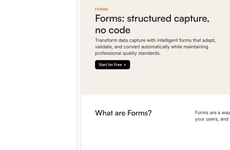
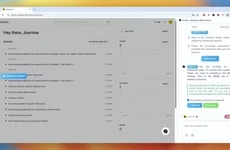
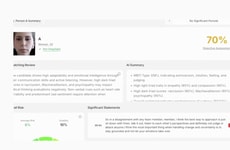
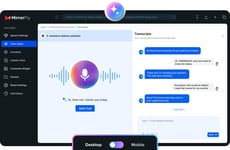
Trend - A growing set of business tools now combine planning, generation, analysis, and optimization within a single environment that users can follow, supervise, and edit. Especially visible in marketing, design, hiring, and web creation domains, vendors are packaging these AI tools around complete, editable job flows rather than isolated features. The goal is to keep context intact and productivity high as work progresses across stages.
Trigger - Many workers are balancing the tension between trusting workflow automation and tackling artificial intelligence tool overload. While the AI boom has created an abundance of targeted digital tools across creation, analysis, publishing, and reporting, many solutions require users to switch between platforms and stitch fragmented workflows. Users may welcome automation for repetitive tasks, but they still want visibility into how outputs were produced and the ability to edit them. That makes guided, inspectable workflows that are designed around editable sequences, clear checkpoints, and function-specific context easier to accept than automation that is fragmented and fully hands-off.


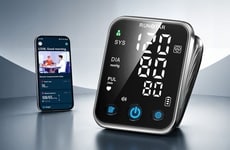
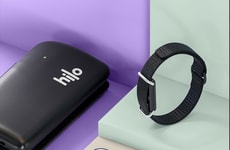
Trend - Wellness brands have expanded health tracking beyond step counts and sleep into blood pressure and related cardiovascular readings. These products are marketed as everyday monitoring solutions for health data continuity. They can turn a single measurement into a more persistent record to support clinic follow-ups and pattern visibility.
Trigger - The wellness category, with its technologically advanced features, has affected consumer expectations regarding long-term health management. Whether it is related to aging or managing an existing condition, consumers are increasingly mindful of bodily changes and that health needs don't always fit neatly into occasional medical appointments. For peace of mind and to ensure they are receiving the best care possible, many are looking for convenient and proactive solutions that support well-being oversight and health data collection. This gives them a stronger sense of control over their health outcomes.



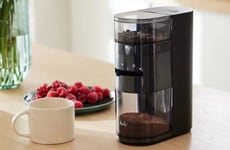
Trend - Coffee preparation tools are branching beyond standard countertop machines to specialty brewing methods with grinders, drippers, and compact brewers built for distinct use cases. Products like portable espresso devices and vacuum-style drippers aim to make techniques associated with cafes or enthusiasts easier to access outside traditional settings.
Trigger - Consumers appear to want more control over their coffee experience than a single all-purpose appliance offers. There is a practical push to recreate more intentional coffee moments outside the cafe to let people match preparation to taste preferences, time constraints, and location. Portable and simplified specialty tools suggest demand for equipment that supports a higher-touch ritual without requiring a dedicated setup. Product selection thus skews to that fit a specific routine, identity, or ritual, which rewards more segmented product design.




Trend - Perfume brands are moving beyond the familiar flagship format to introduce mists, alcohol-free perfumes, and other lighter or alternative expressions that tie to mood or seasonal appeal. This broadens how scent fits into different routines, better serves diverse consumer expectations, and satisfies comfort preferences.
Trigger - Consumers view perfume purchases as an extension of their personal identity, so more variety reflects the existing expectation that fragrance products reject one-size-fits-all in favor of closer alignment with personal habits. However, many believe that the emphasis on self-expression should not come at the expense of product usability. This is causing consumers to prioritize scents that offer convenience through format and/or gentler formulations that are more accommodating to personal sensitivities.





Trend - Digital wellness tools are moving beyond one-time plans and content libraries into ongoing guidance that adjusts to inputs like mood, stress, sleep, activity, and self-reported symptoms. A notable thread is nervous-system-focused support, where brands package regulation practices, check-ins, and personalized prompts as a more responsive alternative to generic self-care routines.
Trigger - Consumers are growing less satisfied with one-size-fits-all advice, especially when stress, energy, appetite, and motivation can change from hour to hour. People increasingly expect wellness help to fit around daily life instead of requiring dedicated sessions, which makes lightweight prompts and continuous interpretation feel more useful than occasional expert guidance alone. The opportunity is to make support feel timely and personal without becoming intrusive, so brands that translate data into simple, credible next steps can become part of everyday health habits.





Trend - Customer-facing software is shifting from simple chat support to systems that can answer calls, field messages across channels, and complete basic service tasks on a company’s behalf. These systems are beneficial for offloading repetitive tasks, reducing wait times, and helping staff invest more time in higher-value work and relationship management.
Trigger - Consumers are open to interacting with AI assistants for fast, personalized help, but they quickly lose trust when they can’t tell whether it's AI or when there’s no apparent way to reach a person when their request stalls. Clear labeling and a visible escalation path show consumers their time is respected, and the support feels efficient rather than evasive. At best, this automated support layer provides a quick solution for routine issues and doesn’t stand between the customer and the real human judgment and empathy they need when it matters.



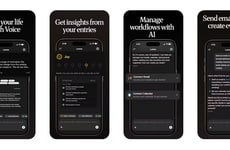
Trend - Brands are adding muscle-support positioning to foods that traditionally sit closer to indulgence or convenience. Prevalent in breakfast, dessert, and grab-and-go snacking categories, protein is bringing added nutritional value to cereals, cookies-and-cream-style dairy drinks, ice creams, granolas, and snack bars.
Trigger - People increasingly want to maximize the returns of what they consume or justify a particular food choice without sacrificing convenience or indulgence. While managing the fatigue of constant overt sports-nutrition cues and highly utilitarian products, many are prioritizing foods with straightforward marketing, familiar ingredients, and convenience positioning. In this category, individuals are approaching added protein as a simple way to make an indulgent choice seem more aligned with fullness, balance, or everyday wellness goals.


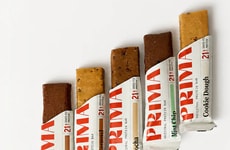


Trend - Workplace tools are moving beyond general-purpose AI assistants toward systems that can plan and complete multi-step tasks across existing software, data, and processes. Brands are packaging these capabilities as embedded operational layers for discrete needs such as administration, recruiting, testing, or broader business operations.
Trigger - People are under pressure to do more with limited time and leaner teams, and much of that strain comes from repetitive coordination across disconnected systems. As users grow more comfortable expressing goals through prompts and using AI for work-related recommendations, many are beginning to view editable, outcome-based software as a practical solution that can remove administrative drag and free up time and mental space for higher-level decision-making. Accuracy and trustworthiness remain key in maintaining this user confidence, so consumers are looking for solutions that prioritize workflow visibility and approval-seeking.



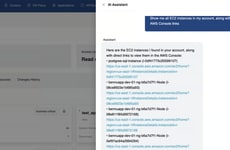

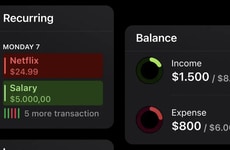
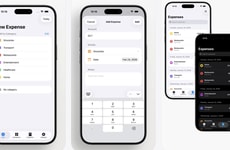
Trend - Personal finance tracking is being framed less as formal accounting and more as everyday self-management. Finance apps are simplifying daily spending, budgeting and planning with flexible, mobile-first features that are approachable and easier to use in daily life, especially for younger adults.
Trigger - Spending money on a mobile device takes virtually no effort and that ease is why consumers so often lose track of where their money goes. As payments become faster and less visible, consumers gain convenience but lose the natural pause points that once prompted them to register what they were spending. Because transactions happen in real time, consumers want oversight that keeps pace, not a static summary to review later. With resources built into the same device used to spend, tracking feels just as easy.