Category
Lifestyle
Flavor Rotation
Coffee lines are differentiated by specific use cases, not just flavor.
What's Happening
Occasion Brewing: Coffee brands are building assortments around specific settings and moments, from single-serve pods for the office to products positioned for bar service. This shifts the category from a general daily staple to more segmented, specialized options that consider ease of use and caffeine content by place and time of day.
Why It's Happening
Consumers want coffee to fit into more parts of their day, but what they need from it shifts with the setting, their schedule, and how much caffeine they can tolerate. When every coffee seems the same, they may have to guess which one suits their desire for focus at work or after-dinner indulgence, and the wrong choice leaves them with the wrong energy or experience. For brands, there's an opportunity to organize coffee ranges around real-life use cases and make it clear which occasion each one fits, so buyers can decide with less effort.
Evidence
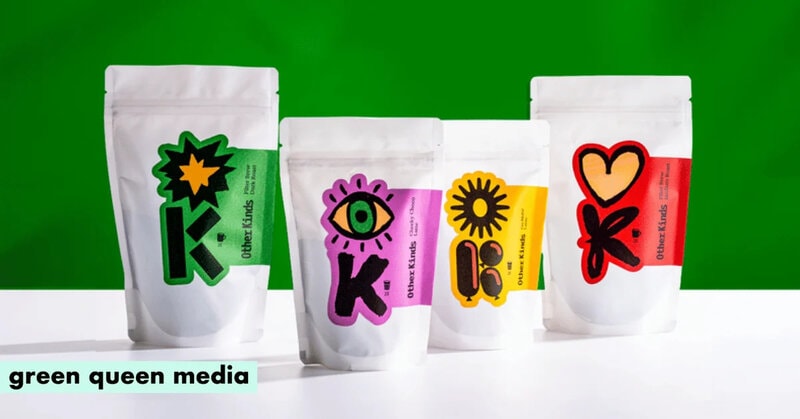
Koppie Launches Its Pea-Based Filter Drinks Brand
Climate-resilient ingredients and fermentation techniques are reshaping beverage portfolios with new formats that resemble familiar daily staples.
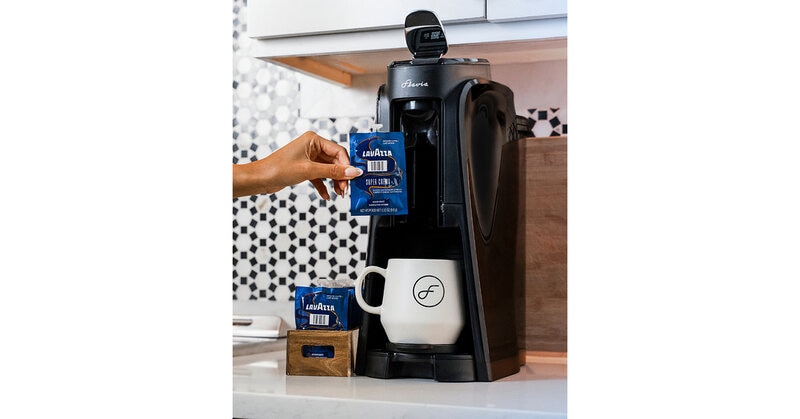
Flavia Brings Lavazza Super Crema to Office Brewers
Established coffee brands can extend loyalty through compatible single-serve formats that meet workplace demand without new equipment investments.
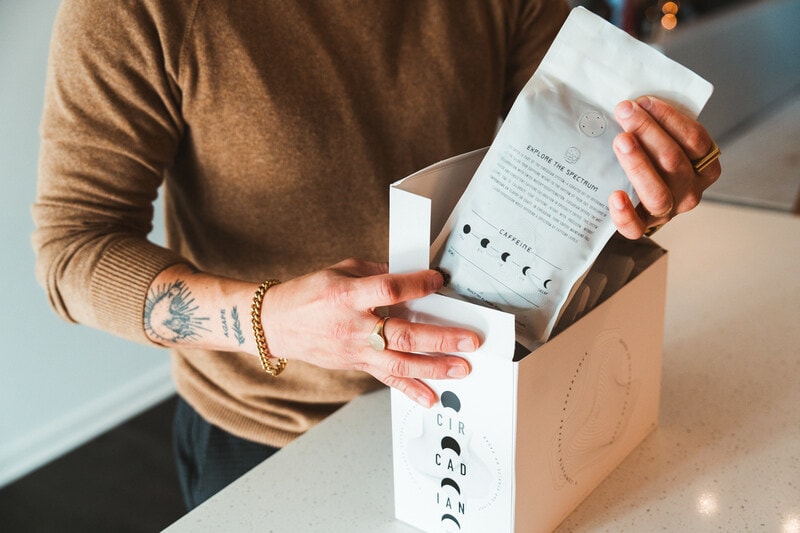
Onyx Coffee Lab Debuts the Circadian Line in the New Year
Innovative coffee systems like Circadian can significantly influence the specialty coffee market, driving demand for premium, curated coffee experiences.
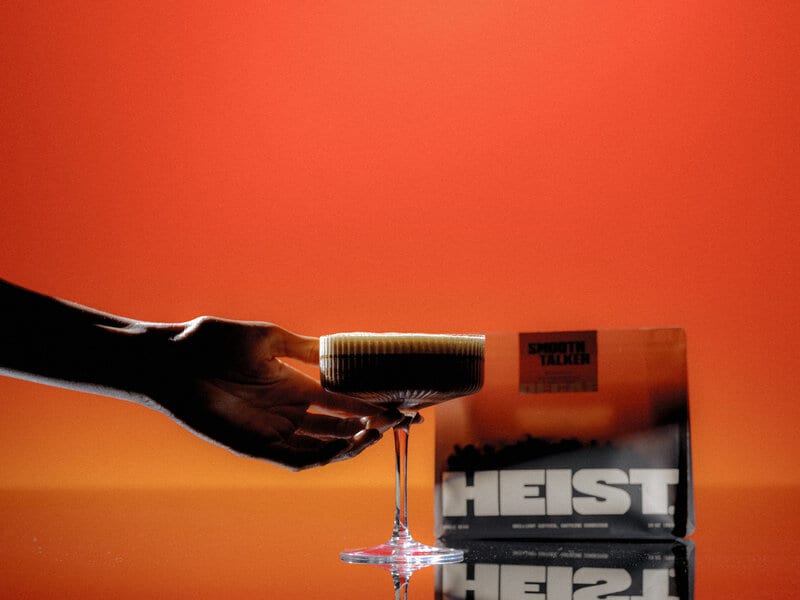
Heist's Decaf Lineup Targets After-Hours Menus
Quality-first decaf sourcing is reshaping roasting portfolios by making low-caffeine beans a premium category rather than a secondary product line.
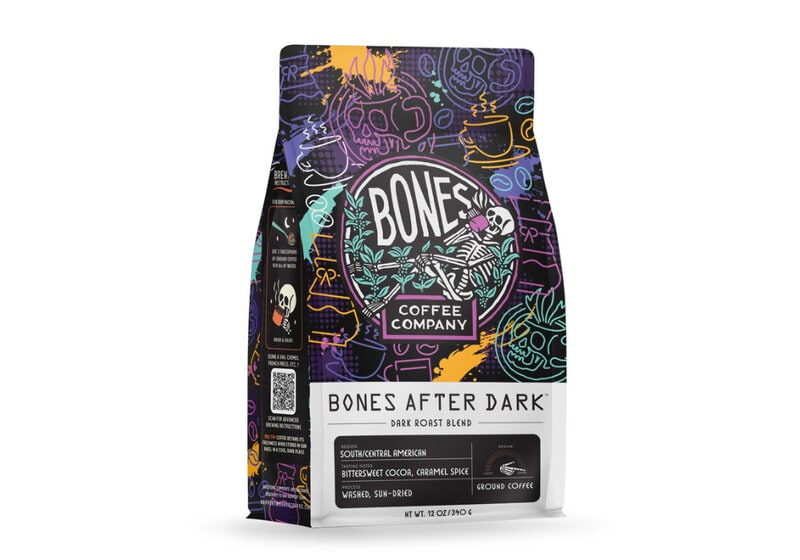
Bones Coffee Goes Darker with Its Unflavored Bones After Dark
Roast development and origin blending are becoming key differentiators for specialty labels seeking broader relevance with dark-roast drinkers.
Workshop question
How could your brand redesign a core product line around distinct use moments rather than one broad audience?
Trend themes
Coffee portfolios are being organized around work, evenings, dining, and home rituals, creating space for formats that match caffeine level, preparation method, and mood with less consumer guesswork.
Measured low-caf, decaf, and graduated caffeine systems are reframing coffee as a customizable energy tool, opening room for premium products that preserve taste while tailoring stimulation by time of day.
Beanless and hybrid coffee formats are emerging as familiar-tasting substitutes with lower emissions, giving brands new pathways to address supply volatility, sustainability concerns, and caffeine-free demand.
Industry implications
Segmented coffee launches show how everyday categories can be rebuilt around specific consumption moments, premium experiences, and functional needs rather than broad flavor preferences alone.
After-hours decaf and bar-ready coffee options point to beverage programs where coffee becomes a curated menu item for evening service, pairing occasions, and non-alcoholic indulgence.
Office-compatible single-serve systems highlight demand for convenient beverage upgrades that fit existing hardware, enabling employers and suppliers to personalize breakroom experiences with minimal operational friction.
Trajectory
Latest reading 7.9 for the week of Nov 2, 2026. Holding over the final 3 scored weeks (±0.0), at its peak of 7.9. Momentum 6.5/10, persistence 5.0/10, backed by 4 research findings.
13 Trend Hunter articles were grouped into the wider weekly cluster this trend was identified in, over 3 weeks.
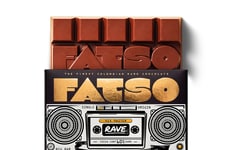 Colombian Coffee Chocolate BarsFATSO and RAVE Blend Colombian Coffee Into MIX MASTER Chocolate
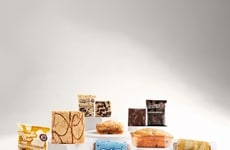 Coffee-Inspired Bakery Treats7 Brew Debuts Five Bakery Treats Inspired by Signature Drinks
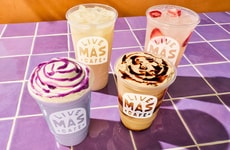 Three-Format QSR HorchatasTaco Bell Adds Four Horchata Drinks to Live Más Café
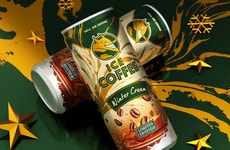 Festive Sweet Cream CoffeesHell Ice Coffee Mixes Vanilla and Caramel for Winter
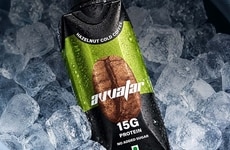 Compact Protein CoffeesAvvatar Adds Hazelnut to Its Cold Coffee Drink
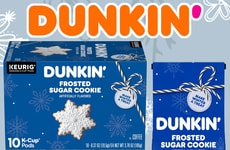 At-Home Holiday CoffeesDunkin' and Keurig Prep Frosted Sugar Cookie and Pistachio Coffees
 Foamy Iced Drink ToppingsM&S Cafés Offer a New Cold Foam Topping
 Zero-Sugar Flavored Coffee CreamersNutpods' Toasted Marshmallow Is Unsweetened and Dairy-Free
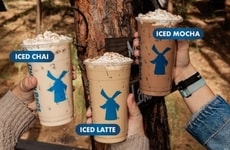 Seasonal Coffee Drink VariantsDutch Bros Unveils Its Snickerdoodle Latte And Mocha Lineup
Research
Coffeehouse Grocery
Consumers increasingly want everyday grocery items to carry the emotional charge of café culture.
Coffeehouse flavors signal indulgence, ritual, and a little social cachet, letting shoppers recreate premium treat moments at home or on the go. The trend matters because it shows how food brands are monetizing familiar beverage identities as a portable lifestyle cue, not just a taste profile.
Flavor Time Travel
In a high-churn culture, nostalgia reduces trial risk while still giving people something new to talk about.
Consumers want novelty, but they increasingly prefer it anchored to a memory they already trust.
Matcha Mashups
Consumers want beverages that feel better-for-you without sacrificing aesthetic delight or flavor experimentation.
Matcha works because it already carries a ritualized, premium-health halo, giving brands permission to layer in more playful flavors. It becomes a bridge between disciplined wellness and expressive indulgence.
Chat Order Muse
High-customization drink menus can be exciting, but they can also be intimidating.
Conversational interfaces reduce the pressure of knowing the right terms or build combinations, allowing consumers to start with a feeling or craving instead of a product name. That makes discovery more inclusive and can unlock more experimentation without making the menu feel more complicated.