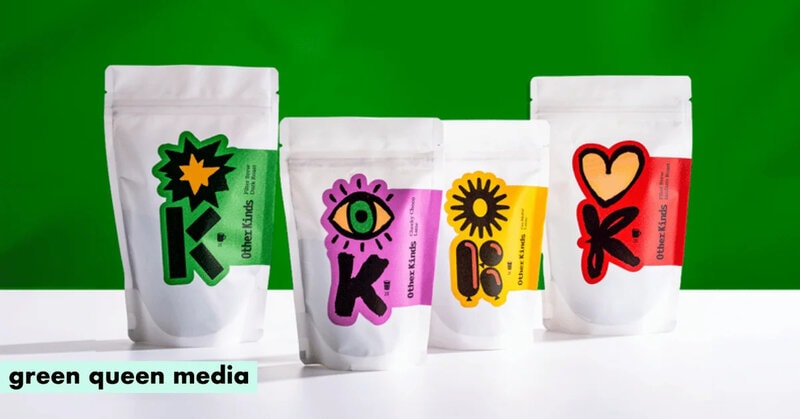
Ghent-based brand Koppie has launched OtherKinds, a direct-to-consumer brand offering beanless filter coffee grounds and ready-to-mix latte powders featuring beverages made from fermented legumes. The company uses fermentation and a patented flavor-modulation process to turn yellow peas into coffee-like roasted grounds that can be brewed using pour-over, AeroPress or drip machines. The products are sold in medium- and dark-roast varieties and are too finely ground for French press brewing.
OtherKinds also offers A-OK lattes in nutty and chocolate flavors, combining fermented peas with roasted carob for natural sweetness. The powders are caffeine-free and can be mixed with any kind of milk to be enjoyed hot or cold. Koppie can also supply pea-derived whole “Koppie beans” for co-roasting and hybrid blends with conventional coffee.
The pea-based format delivers a smooth, sweet and nutty profile with a lightly bitter finish while reducing emissions. Koppie reports emissions of 1.19 kilograms of carbon dioxide equivalent per kilogram, up to 95% lower than conventional coffee. For consumers, this provides a caffeine-free, coffee-like experience with a different supply profile. For Koppie, the direct-to-consumer brand provides consumer data and showcases its business-to-business hybrid-coffee model, reflecting broader interest in climate-resilient coffee alternatives.
Image Credit: OtherKinds
What Makes This Trend Stand Out
- Beanless Coffee Alternatives
- Fermented legumes that mimic roasted coffee profiles create space for low-emission beverages that reduce reliance on climate-sensitive coffee crops.
- Hybrid Coffee Blends
- Pea-derived grounds designed for co-roasting with conventional beans point to transitional formats that balance familiar taste with more resilient sourcing.
- Caffeine-free Ritual Drinks
- Coffee-like lattes without caffeine expand the morning beverage ritual for consumers seeking flavor, comfort and flexibility beyond stimulant-based drinks.
Sectors Adopting This
- Alternative Beverages
- Climate-resilient ingredients and fermentation techniques are reshaping beverage portfolios with new formats that resemble familiar daily staples.
- Food Fermentation
- Patented flavor-modulation processes applied to legumes highlight fermentation as a platform for recreating complex roasted and bitter taste experiences.
- Sustainable Food Supply
- Lower-emission crop inputs such as yellow peas present new supply-chain models for brands exposed to agricultural volatility and carbon reduction pressures.