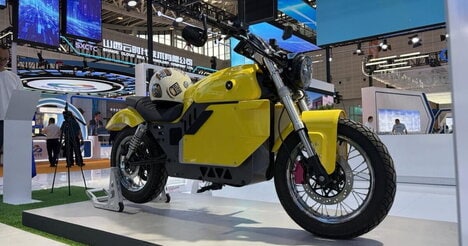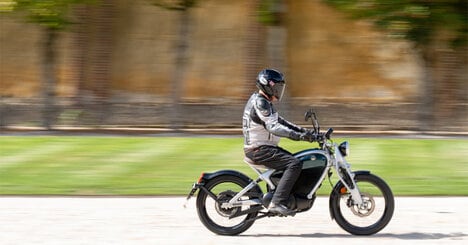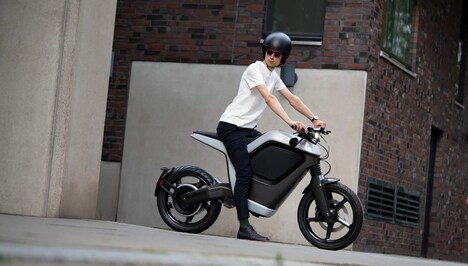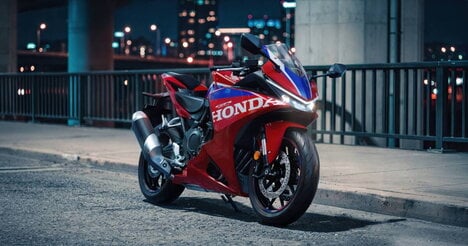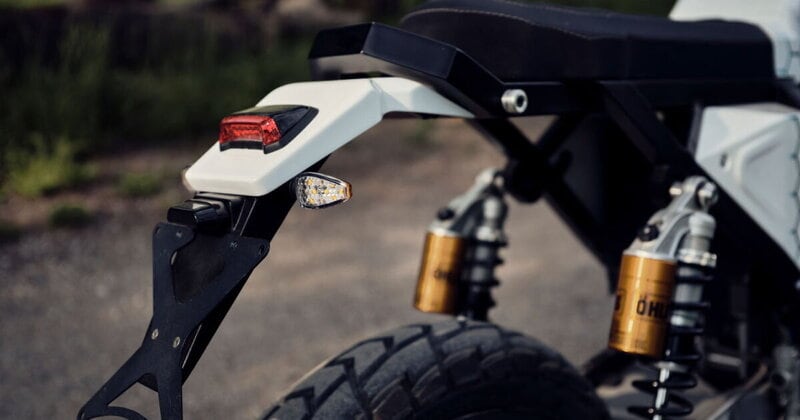
Positive Motorcycles is moving the 'Egera' closer to production after securing pre-seed funding and pushing the bike to 108 mph in recent road tests. The Italian startup's first model is a city-oriented electric motorcycle that blends scrambler and café-racer cues, offering city riders a street-focused design with some light off-road potential on rougher side roads.
A 7.7-kWh battery targets about 87 miles between charges, and regenerative braking suits stop-and-go urban daily riding. Positive Motorcycles plans to launch the Egera next year at just under €10,000 before taxes.
Pricing just under €10,000 before taxes and using almost entirely Italian-made parts positions the Egera as an alternative to lower-priced e-motos built around generic Chinese-sourced components. It broadens the category for riders who want electric performance with local manufacturing and more individual styling.
Image Credit: Positive Motorcyles
Key Themes Behind This Trend
- Localized Electric Mobility
- Italian-made components create room for premium electric two-wheelers that differentiate through regional supply chains, craftsmanship, and reduced dependence on generic imported platforms.
- Urban Scrambler Design
- City-focused motorcycles with light off-road capability reflect a growing blend of commuter practicality, lifestyle styling, and adaptable performance for mixed urban environments.
- Affordable Premium E-motos
- Sub-€10,000 pricing for distinctive electric motorcycles signals potential disruption between low-cost imported models and higher-end performance bikes.
Where This Applies
- Electric Motorcycles
- New entrants with localized manufacturing and expressive design are expanding competition beyond utilitarian e-mobility toward more aspirational rider experiences.
- Urban Transportation
- Regenerative braking, compact range targets, and street-oriented handling align with shifting commuter needs in dense cities seeking cleaner personal mobility options.
- Motorcycle Manufacturing
- Pre-seed-backed startups using regional parts networks introduce fresh pressure on legacy manufacturers to balance electrification, pricing, and design identity.