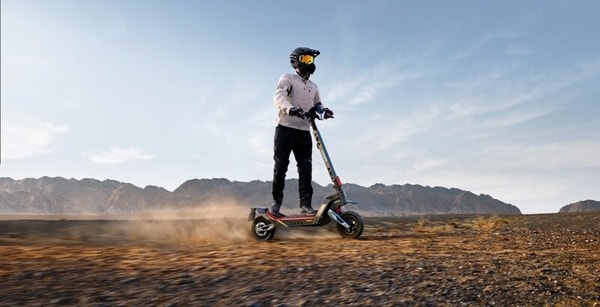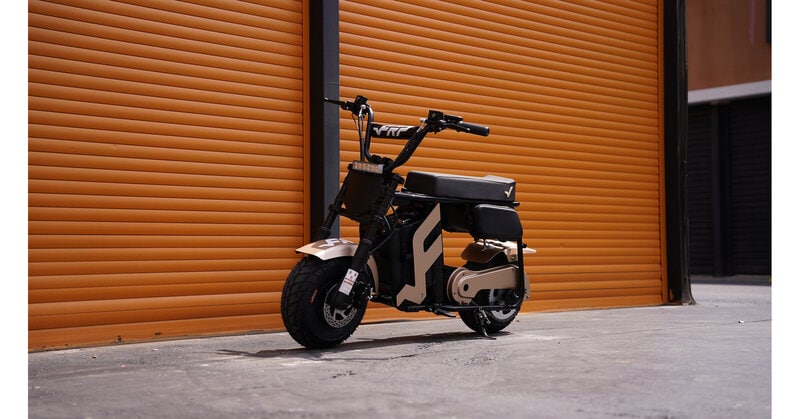
FRP Moto is introducing self-balancing electric mini bikes with its M3 model, featuring automated wheelie assistance that helps riders maintain controlled front-wheel lifts. Unlike conventional mini bikes that require constant manual throttle adjustments, the M3 uses automatic motor regulation to support balance during wheelies.
The Auto-Wheelie system offers practice and advanced modes, allowing riders to select lift angles between 20 and 45 degrees. Both settings restrict speeds to 10 mph, while assistance automatically disengages if the bike tilts beyond 58.5 degrees. During regular riding, the M3 reaches 55 mph and delivers up to 35 miles of range under ideal conditions.
For FRP Moto, this specialized feature could differentiate its first purpose-built electric model within the recreational powersports market. With preorders beginning at $2,049.99, the M3 may appeal to riders interested in developing wheelie skills while maintaining access to off-road performance.
Image Credit: FRP Moto
Key Themes Behind This Trend
- Assisted Stunt Riding
- Automated balance systems are reshaping recreational riding by making advanced maneuvers more accessible through embedded safety and control intelligence.
- Electric Powersport Miniaturization
- Compact electric performance vehicles create new product niches where affordability, portability, and off-road capability converge for younger or entry-level riders.
- Skill-training Mobility Tech
- Integrated practice modes and adjustable assistance levels position vehicles as learning platforms that blend entertainment with progressive rider development.
Where This Applies
- Recreational Powersports
- Software-defined control features introduce fresh differentiation in a category traditionally driven by engine performance and mechanical handling.
- Electric Mobility
- Specialized use-case vehicles expand the market beyond commuting by targeting leisure, training, and hobbyist applications.
- Sporting Goods
- Connected and assisted ride equipment reflects a shift toward products that support skill acquisition while preserving the excitement of physical recreation.