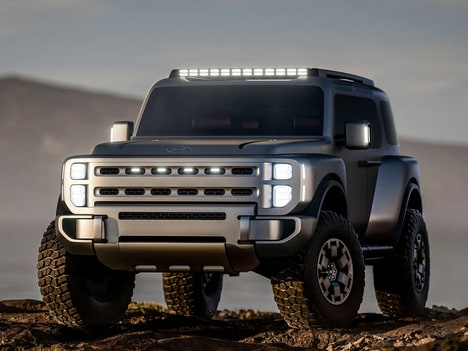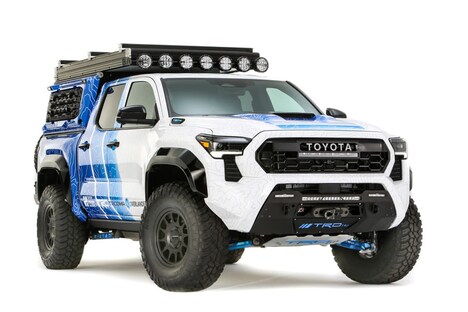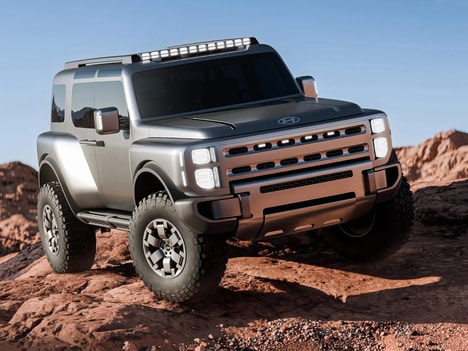
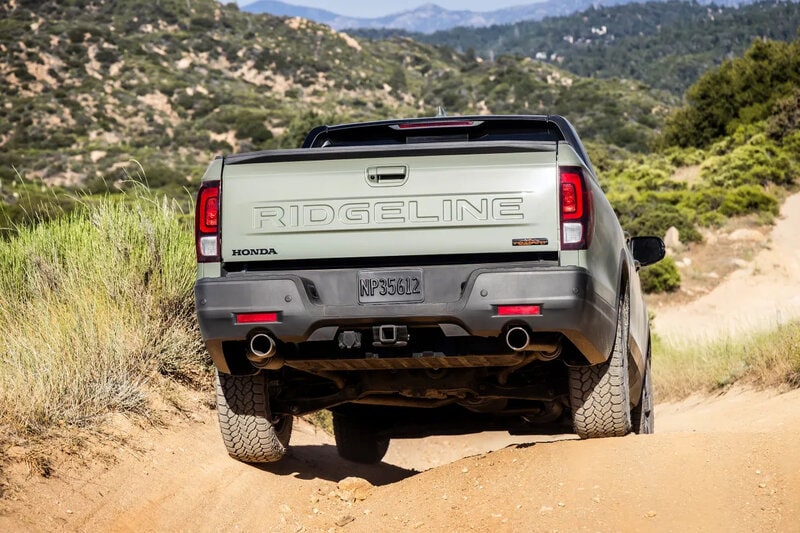
Honda is expanding beyond its unibody truck with a body-on-frame pickup built from Mitsubishi hardware. The new truck will be Honda’s first ladder-frame model, giving the brand a more rugged pickup format than the Ridgeline it already sells.
The truck is based on the Mitsubishi Triton and is set to go on sale primarily in Southeast Asia starting in 2028. That regional focus keeps the product close to markets where ladder-frame pickups are a mainstream choice, while letting Honda enter the segment without engineering a ground-up platform.
A Mitsubishi-sourced pickup also gives Honda a faster route into a category where body-on-frame construction still matters. If the truck stays close to the Triton formula, Honda can compete on familiar pickup capability instead of asking buyers to adjust to a softer truck layout.
Image Credit: Honda
Key Themes Behind This Trend
- Platform-sharing Pickups
- Automaker partnerships are reshaping pickup development by reducing engineering costs and accelerating entry into capability-focused vehicle segments.
- Regional Rugged Mobility
- Southeast Asia’s strong demand for ladder-frame trucks creates space for brands to localize durable vehicle formats around mainstream commercial and lifestyle use.
- Legacy Brand Segment Expansion
- Established automakers are using borrowed architectures to test new vehicle categories while preserving brand relevance in markets with distinct product expectations.
Where This Applies
- Automotive Manufacturing
- Shared truck platforms are creating more flexible production strategies for manufacturers seeking scale without full ground-up development investment.
- Commercial Transportation
- Body-on-frame pickups support evolving business mobility needs where durability, payload capacity, and road-condition versatility remain central purchasing factors.
- Automotive Partnerships
- Cross-brand hardware collaboration is becoming a strategic pathway for entering specialized segments while limiting risk and shortening product timelines.