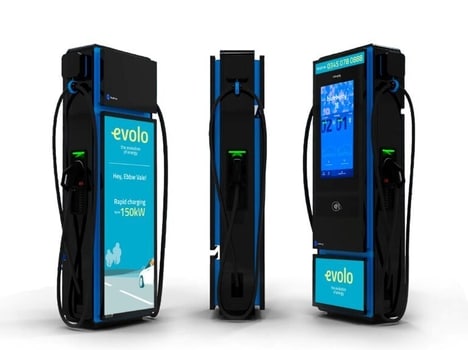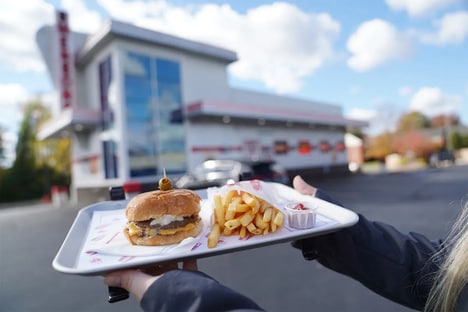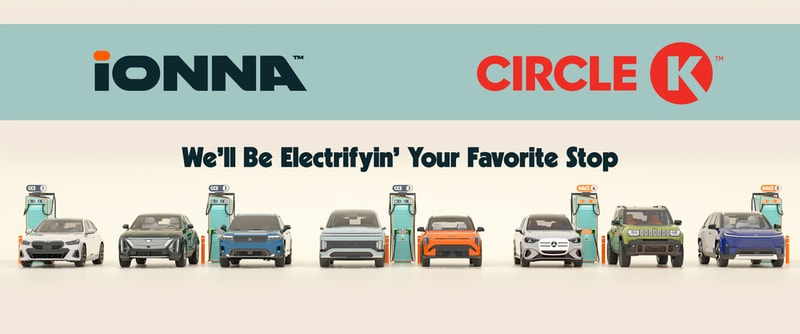
Retail-integrated EV charging hubs are redefining how drivers interact with charging infrastructure by combining high-speed EV charging with everyday convenience retail experiences. Through partnerships like IONNA and Circle K, charging stations are being placed in familiar, high-traffic locations where drivers can access food, beverages, and essential services while their vehicles recharge. This approach shifts charging from a passive wait time into a more engaging and productive stop, aligning with how consumers already behave during road trips and daily commutes.
This model creates new revenue opportunities by increasing dwell time and encouraging in-store purchases during charging sessions. Retailers can attract a growing base of EV drivers while differentiating their locations through added services. At the same time, charging networks benefit from strategic placement and higher utilization rates, supporting scalable infrastructure growth as EV adoption continues to rise.
Image Credit: IONNA
Key Themes Behind This Trend
- Charge-time Retail Integration
- Embedding charging points within convenience retail locations enables conversion of passive wait periods into commerce-driving customer experiences that alter retail footprint value.
- Ultra-fast Charging at High-traffic Stops
- Rapid chargers colocated with familiar retail brands shorten dwell windows and shift consumer expectations toward on-the-go refueling ecosystems that compete with legacy fueling models.
- Dwell-time Monetization
- Extended customer presence during charging sessions creates layered revenue streams from cross-selling, services, and subscriptions that change how site profitability is measured.
Where This Applies
- Convenience Retail
- Retailers gain a new competitive axis by turning locations into mobility nodes where store assortment and layout are redesigned around charging-driven visit patterns.
- EV Charging Networks
- Charging operators partnering with retail brands can optimize placement and utilization metrics, producing platform-level differentiation through curated customer experiences.
- Food and Beverage
- Brands in the F&B sector are positioned to capture incremental spend from captive customers during charging periods, prompting menu and service innovations tailored to short-dwell visits.