

Category
Lifestyle
Bathroom Biometrics
Healthcare tools track patient status through continuous multimodal signals.


What's Happening
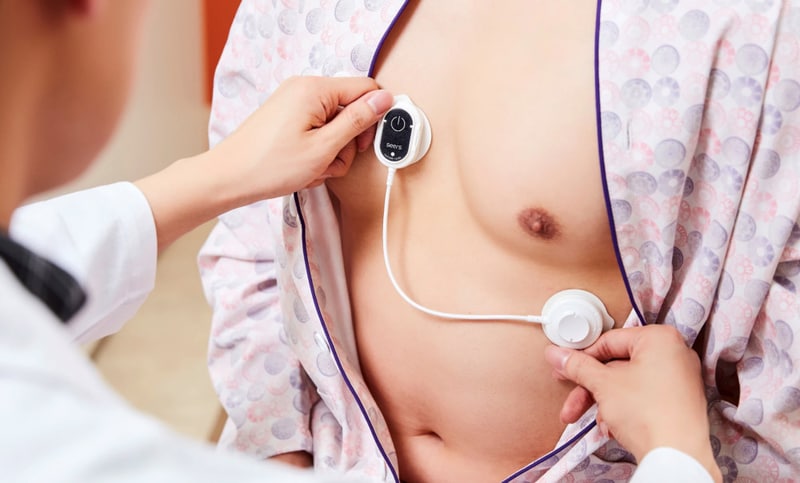
Passive Vigilance: Healthcare developers are building systems that watch patient status continuously instead of relying only on episodic check-ins. These tools analyze incoming signals to flag changes that may need attention sooner. Brands are positioning the tools as support layers around clinicians rather than standalone decision-makers. The systems are intended to surface patterns, prioritize follow-up, and make ongoing observation more manageable.
Why It's Happening
For patients, the tension is between wanting earlier reassurance and not being able to stay under constant human supervision. Systems that review signals in the background aim to close that gap without requiring continuous appointments. This matters now because many people move between home, virtual, and in-person care, creating more fragmented health journeys. Continuous oversight is becoming a way to maintain visibility between those touchpoints. The takeaway for brands is that passive support can be valuable when it reduces uncertainty without making people feel surveilled. Trust will hinge on showing what is being tracked, why it matters, and when a human steps in.
Evidence
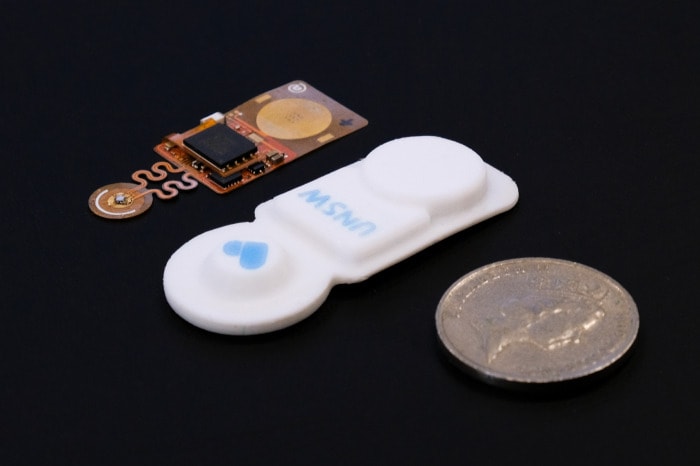
UNSW's AusculPatch Continuously Monitors Heart and Lung Sounds
Clinically focused wearables represent a shift from basic fitness tracking toward regulated diagnostic platforms that generate deeper cardiovascular and respiratory intelligence.
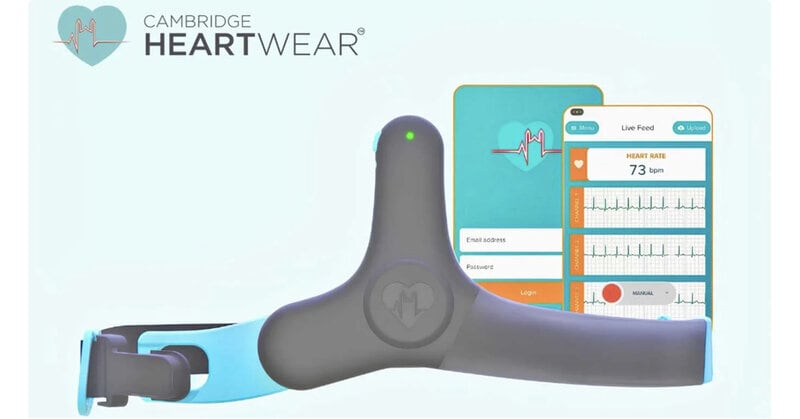
Cambridge Heartwear Brings Medical-Grade Monitoring to Mobile Phones
AI-enabled remote monitoring technologies are expanding the role of software-driven care models in chronic disease detection and management.
SEERS Earns FDA Clearance for AI-Powered Cardiac Monitoring
Clinically validated AI wearables are strengthening digital care ecosystems that combine connected devices, remote monitoring, and virtual clinical support.
Cresta Anticipates Customer Needs Using Interaction Histories
AI-driven journey visibility is reshaping customer experience software by combining agent assistance, automation, and predictive insights in one workflow.
LeanTaaS Expands Virtual Care with Ambient Intelligence
AI-enabled monitoring platforms are reshaping clinical operations through predictive alerts, computer vision analytics and reduced administrative burden.

Cordio Medical Detects Heart Failure Risks Through Speech
AI-enabled remote monitoring is broadening digital health platforms into predictive care systems that connect patient-generated data with clinician workflows.
Workshop question
How could your brand turn ongoing customer data into early support rather than delayed response?
Trend themes
Continuous sensing across wearables, rooms, phones, and voice interfaces is creating space for care models that detect subtle risk signals before patients actively report symptoms.
Predictive systems that filter multimodal patient data can reshape clinician workflows by highlighting priority cases, reducing monitoring burden, and supporting earlier intervention.
Everyday objects and behaviors, from speech patterns to passive patches, are becoming diagnostic channels that expand medical monitoring beyond dedicated clinical equipment.
Industry implications
Fragmented care journeys make connected monitoring platforms valuable as infrastructure for maintaining clinical visibility across home, virtual, and in-person settings.
Clinically validated sensors and AI-enabled wearables are broadening the category from single-purpose hardware into recurring diagnostic service ecosystems.
Interaction intelligence platforms show how passive pattern recognition can anticipate needs, personalize support, and transfer predictive service models across regulated and consumer-facing sectors.
Trajectory
Latest reading 7.1 for the week of Nov 9, 2026. Holding over the final 3 scored weeks (±0.0), −0.8 from its peak of 7.9 in the week of Nov 2, 2026. Momentum 4.2/10, persistence 2.5/10, backed by 2 research findings.
5 Trend Hunter articles were grouped into the wider weekly cluster this trend was identified in, over 2 weeks.
Research
Predictive Hair Twins
Consumers increasingly want to preview outcomes before risking money, time, or skin.
Predictive models matter because they reduce the fear of regret in highly personal categories by making beauty feel more testable, controllable, and individualized.
Parent AI Guardrails
Families are not rejecting digital tools outright; they are demanding safer defaults.
For brands targeting kids, schools, or parents, trust will increasingly come from visible limits, explainability, and designs that reduce ambient risk rather than maximize engagement.