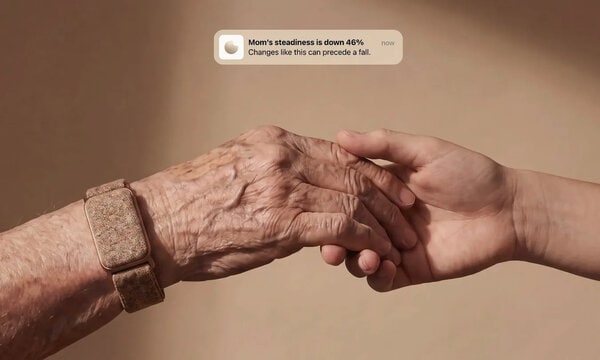
AI voice heart monitoring is advancing as Cordio Medical demonstrates how its HearO system can identify early signs of worsening heart failure through smartphone recordings. The technology analyzes subtle speech changes associated with fluid accumulation in the lungs, allowing healthcare teams to recognize potential complications without requiring implanted devices or specialized equipment.
In a clinical study involving 563 patients across 46 sites, HearO predicted more than 70% of heart failure events an average of 24.6 days beforehand. Participants completed 85% of scheduled recordings, while the system used personalized voice models to identify concerning changes and notify clinicians through a secure platform.
For Cordio Medical, these findings support its pursuit of FDA authorization ahead of a planned 2027 U.S. launch. Healthcare providers could benefit from earlier intervention opportunities, potentially reducing hospitalizations and expanding access to remote cardiac monitoring.
Image Credit: Cordio Medical
What's Driving This Trend
- Voice-based Diagnostics
- Speech analysis is becoming a low-friction health signal, creating room for diagnostic platforms that identify disease progression through everyday smartphone interactions.
- Personalized Remote Monitoring
- Patient-specific AI models are reshaping chronic care by detecting subtle physiological changes outside clinical settings and supporting more timely care decisions.
- Non-invasive Cardiac Surveillance
- Device-free heart monitoring points to a growing market for solutions that reduce reliance on implants, wearables, and specialized equipment while expanding access to preventive care.
Who This Affects Most
- Digital Health
- AI-enabled remote monitoring is broadening digital health platforms into predictive care systems that connect patient-generated data with clinician workflows.
- Cardiology
- Early detection tools for heart failure are introducing new care models centered on proactive intervention, lower hospitalization risk, and continuous patient oversight.
- Medical Devices
- Software-based monitoring systems are challenging traditional device categories by delivering regulated clinical insights without physical implants or dedicated hardware.