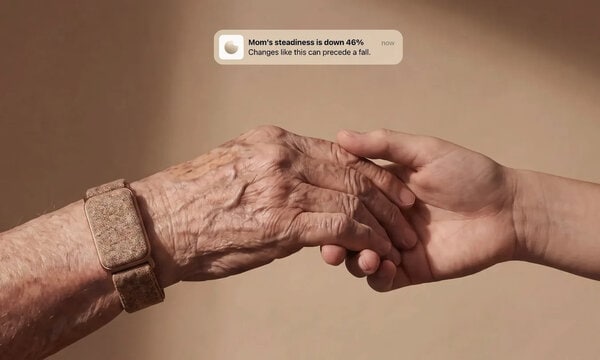
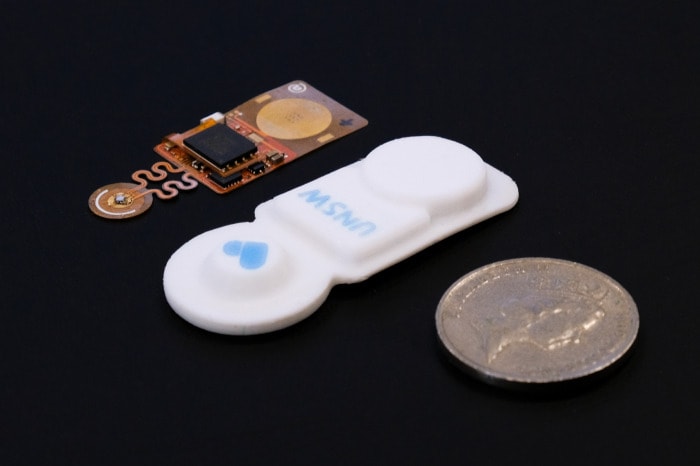
Wearable digital stethoscopes are transforming remote healthcare by enabling continuous monitoring of heart and lung activity outside traditional clinical settings. UNSW researchers developed the AusculPatch, a lightweight wearable sensor that detects subtle mechanical vibrations from the heart, lungs, blood flow, and pulse waves while users go about their daily routines. Unlike conventional wearables that primarily track heart rate or blood oxygen, the patch captures detailed physiological signals and is designed to work with AI systems that can identify abnormal patterns and notify clinicians before symptoms become severe.
For healthcare providers, continuous home monitoring could improve chronic disease management while reducing unnecessary hospital visits and enabling earlier intervention. Medical device companies also have opportunities to expand beyond fitness tracking into clinically focused wearable diagnostics that generate richer health insights. As AI-driven analysis becomes more sophisticated, wearable digital stethoscopes could support more personalized care, improve remote patient monitoring, and help healthcare systems manage growing patient populations more efficiently.
Image Credit: UNSW
Key Themes Behind This Trend
- Continuous Acoustic Monitoring
- Wearable sensors that capture heart, lung, and vascular sounds create new possibilities for detecting clinical changes during everyday routines rather than brief appointments.
- AI-driven Diagnostics
- Advanced pattern recognition can turn subtle physiological vibrations into predictive health insights that support earlier intervention and more personalized patient care.
- Home-based Chronic Care
- Remote monitoring tools expand chronic disease management beyond hospitals and clinics, reducing avoidable visits while giving providers richer longitudinal health data.
Where This Applies
- Medical Devices
- Clinically focused wearables represent a shift from basic fitness tracking toward regulated diagnostic platforms that generate deeper cardiovascular and respiratory intelligence.
- Remote Healthcare
- Virtual care models benefit from continuous physiological data streams that help clinicians assess patient status without relying solely on scheduled consultations.
- Health AI
- Machine learning systems trained on acoustic biosignals can enhance decision support by identifying abnormalities before patients experience severe symptoms.