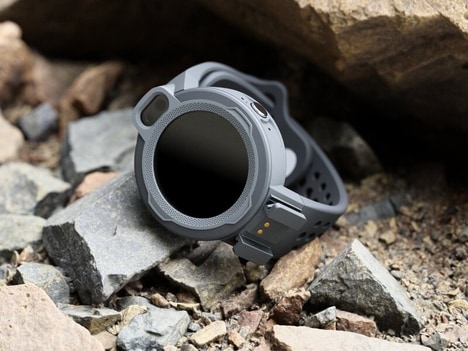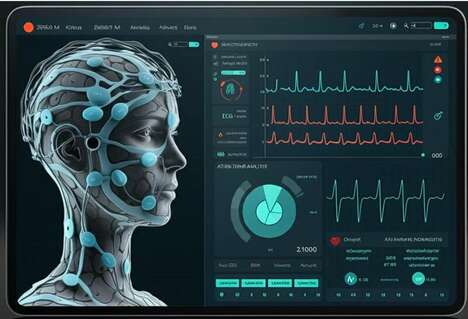

Adaptyx Biosciences has secured $14 million in initial funding to advance the development of a wearable molecular monitoring device. Designed for the ongoing tracking of multiple biochemical substances within the body, the proposed technology centers on synthetic DNA sensors that are engineered to identify a wide array of molecules — such as hormones, electrolytes, and medications. The goal is to generate a continuous stream of physiological data rather than the single-moment insights provided by traditional lab tests. The information gained from the molecular monitoring would be processed by artificial intelligence systems to identify health trends and support clinical decision-making.
Adaptyx Biosciences is initially focusing on specific medical applications, including the management of heart failure and the optimization of hormone therapies. The long-term objective, however, is to expand the wearable device to general wellness monitoring.
Image Credit: Adaptyx Biosciences
Key Themes Behind This Trend
- Continuous Health Data Tracking
- The shift from episodic to continuous health data collection represents a significant opportunity for enhancing predictive analytics in healthcare.
- Synthetic DNA Sensors
- Advancements in synthetic DNA sensor technology offer a new frontier in molecular diagnostics, capable of detecting numerous biochemical substances in real time.
- AI-driven Health Insights
- Leveraging artificial intelligence to process vast streams of physiological data can revolutionize personalized medicine by providing timely insights for clinical decision-making.
Where This Applies
- Wearable Biotechnology
- The integration of biotechnology into wearable devices presents a unique opportunity for developing innovative health monitoring solutions.
- Precision Medicine
- Precision medicine can be significantly enhanced through the use of real-time molecular monitoring, allowing for more targeted and effective treatments.
- Healthtech AI Solutions
- The emerging intersection of healthcare and artificial intelligence is poised to disrupt traditional practices by offering more dynamic and data-driven health management strategies.