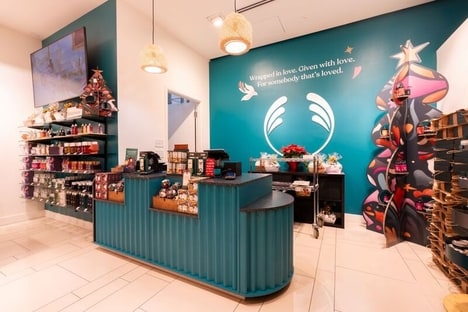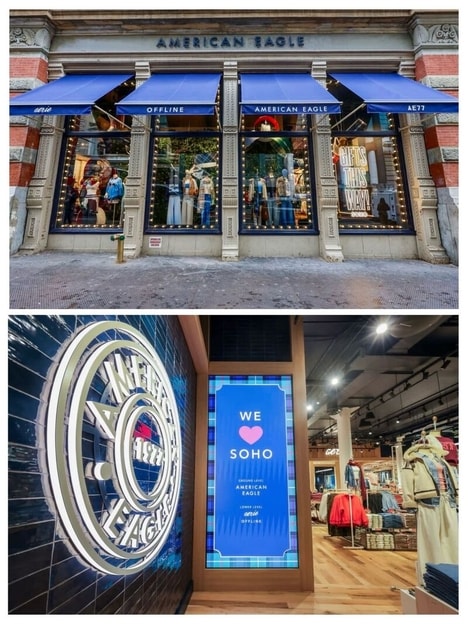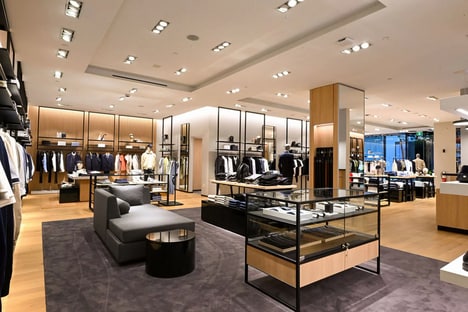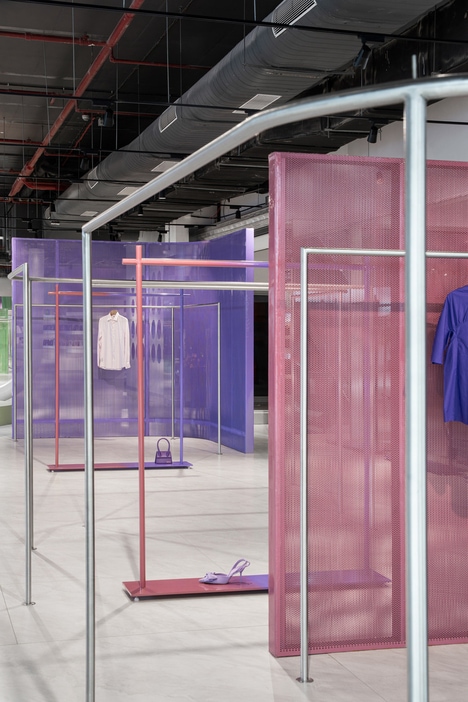
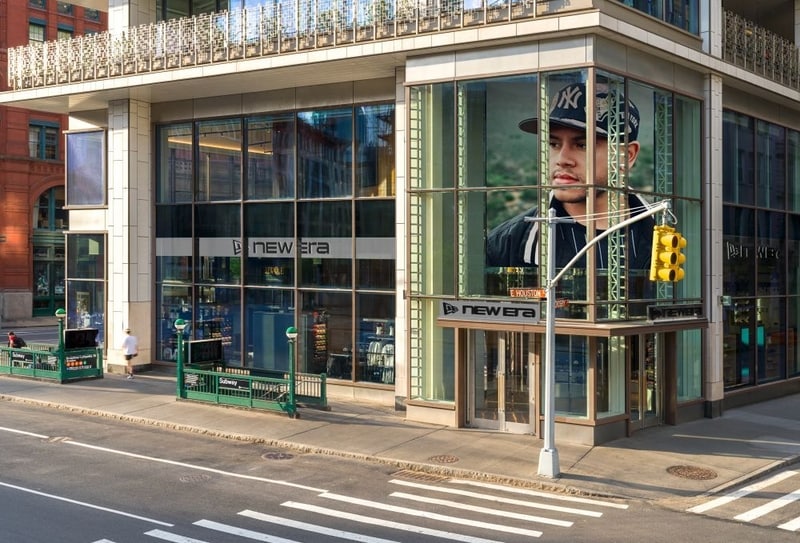
Experiential brand stores are redefining retail by turning physical locations into interactive environments that blend storytelling, customization, and digital engagement. New Era’s SoHo flagship reflects this shift through features like large-scale digital screens, a silhouette education wall, and “The Garage,” where customers can personalize caps with patches, shaping, and finishes. Rather than focusing solely on transactions, the space guides visitors through a curated journey that highlights heritage, product variety, and exclusive collaborations.
This approach signals a broader move toward deeper consumer engagement in retail. Brands can strengthen loyalty by offering memorable, hands-on experiences that cannot be replicated online. At the same time, customization and exclusivity create higher perceived value and encourage repeat visits. For retailers, these spaces function as both sales channels and marketing platforms, helping build community, amplify brand identity, and drive long-term growth in an increasingly competitive landscape.
Image Credit: New Era Cap LLC
Part of the cluster
Participatory Retail
Stores are becoming hands-on learning environments for shoppers
Explore the cluster


What's Driving This Trend
- Interactive Retail Environments
- Physical stores evolving into immersive spaces that merge tactile product interaction with social and digital elements, enabling new forms of customer engagement and dwell-time monetization.
- Mass-customization at Point-of-sale
- On-site personalization capabilities that turn single transactions into unique, higher-margin products and foster long-term brand attachment through bespoke offerings.
- In-store Digital Storytelling
- Large-scale screens and curated content walls that contextualize heritage and collaborations, transforming retail locations into narrative-driven brand hubs with measurable influence on perception.
Who This Affects Most
- Apparel and Accessories Retail
- Brick-and-mortar fashion retailers positioned as experiential destinations where product customization and guided discovery increase lifetime value and differentiate from e-commerce.
- Retail Technology and Digital Signage
- Providers of interactive displays, AR/VR, and customization hardware that enable seamless in-store personalization and dynamic merchandising, reshaping point-of-sale ecosystems.
- Experiential Marketing and Events
- Agencies and platforms creating branded physical experiences that double as content generators and community-building channels, altering how brands drive loyalty and PR.