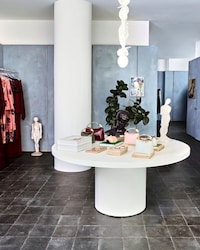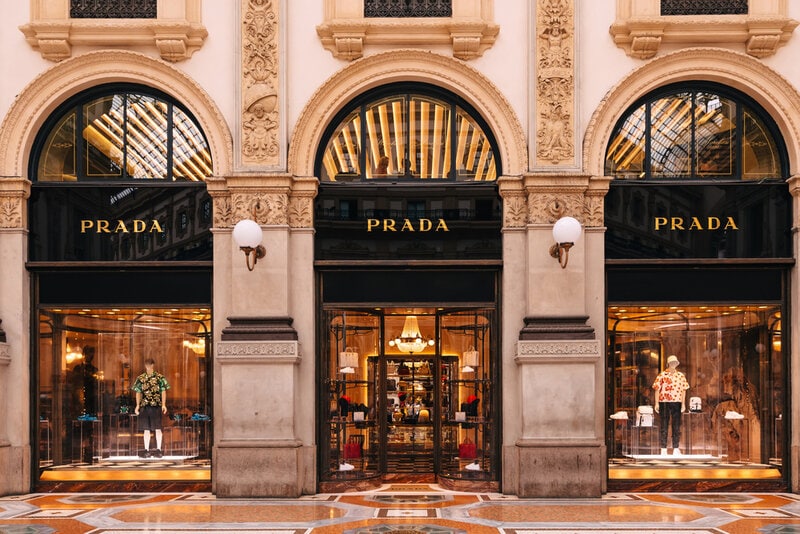
Prada is turning its history into a permanent exhibition called ‘Pradasphere’ in Milan, pairing archival fashion displays with a retail space you can visit. The experience is built for Prada aficionados who want the brand’s past framed as a physical walk-through, not just a store window.
The exhibition sits in the Galleria Vittorio Emanuele and spans eight rooms, with only 20 visitors admitted by appointment each hour. A secret underground passage links the menswear and womenswear boutiques, extending the visit into the sales floor and giving the archive a direct path back to shopping.
Prada shows how 100 million euros in projected annual revenue can make heritage an operating asset rather than a static showcase, while turning the brand’s archive into a reason to linger, browse and buy inside the same landmark location.
Image Credit: Shutterstock/Kyryk Ivan
Key Themes Behind This Trend
- Shoppable Brand Archives
- Historic collections become immersive retail gateways as luxury brands convert cultural memory into measurable store traffic and high-intent purchasing.
- Appointment-based Flagships
- Limited-capacity visits create scarcity and personalization, giving retailers a controlled format for premium storytelling and elevated conversion moments.
- Museum-retail Hybrids
- Cultural exhibition formats merge with commercial spaces, reshaping flagship stores into destinations where education, entertainment and commerce reinforce one another.
Where This Applies
- Luxury Fashion
- Heritage houses can monetize archives as living brand assets, strengthening loyalty while differentiating physical retail from standard boutique experiences.
- Experiential Retail
- Immersive store environments gain new value when narrative design, exclusivity and direct product access work together inside a single customer journey.
- Cultural Tourism
- Landmark retail exhibitions broaden destination appeal by linking fashion history, architectural settings and curated access for affluent visitors.