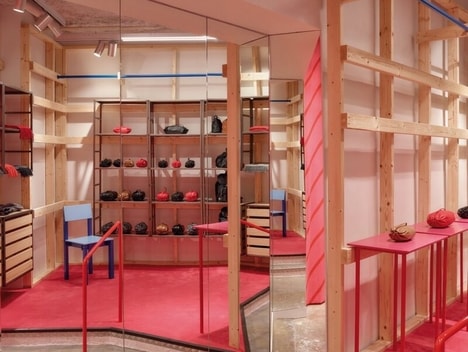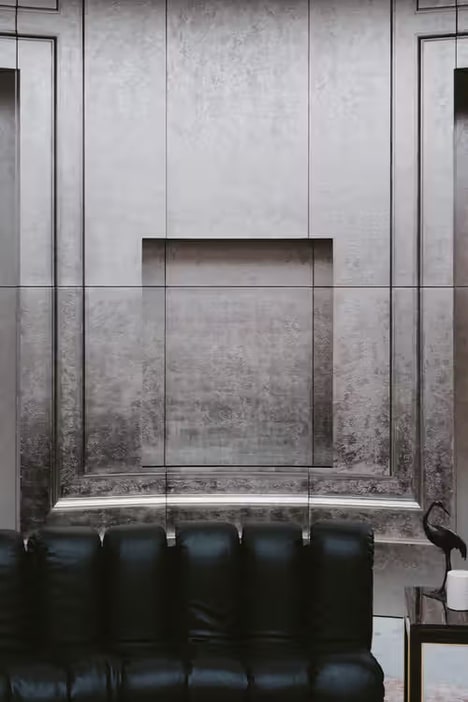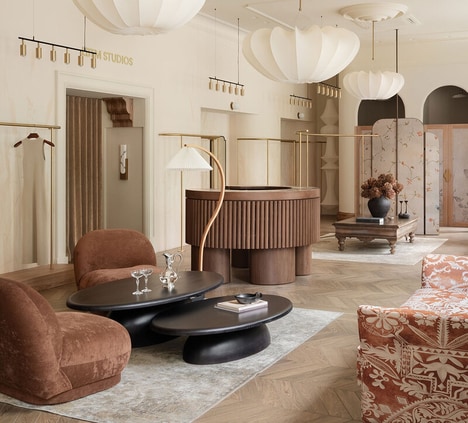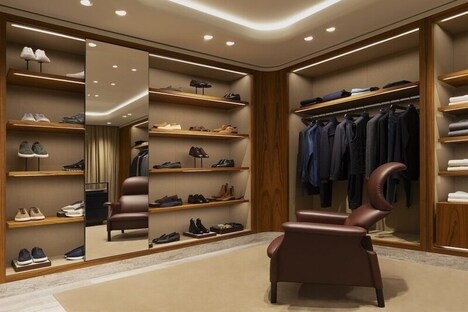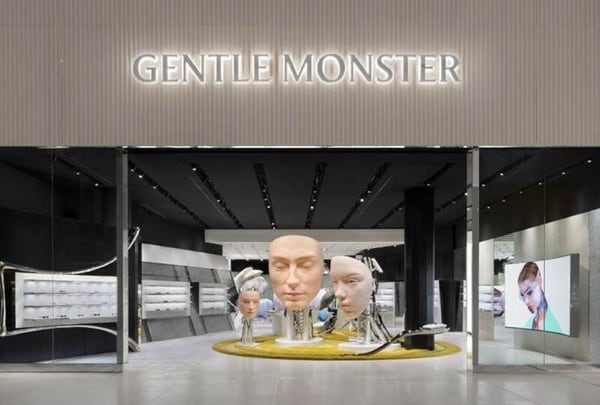
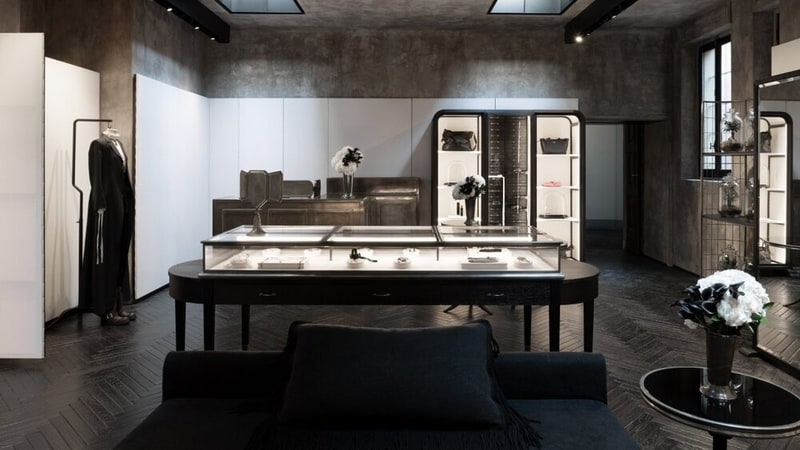
The fashion brand Ann Demeulemeester has opened a new boutique in Milan. Located at Via Monte Napoleone 22 inside a former refectory, this is only the second mono-brand store worldwide after the original flagship in Antwerp.
Creative Director Stefano Gallici has designed the Ann Demeulemeester boutique in Milan as more than a simple point of sale. It is conceived as an immersive environment where time, silence, and materiality allow customers to move through and discover the brand's visual language at their own pace. The location within a former refectory also adds architectural interest and a sense of discovery that appeals to shoppers who value uniqueness and atmosphere.
The boutique serves as a venue for an exclusive preview of the Spring 2026 collection. It also functions as a cultural hub where fashion, music, art, architecture, and creative vision coexist in balance.
Image Credit: Ann Demeulemeester, hypebeast
What's Driving This Trend
- Immersive Slow Retail
- Boutiques designed as contemplative environments prioritize extended customer engagement over rapid transactions, enabling retail formats that blur shopping and cultural experience.
- Adaptive Cultural Boutiques
- Multiuse storefronts that combine fashion, music, art and architecture create platforms for brands to present seasonal collections alongside cultural programming, shifting the role of retail into a neighborhood cultural node.
- Heritage Space Reuse
- Repurposing historic interiors such as refectories for mono-brand stores leverages architectural uniqueness to differentiate retail experiences and attract clientele seeking authenticity.
Who This Affects Most
- Luxury Fashion Retail
- Flagship stores reconceived as immersive environments enable high-end brands to cultivate deeper narratives and justify premium pricing through curated sensory and temporal experiences.
- Experiential Hospitality
- Hospitality concepts that integrate retail and cultural programming can shift guest expectations toward stays defined by discovery and creative crossover rather than mere accommodation.
- Cultural Real Estate
- Owners of historic and architecturally significant properties may find new valuation models by leasing spaces to brands seeking atmospheric backdrops, transforming asset use into experiential platforms.