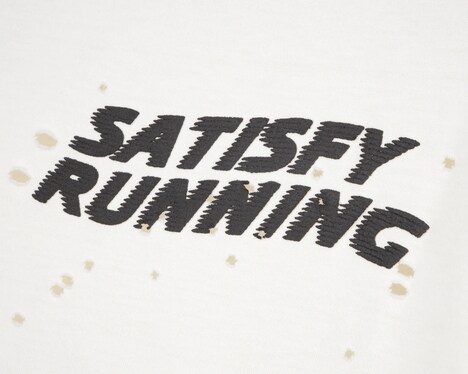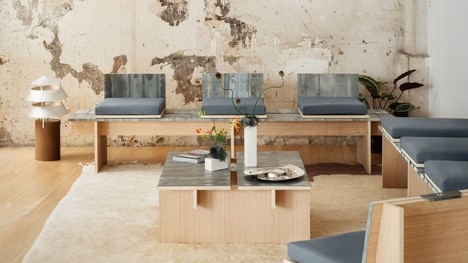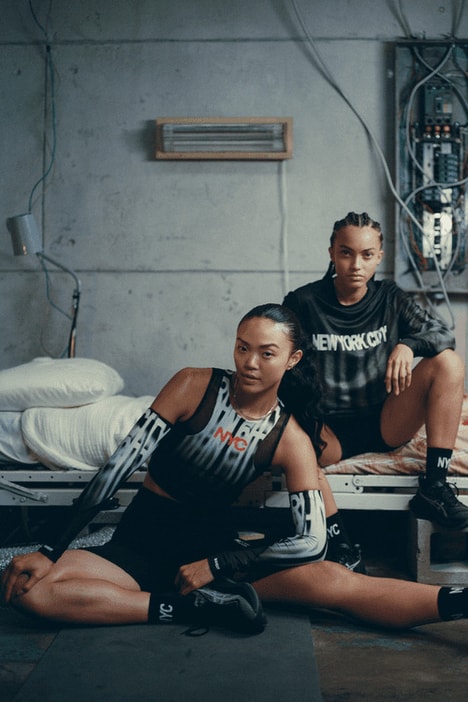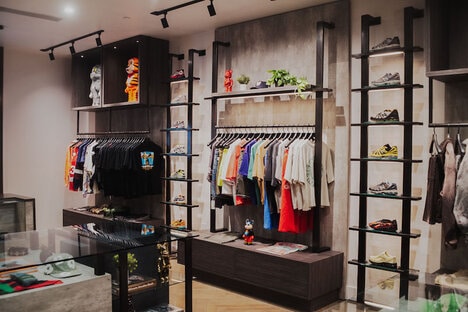
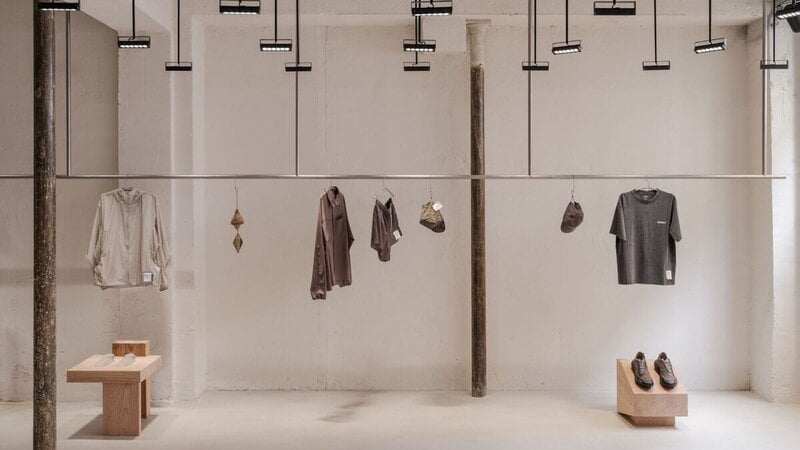
Satisfy is bringing its running universe into physical retail with a Paris flagship where visitors can shop, grab coffee, and meet before or after a run. In the Marais, the brand's first physical store spans two locations facing each other on Rue de Saintonge, with 'Supply' for apparel and shoes and 'Fuel Station' for drinks.
Inside Supply, Ciguë keeps the room nearly bare, using a large desert mural by Othelo Gervacio to set the mood rather than filling the walls with merchandise. Fuel Station extends that stripped-back approach by labeling beverage categories as pre-high and post-high, giving runners an easy stop whether they need a lift or a cooldown ritual.
For brands, the move reframes sports retail as a community touchpoint rather than a pure sales floor. Running labels seeking the same kind of loyalty now have to build spaces that support group habits and conversation, not just technical product displays.
Image Credit: Maris Mezulis
Why This Trend Is Growing
- Split-concept Retail
- Dividing flagship spaces into specialized zones for products and rituals creates new ways for brands to shape customer journeys beyond conventional merchandising.
- Run Community Hubs
- Physical stores centered on meetups, coffee, and pre- or post-run routines strengthen loyalty by embedding brands into athletes' social habits.
- Minimalist Experience Design
- Sparse interiors with immersive visual cues shift attention from product density to atmosphere, giving retailers room to differentiate through mood and identity.
Industries Being Reshaped
- Sportswear
- Running apparel and footwear brands can evolve stores into lifestyle destinations that connect technical gear with community rituals.
- Specialty Coffee
- Beverage operators tied to fitness culture gain relevance by serving functional moments around energy, recovery, and social connection.
- Retail Design
- Design studios have growing opportunities to create modular, experience-led environments that balance commerce, hospitality, and brand storytelling.