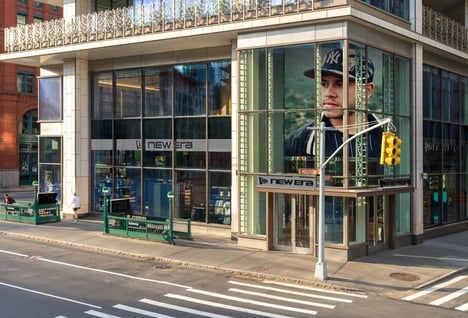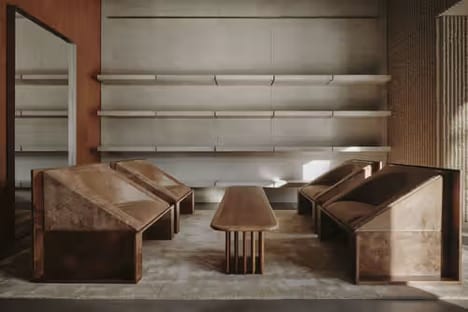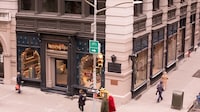
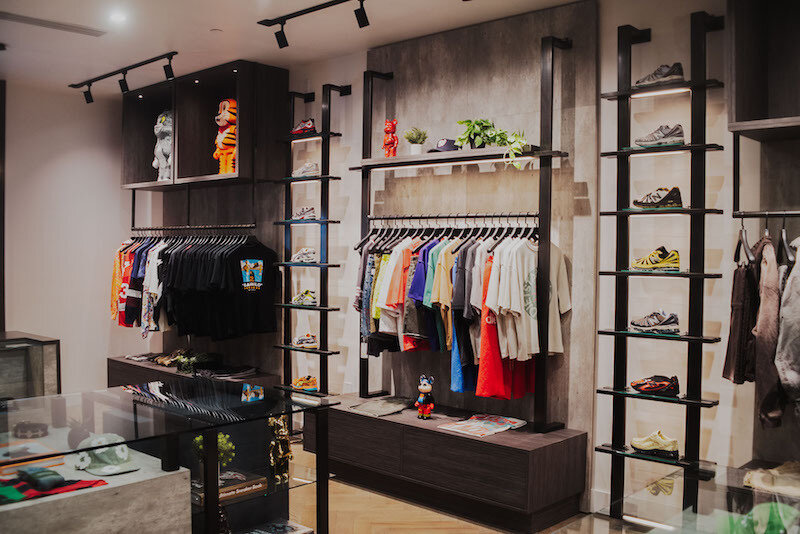
Social Status opened a new Pittsburgh flagship that fuses fashion with hospitality, featuring a 6,853-square-foot building designed to combine shopping, food, drinks, music and cultural programming. The three-level venue includes 6,223 square feet of interior retail and lounge space, plus a 630-square-foot rooftop deck, treating time spent in the store as part of the broader brand experience.
The first floor pairs the primary retail area with a bar and lounge, while the second level adds another full bar, additional lounge seating and rooftop access. Programming will range from workshops and conversations to music experiences, dining events and local collaborations. The layout encourages lingering and discovery by placing hospitality amenities alongside curated merchandise.
For consumers, this model reframes retail service as hospitality, allowing visitors to shop and stay for food, conversation or events. The experience-led format reflects a broader retail trend toward community-centered destinations while supporting The Whitaker Group’s strategy of combining commerce, dining and cultural programming to deepen customer relationships.
Image Credit: Social Status
What Makes This Trend Stand Out
- Hospitality-led Retail
- Stores that blend shopping with lounges, bars, and dining create new revenue layers while transforming dwell time into a measurable brand asset.
- Community-centered Flagships
- Flagship locations anchored by workshops, music, and local collaborations position retail spaces as cultural gathering hubs with stronger customer loyalty potential.
- Experience-driven Commerce
- Retail formats that treat browsing, socializing, and entertainment as one continuous journey expand opportunities for differentiated brand ecosystems.
Sectors Adopting This
- Retail
- Fashion and lifestyle retailers can reshape physical stores into hybrid commerce venues that compete on atmosphere, programming, and community relevance.
- Hospitality
- Bars, lounges, and dining concepts embedded within retail environments broaden hospitality's role in lifestyle branding and experiential customer engagement.
- Real Estate
- Mixed-use retail spaces designed for events, food, and social interaction increase the value of brick-and-mortar properties as destination-based assets.