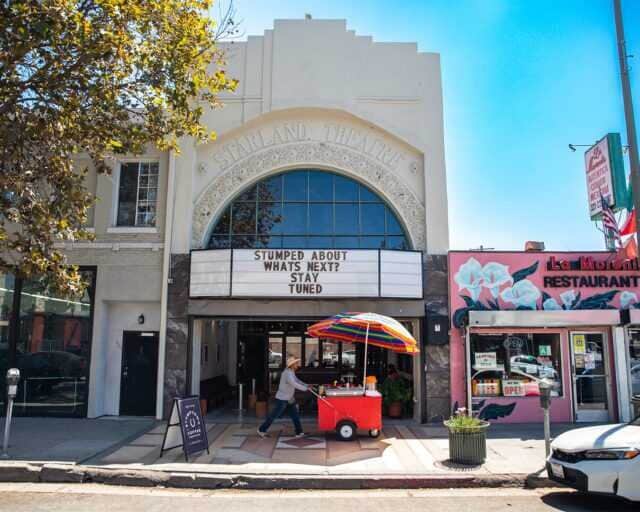
Stumptown Coffee’s Starland Café in Los Angeles pairs a public flagship with an embedded regional Training Lab, featuring hands-on barista education and a retail coffee bar under one roof. The space revives the historic Starland Theatre facade and effectively reunites Stumptown’s LA flagship and training functions in a single location. This is the brand’s eighth U.S.-based cafe.
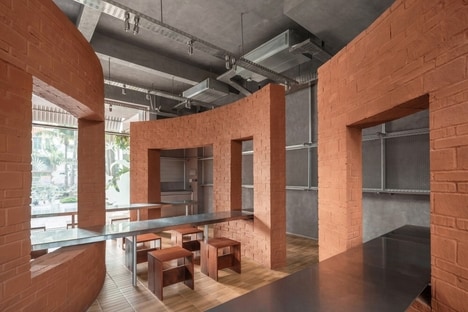
The interior was adapted with exposed brick, warm wood and design touches by Klein Agency, keeping theater-era terrazzo at the entry. Equipment includes a custom-painted cream two-group Linea PB/2AV, three Mazzer grinders (one Rober S and two Kony S) for Hair Bender Blend, Trapper Creek Decaf and a rotating single-origin espresso, plus a Mazzer ZM for batch brew. Small Stumptown “easter eggs” appear throughout the fit-out.
The Training Lab-in-cafe model makes barista skills visible to customers and wholesale partners, turning education into an everyday service benefit. The approach creates a distinctive, community-focused cafe experience while giving Stumptown a platform to support local wholesale relationships and future growth in LA.
Image Credit: Stumptown Coffee
Key Themes Behind This Trend
- Training-linked Retail
- Combining customer-facing cafes with professional education spaces creates experiential venues where service quality, brand authority, and partner support become part of the same offering.
- Visible Skills Education
- Public-facing training environments transform behind-the-scenes expertise into a brand asset that can deepen customer trust and make craft processes more engaging.
- Heritage Adaptive Cafes
- Revived historic spaces with modern hospitality functions can differentiate flagship locations while connecting contemporary retail experiences to local cultural memory.
Where This Applies
- Specialty Coffee
- Embedded training labs inside flagship cafes expand the role of coffee retailers from beverage sellers to education-driven ecosystem builders.
- Hospitality Design
- Adaptive reuse projects that preserve architectural character while supporting operational training needs create new value for brands seeking distinctive community spaces.
- Foodservice Education
- Hybrid learning-and-retail formats introduce scalable models for professional development that are integrated directly into everyday consumer environments.