Clothing manufacturers are turning to lyocell fibre to reduce eco footprints
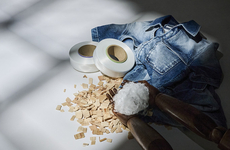
Trend - Clothing brands are increasingly integrating lyocell fibres into their collections as a sustainable alternative to traditional textiles. Derived from wood pulp processed in a closed-loop system, lyocell offers a low-impact production process that uses less water and fewer chemicals.
Insight - The eco-conscious consumers of today expect more than just style—they demand sustainable practices and improved transparency in the products they purchase. With growing awareness of resource depletion, waste, and environmental degradation spurred by fast fashion, the pressure on clothing brands to adopt greener materials is mounting. In turn, clothing brands are meeting these evolving expectations by providing a biodegradable, renewable lyocell fibre that minimizes water consumption and waste.
Insight - The eco-conscious consumers of today expect more than just style—they demand sustainable practices and improved transparency in the products they purchase. With growing awareness of resource depletion, waste, and environmental degradation spurred by fast fashion, the pressure on clothing brands to adopt greener materials is mounting. In turn, clothing brands are meeting these evolving expectations by providing a biodegradable, renewable lyocell fibre that minimizes water consumption and waste.
Workshop Question - How can your brand leverage sustainable materials to address growing eco-conscious consumer expectations while maintaining product quality and transparency?
Trend Themes
-
Sustainable Textiles — Increasing consumer demand for eco-friendly materials has stirred an innovative shift toward fabrics like lyocell, which promise a reduced environmental footprint.
-
2000s Nostalgia in Fashion — The revival of early 2000s fashion trends offers disruptive potential for new collections that mix vintage aesthetics with modern, sustainable materials.
-
Collaborative Fashion Drops — Fashion brands are leveraging collaborations with well-known influencers to create limited-edition drops that merge distinct styles and promote sustainability.
Industry Implications
-
Textile Manufacturing — Evolving consumer preferences are prompting manufacturers to innovate with renewable resources, driving a surge in demand for sustainable textiles such as lyocell.
-
Fashion Retail — As sustainability becomes a key consideration for consumers, fashion retailers are innovating by integrating eco-friendly materials and practices into their offerings.
-
Influencer Marketing — The intersection of fashion and influencer culture is creating opportunities for brands to engage with new audiences through curated and sustainable collection drops.
5 Featured, 18 Examples:
13,896 Total Clicks
Date Range:
Nov 24 — Jun 25
Trending:
Mild
Consumer Insight Topics: