Category
Autos
Climate Buffer
Automakers tailor battery-powered utility models to distinct daily roles.

What's Happening
Purpose Tuning: Automakers are moving away from treating electrified utility vehicles as their star format. New releases split the category into city-focused, leisure-oriented, and performance-led models with different seating, drivetrains, and use cases, in order to attract hyper-specific consumer demographics. As such, charging speed, dual-motor configurations, and range-extending setups are becoming key selling points rather than baseline specs.
Why It's Happening
Consumers are not all approaching battery-powered driving with the same constraints. Some need models suited to urban life, some want longer leisure use, and others still expect speed and all-weather capability from the same purchase category. The core tension is convenience versus specialization.
Buyers may be open to electrified transport, but only when the format feels designed for their actual routine rather than asking them to adapt to a generic model. Brands are positioning these features as ways to make battery-powered driving fit more routines, while also matching electrified vehicle formats to market readiness instead of launching one universal offer everywhere.
Evidence
MOKE Introduces Mk2 With a 170km Driving Range
Compact specialty EVs are expanding the electric mobility market beyond commuting, highlighting growth potential in vehicles designed for recreation, tourism, and short-range life…
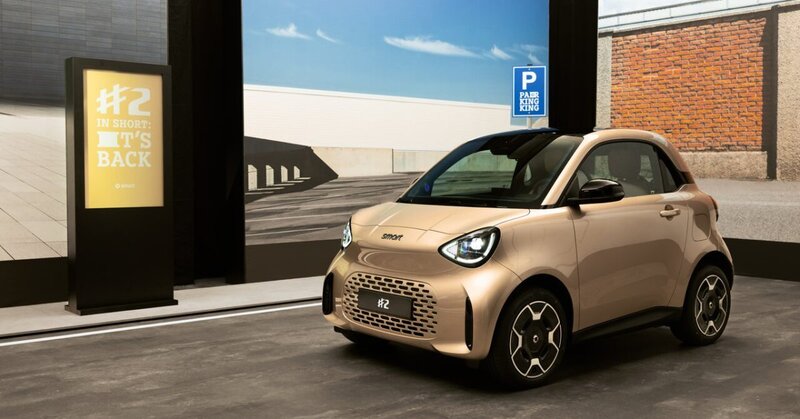
Smart Revives Its Two-Seat Fortwo Formula with a 290 km EV
Urban EV specialization is reshaping product portfolios by separating compact city use cases from broader family-car expectations.
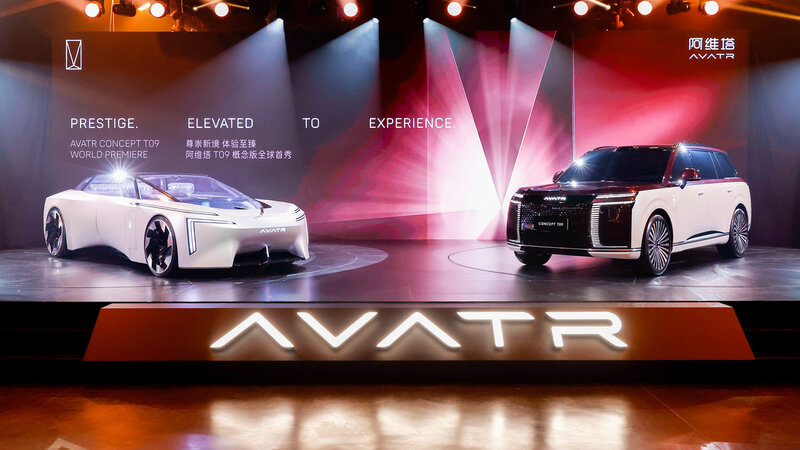
Avatr Brings an Eight-Model Electric Lineup to Norway and Spain
Expanded electric lineups from emerging global brands are increasing competitive pressure on established automakers across price points and body styles.
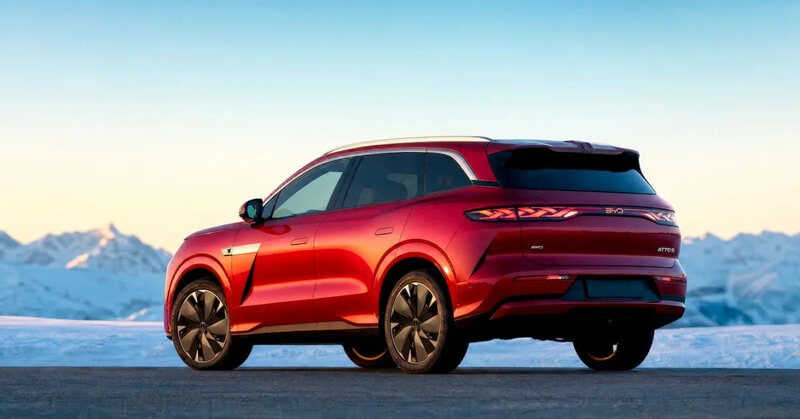
BYD Combines Seven Seats With Five-Minute Fast Charging
Automotive brands can differentiate through charging speed, passenger capacity, and long-range performance as mainstream buyers compare EVs with combustion SUVs.
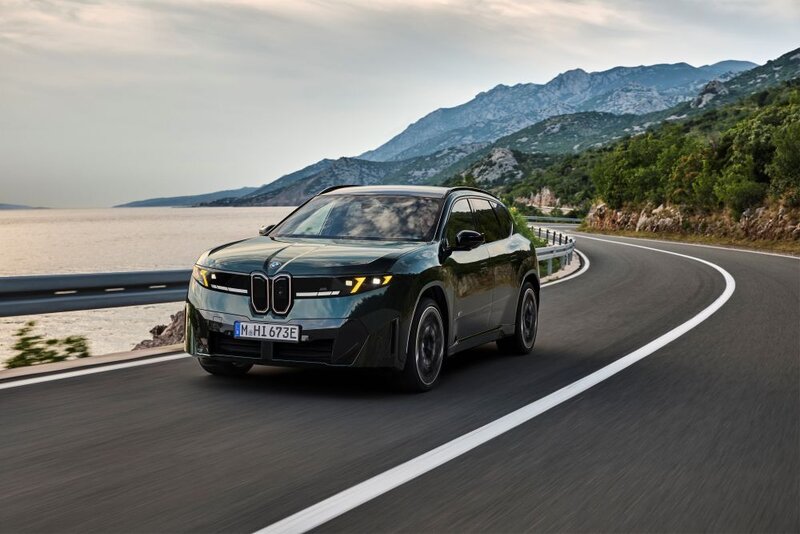
BMW Introduces the 612-HP iX3 M60 xDrive
Premium battery-electric models are expanding into performance-focused categories where range, charging speed, and power delivery define competitive value.
Workshop question
How could your brand turn one emerging technology into offers built for clearly different daily use cases?
Trend themes
Battery-powered utility models are being segmented around commuting, family travel, recreation, and performance, creating room for modular vehicle platforms that serve narrower daily-use identities.
Ultra-fast charging and range-extending systems are shifting from technical specifications into lifestyle assurances, opening space for services and infrastructure that make electric ownership feel closer to refueling.
Phased market entries and region-specific model mixes reflect a move away from universal launches, with opportunities emerging in adaptive distribution, support networks, and aftersales ecosystems.
Industry implications
Vehicle makers are redefining electrified portfolios around specialized use cases, allowing new entrants and legacy brands to compete through sharper fit rather than broad-market sameness.
Public and destination charging networks are becoming central to vehicle appeal, making speed, placement, reliability, and payment simplicity key areas for differentiated value.
Rental, subscription, and test-drive models can help niche electric vehicles reach consumers whose needs are seasonal, urban, recreational, or still shaped by ownership hesitation.
Trajectory
Latest reading 6.6 for the week of Oct 12, 2026. Holding over the final 3 scored weeks (±0.0), at its peak of 6.6. Momentum 3.2/10, persistence 2.5/10.
15 Trend Hunter articles were grouped into the wider weekly cluster this trend was identified in, over 2 weeks.
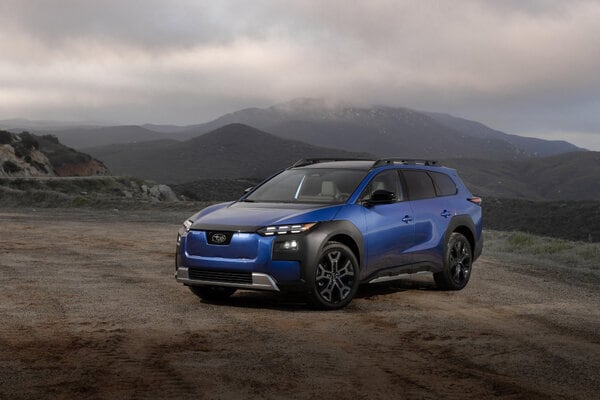
 Cold-Weather Electric SUVsSubaru Trailseeker Maintains Charging Speeds in Low Temperatures
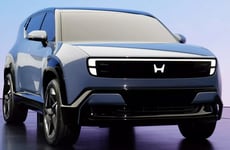 In-Road EV ChargersHonda Preps Taisei-Built Roads for Wireless EV Charging
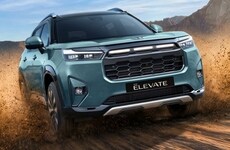 Rugged Subcompact SUVsHonda Adds Cooled Seats in Both Rows to the Facelifted Elevate
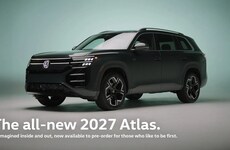 Refined Three-Row SUVsVolkswagen Gives the 2027 Atlas a 15-Inch Screen and 282 hp
 Ultra-Fast EV ChargersEVgo Develops a 750kW Charging Architecture
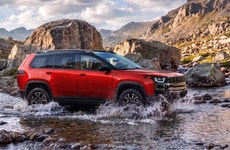 Hybrid Off-Road SUVsJeep Cherokee Trailhawk Combines Efficiency with Trail Capability
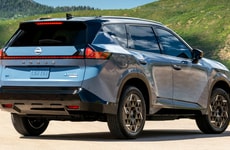 Self-Charging Hybrid SUVsNissan Brings Its Electric-Drive Hybrid System To The Rogue
 Electric AWD Performance CrossoversLancia Puts 370 hp Behind the HF Integrale Badge
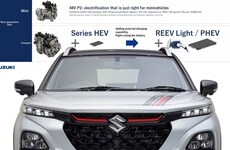 Compact Range ExtendersSuzuki Brings Plug-In Range Extension To Its Smaller Hybrid Platform
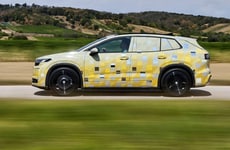 Renamed Electric Crossover RefreshesVolkswagen Reworks Its EV as the ID.Tiguan