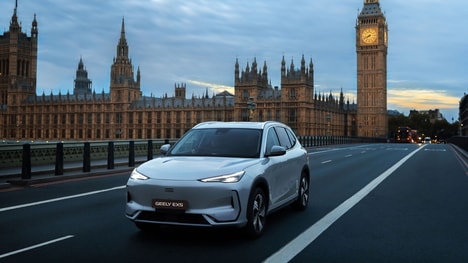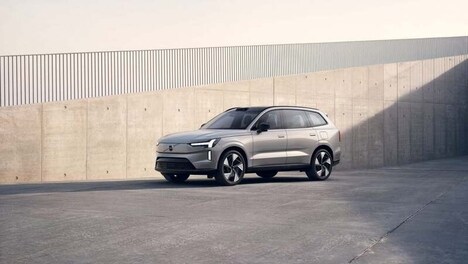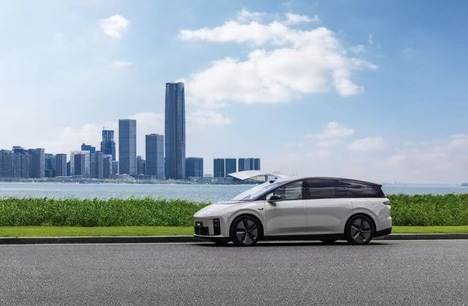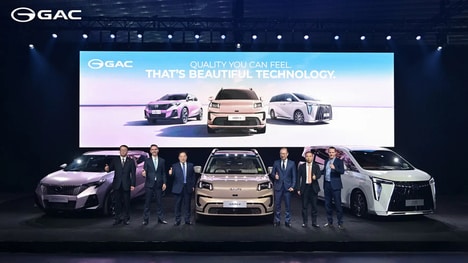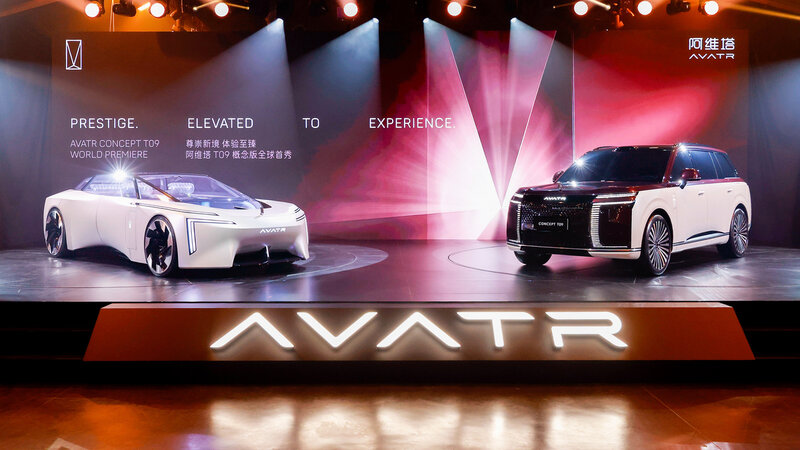
Avatr is entering Europe with an eight-model electric lineup tailored for buyers in Norway and Spain. The Chinese brand will start its rollout next year, offering European customers a broader choice than a single-model debut and introducing the '06T' estate and '07L' SUV among the first arrivals.
The lineup spans eight models over the next three years, and Avatr says its 'T09' will sit at the top as a full-sized SUV. That range gives the brand room to cover more body styles and price points as it builds local sales and service support.
A phased European rollout like this turns market entry into a longer build-out rather than a one-off debut. The spare-parts logistics system and roadside assistance should make the brand easier to buy from once local dealers are in place, which matters in a new region where support can be as important as the badge.
Image Credit: Carscoops
What Makes This Trend Stand Out
- Phased EV Expansion
- Staggered model launches create openings for automakers to test demand, refine localization, and build customer confidence before scaling across Europe.
- Multi-body Electric Lineups
- Broader EV portfolios spanning estates, SUVs, and premium models reflect a shift toward segment-specific electrification rather than single-vehicle market entry.
- Support-led Market Entry
- After-sales infrastructure, spare-parts logistics, and roadside assistance are becoming key differentiators for new automotive brands entering unfamiliar regions.
Sectors Adopting This
- Electric Vehicles
- Expanded electric lineups from emerging global brands are increasing competitive pressure on established automakers across price points and body styles.
- Automotive Retail
- Dealer networks with localized service capabilities can become strategic gateways for new entrants seeking trust in mature European markets.
- Mobility Services
- Roadside assistance and ownership support ecosystems are gaining relevance as EV adoption expands beyond early adopters into mainstream customer segments.