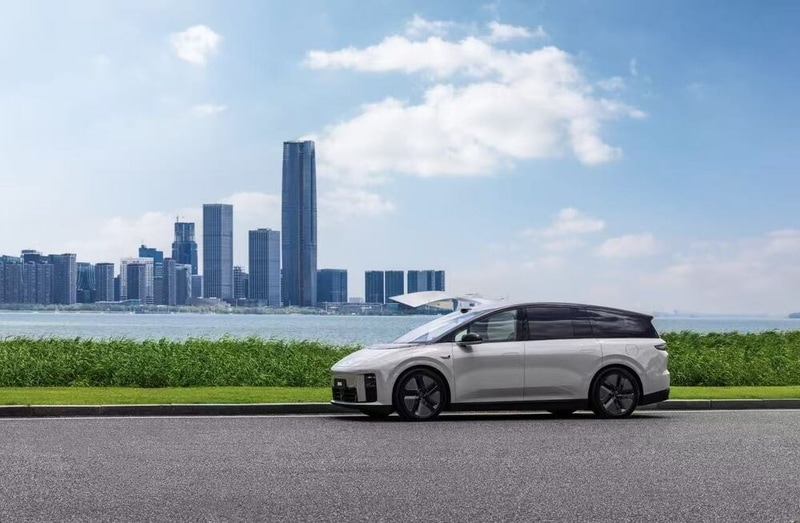
Li Auto has formally joined the EU-China Chamber of Commerce and opened an overseas expansion division as it accelerated its entry into Europe, featuring a newly established German R&D center and its first overseas store opened in late 2025. The move followed a broader wave of Chinese startups expanding into Europe, where firms like NIO, XPENG and ZEEKR pursued market entry with varied localization tactics.
Different brands adopted distinct playbooks: NIO exported a full ecosystem including battery swap stations and energy services; XPENG paired manufacturing partnerships with European R&D to localize software and models; Leapmotor used a joint venture with Stellantis for rapid channel access. ZEEKR and Voyah emphasized design and regulatory adaptation to meet European safety and user expectations.
For consumers, these launches promise more EV choices and competitive pricing while highlighting divergent technology routes—extended-range hybrids, plug-in hybrids and pure EVs—that align with Europe’s uneven charging infrastructure and shifting policy landscape. Li Auto’s institutional ties and localized engineering aim to translate its EREV expertise into niche European appeal.
Image Credit: Li Auto
Key Themes Behind This Trend
- Chinese Ev Oems Localized Expansion
- Growing institutional ties and European R&D centers by Chinese OEMs create opportunities for differentiated vehicle architectures and software stacks tailored to regional preferences.
- Diverse Powertrain Strategies
- The coexistence of extended-range hybrids, plug-in hybrids and pure EVs in market entries points to business models that bridge infrastructure gaps with modular powertrain platforms.
- Ecosystem Export Versus Local Partnerships
- Contrasting approaches—full ecosystem exports like battery-swap networks versus joint ventures and localized manufacturing—open space for hybrid go-to-market systems combining services, hardware and regulatory adaptation.
Where This Applies
- Automotive Manufacturing
- Localized engineering centers and joint ventures are reshaping production footprints and supplier networks toward flexible, region-specific vehicle variants.
- Energy and Charging Infrastructure
- Battery-swap stations and varied charging strategies indicate potential for integrated energy services that decouple ownership models from charging availability.
- Mobility Retail and Services
- Overseas flagship stores and service ecosystems suggest retail experiences and aftersales models becoming competitive differentiators in market entry.