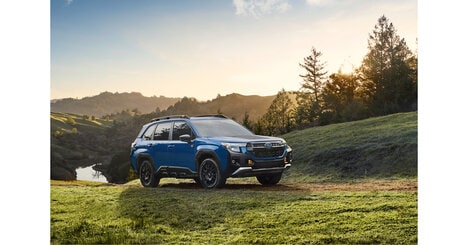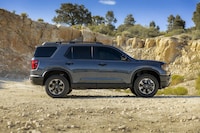
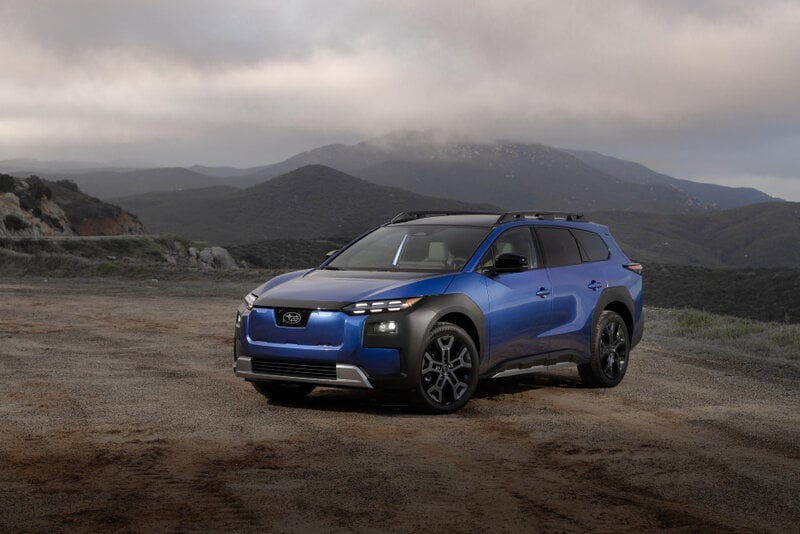
Subaru's new Trailseeker introduces cold-weather electric SUVs designed to make battery charging more dependable in low temperatures. Its built-in battery preconditioning system prepares the battery for faster charging, either automatically through navigation or manually using touchscreen controls. This allows drivers to access charging speeds comparable to normal conditions even when temperatures drop to 14°F.
The 2027 Trailseeker features dual electric motors delivering 375 horsepower, standard all-wheel drive, and up to 281 miles of driving range. Its 74.7-kWh battery supports charging from 10% to 80% in approximately 28 minutes, while a standard NACS port provides access to over 25,000 charging stations across North America.
Starting at $39,995, the SUV gives Subaru a competitive offering for drivers seeking electric performance and outdoor versatility. Its charging capabilities could also strengthen consumer confidence in electric vehicles across colder markets.
Image Credit: Subaru of America, Inc.
Why This Trend Is Growing
- Cold-optimized EV Charging
- Battery preconditioning systems create room for electric vehicles that deliver consistent charging performance in harsh winter climates.
- Adventure-ready Electric Suvs
- All-wheel-drive electric SUVs with long range and rugged positioning expand the appeal of electrification for outdoor-focused consumers.
- Integrated Charging Navigation
- Navigation-linked thermal management reflects a shift toward software-enabled driving experiences that improve EV reliability and convenience.
Industries Being Reshaped
- Electric Vehicles
- Cold-weather performance enhancements could reduce adoption barriers in regions where range loss and slow charging remain key concerns.
- Automotive Software
- Embedded controls for battery preparation highlight growing demand for intelligent vehicle systems that adapt to driving conditions.
- Charging Infrastructure
- Standardized port access and winter-ready charging compatibility strengthen the business case for broader fast-charging networks in colder markets.