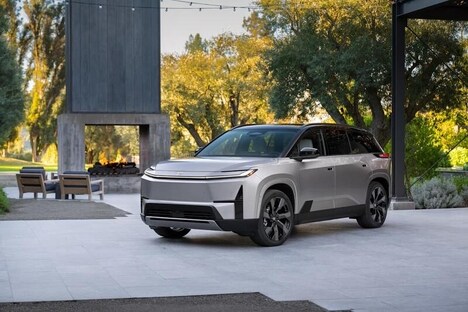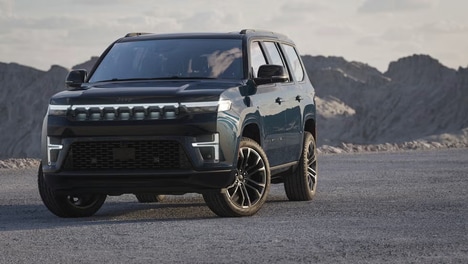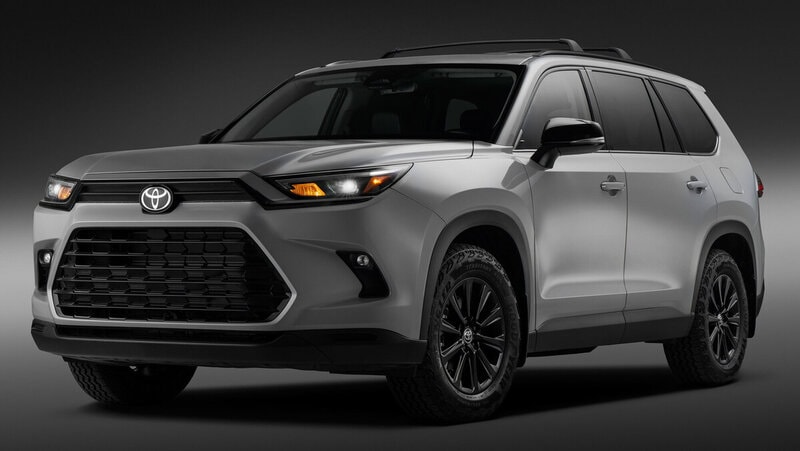
Toyota is expanding its Grand Highlander lineup with adventure-ready hybrid SUVs through the new 2027 Hybrid Woodland Edition. Designed for active families, the model combines a 2.5-liter Hybrid AWD powertrain with 18-inch matte black wheels, all-terrain tires and an additional 12 mm of ground clearance. Practical additions include a removable second-row console that doubles as a cooler, a 1,500W power outlet and a cargo tray with pop-up dividers. Pasted markdown
The Woodland Edition allows Toyota to extend an established family SUV into the growing outdoor lifestyle space without introducing an entirely separate vehicle. Its combination of seven-passenger capacity and adventure-focused features can appeal to families seeking everyday practicality alongside recreational capability. For Toyota, the new grade broadens the Grand Highlander’s customer base while differentiating its hybrid lineup through lifestyle-specific features that could encourage buyers to trade up to specialized trims.
Image Credit: Toyota
Why This Trend Is Growing
- Adventure-ready Family Hybrids
- Family-oriented hybrid SUVs are blending daily utility with trail-capable features, creating white space for lifestyle-specific trims that command premium pricing.
- Built-in Outdoor Utility
- Integrated amenities such as onboard power, modular storage and cooler-style consoles can differentiate vehicles as mobile bases for recreation and family travel.
- Lifestyle-specific Vehicle Trims
- Automakers are extending existing platforms with targeted editions that appeal to niche behaviors without the cost of developing entirely new models.
Industries Being Reshaped
- Automotive
- Hybrid SUV portfolios are evolving through ruggedized variants that help brands compete for consumers seeking efficiency, space and outdoor credibility.
- Outdoor Recreation
- Vehicle-based adventure features are strengthening the connection between transportation and recreation, expanding partnership potential across gear, camping and travel ecosystems.
- Family Mobility
- Multi-passenger vehicles with flexible interiors and activity-ready upgrades are reshaping expectations for family transport beyond traditional commuting and school-run use cases.