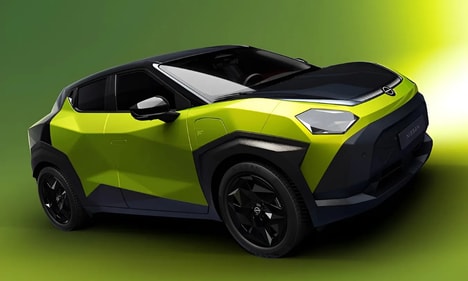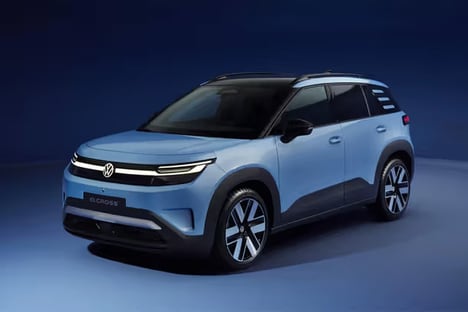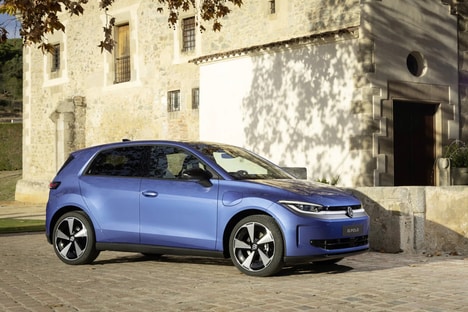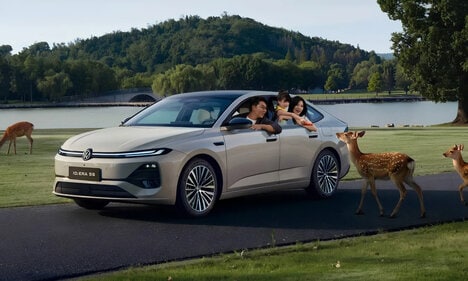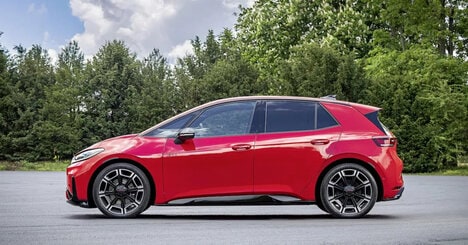
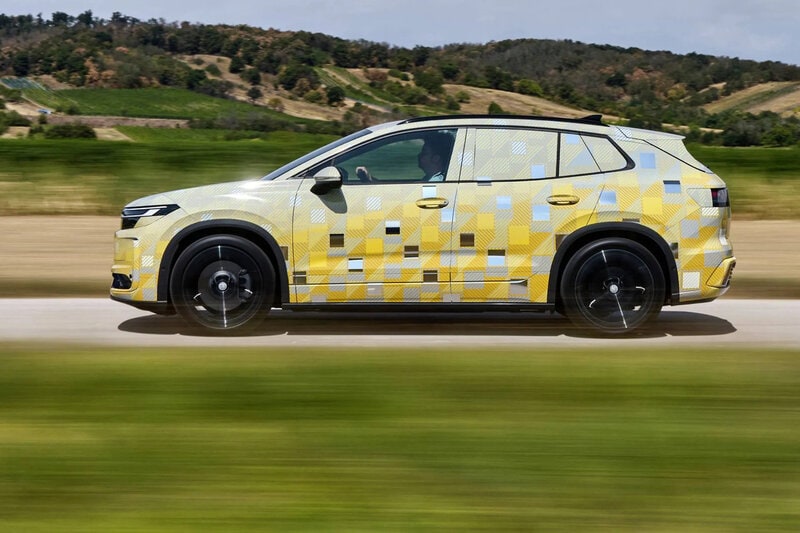
Volkswagen is reworking its electric crossover as the 'ID.Tiguan,' bringing the renamed model to Canada in 2027. The vehicle keeps the ID.4's core setup but adds fresh lighting signatures, a larger driver display and new controls.
Squared-off head- and taillights give the crossover a sharper face, while the bigger screen ahead of the driver should make key info easier to read. The added row of physical buttons below the central display also restores quicker access to common functions, which matters in a vehicle that aims to feel less digital-first.
For shoppers, this means an EV that looks more familiar without giving up its electric identity. It also shows Volkswagen leaning on a well-known badge to make its battery-powered lineup easier to navigate at the showroom.
Image Credit: Volkswagen
Key Themes Behind This Trend
- Heritage EV Branding
- Automakers are pairing electric platforms with recognizable nameplates to reduce shopper uncertainty and create stronger showroom continuity during the transition from gas to battery-powered vehicles.
- Physical-digital Dashboards
- The return of tactile controls alongside larger displays reflects a growing opportunity for interfaces that balance modern software experiences with familiar, low-distraction usability.
- Conservative EV Restyling
- Sharper lighting, squared-off forms and mainstream crossover proportions signal a shift toward electric vehicles that feel approachable rather than radically futuristic.
Where This Applies
- Electric Vehicles
- Renamed and refreshed EV models create space for brands to reposition existing platforms without the cost and risk of developing entirely new vehicle architectures.
- Automotive Retail
- Familiar badges and simplified model naming can help dealerships explain electric options more clearly to buyers comparing them with established combustion models.
- In-car Technology
- Larger driver displays and restored physical shortcuts highlight demand for cabin systems that improve readability, comfort and trust in increasingly software-defined vehicles.