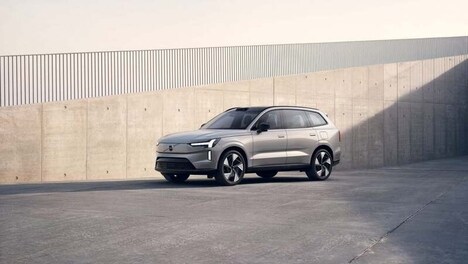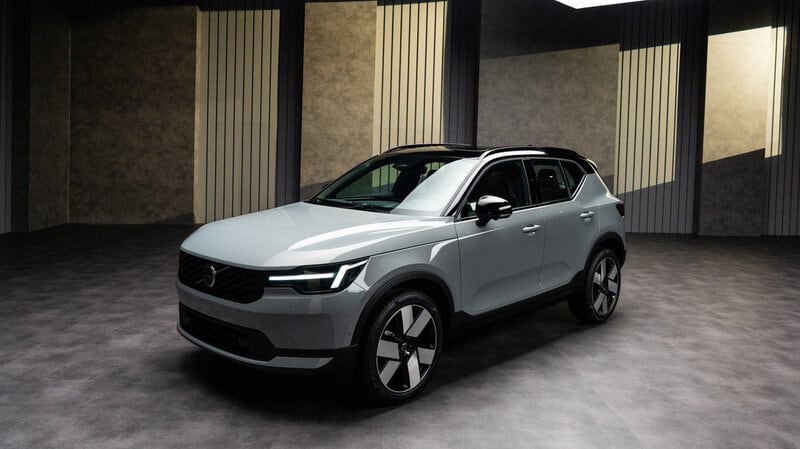
Volvo updated the 2028 XC40, a compact SUV, with a cleaner exterior and a bigger infotainment screen, featuring a simplified front end and a taller 11.2-inch center display. The refreshed face uses reshaped hood and fenders plus revised headlights that keep Volvo's Thor's hammer motif while hiding other lighting elements for a starker look.
The interior adopts Android Automotive with Google Gemini powering infotainment and vehicle-setting controls. Safety hardware was upgraded with high-res cameras, ultrasonic bumper sensors, updated radar and a more powerful central safety controller that supports a 3D vehicle view and an automated lane-change capability within Pilot Assist. The U.S. XC40 will arrive in B5 trim with a 2.0-liter turbocharged four-cylinder, 247 hp, 266 lb-ft, an eight-speed automatic and a small electric assist for about 27 mpg combined.
For buyers, this means a sharper aesthetic, a larger, more capable screen experience and a richer suite of driver aids that lean into enhanced sensing and OTA-ready safety processing.
Image Credit: Tim Stevens, Volvo
Key Themes Behind This Trend
- Minimalist SUV Resculpting
- Cleaner exterior surfacing and hidden lighting elements signal a shift toward premium compact vehicles that differentiate through restrained design rather than aggressive styling.
- AI-native Vehicle Interfaces
- Embedded platforms using Google Gemini create room for more conversational infotainment, unified vehicle controls, and software-defined cabin experiences.
- Sensor-rich Assisted Driving
- Higher-resolution cameras, radar, ultrasonic sensors, and stronger safety processors expand the market for compact vehicles with advanced driver-assistance features once reserved for luxury segments.
Where This Applies
- Automotive
- Compact SUV refresh cycles are becoming software-and-sensing showcases where design, safety, and infotainment upgrades can extend model relevance.
- Mobility Technology
- Advanced driver-assistance ecosystems are opening opportunities around automated lane changes, 3D vehicle visualization, and over-the-air safety improvements.
- In-vehicle Software
- Android Automotive integrations and generative AI assistants are reshaping the dashboard into a connected services platform for navigation, settings, entertainment, and support.