
Category
Autos
Ride Spectrum
Self-driving fleets are being fitted into defined pickup routines.
What's Happening
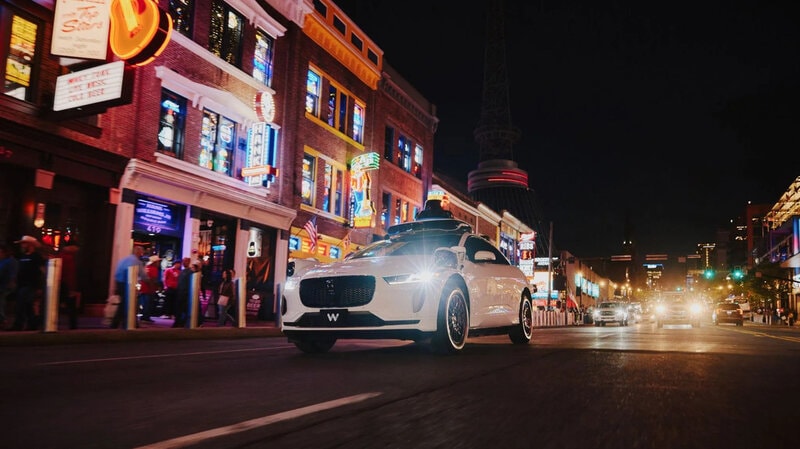
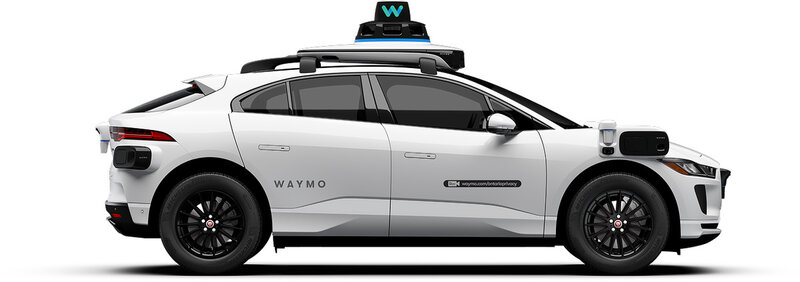
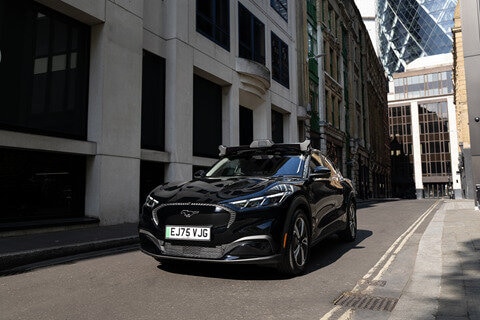
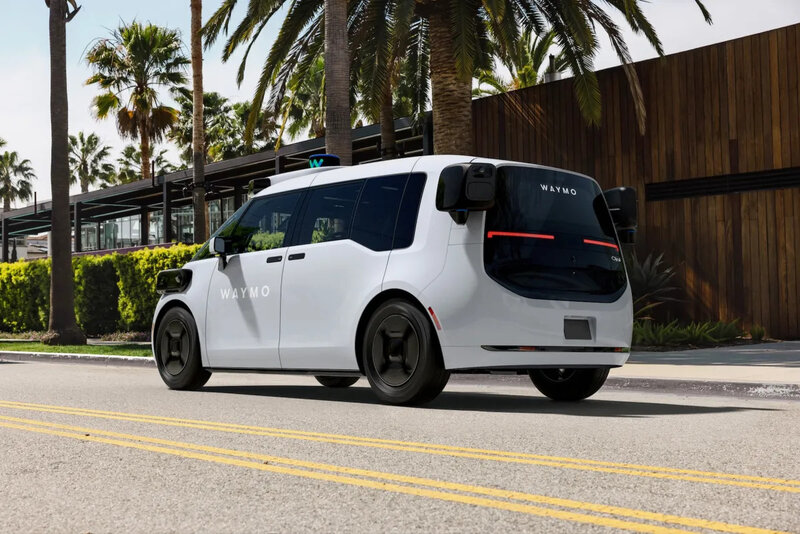
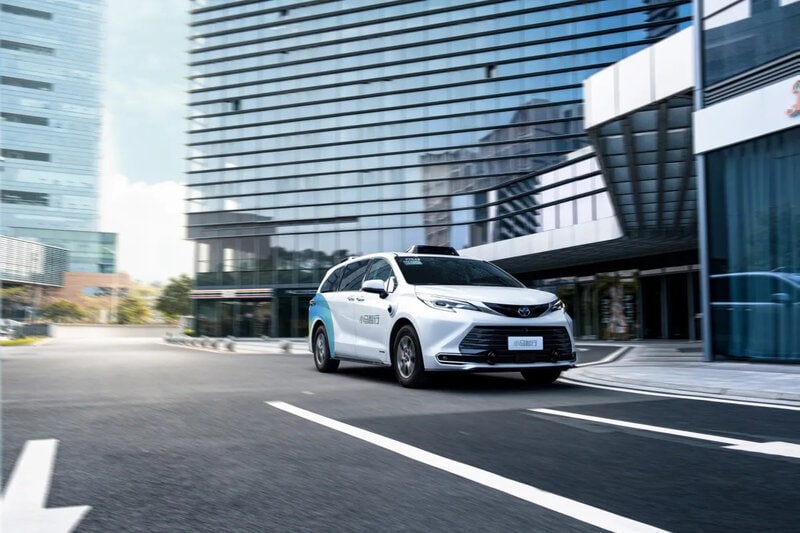
Curbside Handoffs: Operators are introducing autonomous rides through targeted travel scenarios, particularly urban routes and airport transfers, rather than positioning them as universal transportation alternatives. By integrating self-driving vehicles into existing ride-booking platforms, these services become a natural extension of familiar on-demand mobility, supporting a more gradual transition toward autonomous transportation.
Why It's Happening
For riders, the biggest barrier is often not interest but uncertainty around where to board, how the trip starts, and what happens in busy public settings. Defined pickup routines can reduce that ambiguity. Moreover, consumers already understand app-based ride booking, so autonomous services are easier to accept when they fit existing habits rather than asking people to learn a new transport system. Therefore, the takeaway for brands is that automation may gain traction fastest when it is embedded into familiar service moments and operational clarity, not framed primarily as a technology spectacle.
Evidence
Lyft Integrates Waymo Vehicles into Its Nashville Rideshare Network
The integration of autonomous vehicles into existing ride-hailing networks signals new competitive models where platforms combine driver labor, automation, and dynamic routing.
Waymo Starts Mapping Toronto Streets for Driverless Rides
Autonomous ride services introduce new competitive dynamics for transit providers, taxi operators, and mobility apps focused on convenient city travel.
Uber and Wayve Launched Its Wayve AI Driver Service
Autonomous vehicle integration within existing app-based fleets introduces new operating models that could reshape driver utilization, pricing and service differentiation.
Waymo Extends Its Las Vegas Robotaxi Network to Harry Reid Airport
Airport operators can integrate autonomous ride services into terminal logistics, reshaping how passengers move between flights and city destinations.
Uber is Testing Pony.ai as Another Driverless Taxi Partner In London
Autonomous fleets embedded in existing trip-request platforms may shift cost structures, availability patterns, and service expectations across urban mobility markets.
Workshop question
How could your brand fit emerging automated services into a customer routine people already understand?
Trend themes
Clear boarding zones, terminal handoffs, and mapped service areas reduce rider uncertainty, creating space for autonomous mobility brands to compete through operational simplicity rather than vehicle novelty.
Autonomous fleets appearing inside familiar ride-hailing apps show how advanced transportation can scale through existing booking behaviors, payment flows, and customer trust frameworks.
Limited-area launches with safety drivers, partner fleets, and human-driven backups reveal a transitional market where autonomy advances through controlled exposure and layered service reliability.
Industry implications
City transportation networks are positioned to absorb autonomous services through airport corridors, downtown routes, and multimodal pickup points that make driverless travel feel routine.
Airports, hotels, and destination operators can benefit from predictable autonomous transfer models that connect high-volume arrival moments with premium, low-friction ground transport experiences.
Vehicle depots, maintenance systems, and dispatch infrastructure become strategic growth areas as robotaxi networks require scalable support models beyond consumer-facing apps.
Trajectory
Latest reading 6.7 for the week of Oct 19, 2026. Rising over the final 3 scored weeks (+0.9), −1.5 from its peak of 8.2 in the week of Sep 21, 2026. Momentum 3.4/10, persistence 7.5/10.
13 Trend Hunter articles were grouped into the wider weekly cluster this trend was identified in, over 4 weeks.
 AI-Powered Autonomous Driving SystemsVolvo and NVIDIA Develop Safer Automated Driving
 Self-Delivering Rental VansKia Tests PV5 Remote-Driving Car Sharing in Pangyo
 Autonomous Sidewalk DeliveriesDeliveroo and Coco Robotics Bring Robot Deliveries to UK Cities
 Autonomous Fixed-Wing DronesSkydio Combines A 30-Mile Range With Autonomous Dock-Based Drone Oper
 Autonomous Long-Haul FlightsJoby Aviation Has Put Its Autonomy Tech On Its Coast to Coast Flight
 Fast-Route Electric Air TaxisArcher Aviation Prepares Its LA Airport eVTOL Shuttle Network
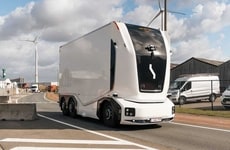 Cabless Autonomous Freight TrucksEinride Launches Its Cabless Autonomous Electric Freight Truck
 Scaled Autonomous FreightGatik Raises $200 Million to Expand Driverless Trucking