Volvo Cars is advancing AI-powered autonomous driving systems through an expanded partnership with NVIDIA, combining intelligent vehicle navigation with its established safety engineering. The technology is being developed to support automated journeys across highways, crowded city streets, and parking areas, reducing the need for continuous driver involvement as capabilities are introduced gradually.
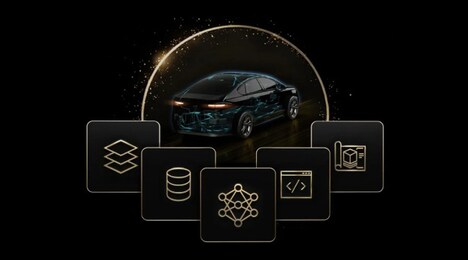
The collaboration integrates NVIDIA's Hyperion sensor and computing architecture with Halos OS and Alpamayo Stack driving software. These technologies will help future Volvo vehicles interpret complex surroundings and make driving decisions. The system is scheduled to debut in a next-generation Volvo model, with plans to progressively introduce eyes-off and mind-off driving.
For Volvo, the partnership strengthens its position in software-defined vehicles while reinforcing its focus on passenger safety. The expanded capabilities could also increase the appeal of upcoming electric models and support the company's broader product expansion.
Image Credit: Volvo Cars
Key Themes Behind This Trend
- Software-defined Vehicles
- Automakers are shifting vehicle value toward updatable operating systems, sensor stacks, and onboard computing that can create recurring software revenue and faster feature deployment.
- Eyes-off Mobility
- Gradual automation across highways, city streets, and parking environments opens space for differentiated cabin experiences, safety assurance services, and premium autonomous driving subscriptions.
- AI Safety Engineering
- Advanced perception and decision systems paired with legacy safety expertise create new potential for trusted automation platforms that distinguish brands in highly regulated mobility markets.
Where This Applies
- Automotive
- Connected electric vehicles with embedded AI computing are reshaping competition around digital performance, autonomous capability, and lifecycle software upgrades.
- Semiconductors
- Demand for high-performance vehicle processors, sensor architectures, and edge AI platforms expands the role of chipmakers as strategic partners in mobility innovation.
- Mobility Services
- More capable automated driving systems may support new service models for premium transport, fleet operations, and hands-free travel experiences.