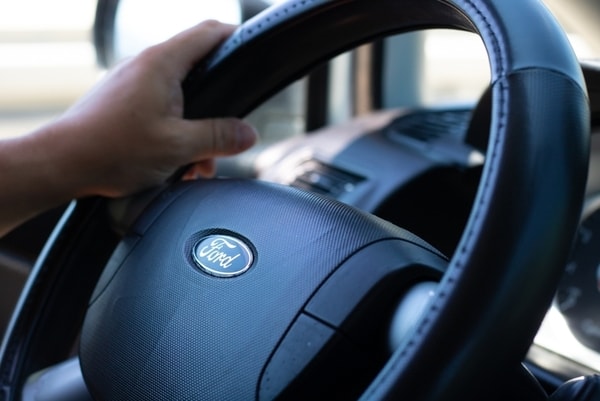
Unveiled in the context of CES 2026, the Tensor robocar represents a move beyond conventional driver-assist systems toward full Level 4 autonomy. This classification allows the vehicle to operate without continuous human attention in supported environments, enabling design changes such as a retractable or hidden steering wheel.
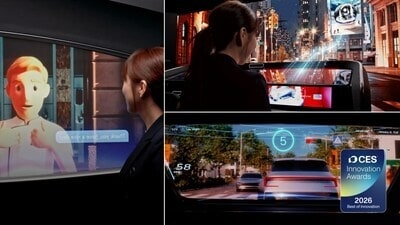
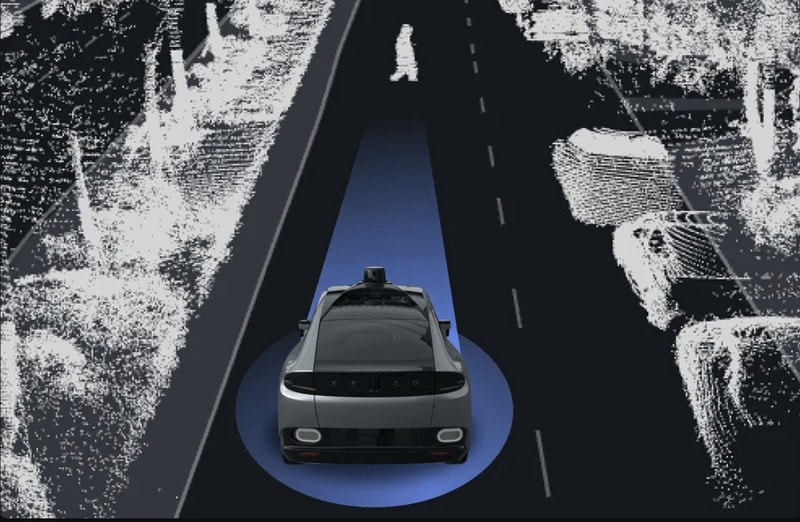
Inside, the robocar emphasizes a passenger-first experience, with individual 13-inch displays for each seat and an interior designed around digital interaction rather than driving controls. From a technology perspective, the vehicle integrates proprietary sensors and on-board AI models to manage navigation, safety, and system optimization without relying entirely on cloud processing. Additional features, including automated self-cleaning functions, point to a broader vision of vehicle autonomy that extends beyond driving alone. While pricing has not been disclosed, Tensor has indicated production is planned for late 2026, positioning the robocar as a longer-term entry into the autonomous mobility market.
Image Credit: Tensor Robocar
Why This Trend Is Growing
- Passenger-first Vehicle Design
- Autonomous vehicles are transforming into digital lounges, prioritizing passenger experience through personalized features such as individual displays and interactive interiors.
- Level 4 Autonomous Mobility
- The advancement to Level 4 autonomy opens new avenues for vehicles to operate independently without constant human oversight, leading to innovative design possibilities like retractable steering mechanisms.
- Integrated Autonomous Systems
- The use of proprietary sensors and on-board AI that function independently of cloud services highlights a shift towards more self-contained and efficient autonomous vehicle technology.
Industries Being Reshaped
- Automotive Technology
- Innovations in the automotive sector are reshaping the industry landscape, as companies develop advanced AI-driven platforms for autonomous navigation and vehicle management.
- Smart Transportation
- Smart transportation systems are evolving rapidly with the integration of highly autonomous vehicles that facilitate a seamless, user-centric travel experience.
- Connected Consumer Electronics
- Connected consumer electronics in vehicles, like personalized infotainment systems, are revolutionizing in-car digital interactions and enhancing passenger satisfaction.