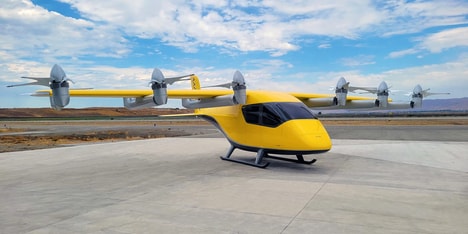
Joby Aviation has put its autonomy technology on an aircraft for a 3,100-mile trip across the United States, with no human pilot taking over. The converted Cessna Caravan carried a pilot only to meet compliance requirements, while the system handled the rest of the journey.
The aircraft managed taxiing, takeoff, route-finding, and landing on its own. It was monitored remotely from California and from Shaw Air Force Base in South Carolina. Joby said the aircraft will head back to the West Coast with stops in Louisville and Salt Lake City over the next two weeks.
The demo points to a broader role for Joby’s autonomy stack beyond electric air taxis. The company says the same tech could support missions such as medical transport, disaster response, and defense logistics, especially on conventional aircraft that can be retrofitted. That makes the flight feel less like a one-off stunt and more like a proof point for a second business built around practical, everyday aviation.
Image Credit: Joby Aviation
What Makes This Trend Stand Out
- Autonomous Cargo Aviation
- Pilotless long-haul systems create new models for overnight freight, regional logistics, and lower-cost air transport across existing aircraft fleets.
- Remote Flight Operations
- Centralized monitoring of aircraft from ground facilities expands the potential for scalable aviation networks with fewer onboard personnel.
- Retrofit Autonomy Platforms
- Adding autonomous systems to conventional aircraft opens a faster commercialization path than waiting for purpose-built electric or next-generation planes.
Sectors Adopting This
- Aviation
- Autonomous control technology reshapes aircraft operations by extending pilot-assist capabilities into taxiing, takeoff, routing, and landing.
- Defense Logistics
- Uncrewed and remotely supervised aircraft provide new capacity for resilient supply missions in contested, remote, or rapidly changing environments.
- Medical Transport
- Autonomous long-range aircraft support more reliable movement of critical supplies, organs, and emergency equipment across underserved regions.