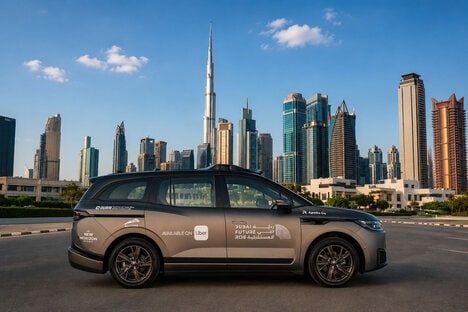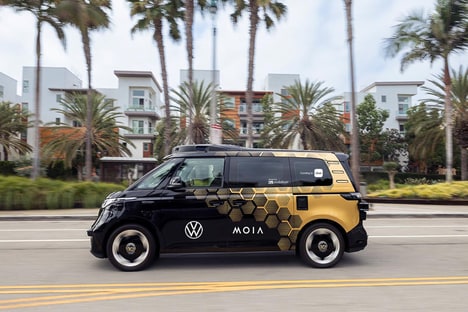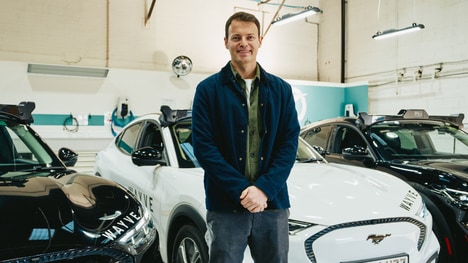
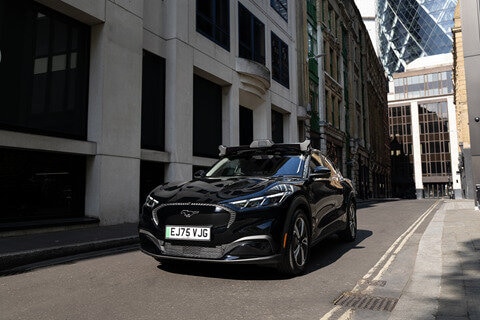
Uber and Wayve have begun offering rides in London using Ford Mustang Mach-Es equipped with the Wayve AI Driver, featuring surround sensors and Wayve’s autonomous driving software. Some UberX, Uber Electric and Uber Comfort requests can now be matched with the vehicles, while a Transport for London-licensed driver remains behind the wheel to intervene if needed.
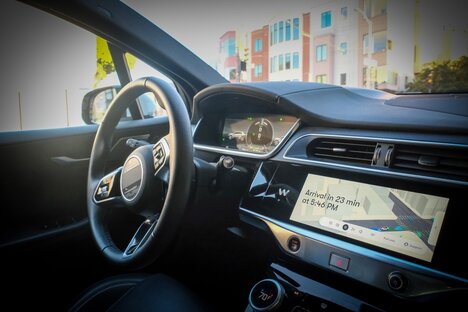
More than 140,000 Londoners have enabled the option through Uber’s Trip Preferences, and passengers can switch to a regular Uber before the vehicle arrives. Wayve says its system has been trained on London roads since 2018, while in-car displays show the planned route and support 64 languages. The service currently operates across London, excluding airports.
For riders, the rollout provides access to AI-assisted driving in real-world urban conditions while retaining a licensed human safety driver. The program also supports Uber and Wayve’s broader plan to bring Wayve-powered vehicles to 12 global markets.
Image Credit: Uber/Wayve
What Makes This Trend Stand Out
- Supervised Autonomous Mobility
- Human safety drivers paired with AI driving systems create a transitional model for building passenger trust while generating real-world performance data in complex city environments.
- Opt-in Robotaxi Experiences
- Passenger-controlled preferences for autonomous ride matching suggest new service tiers where comfort, transparency and choice shape adoption of emerging mobility technology.
- Multilingual In-car Interfaces
- Localized route displays and language support expand accessibility for autonomous transport platforms, especially in diverse global cities with high visitor and resident mobility.
Sectors Adopting This
- Ride-hailing
- Autonomous vehicle integration within existing app-based fleets introduces new operating models that could reshape driver utilization, pricing and service differentiation.
- Automotive Technology
- Sensor-equipped electric vehicles running AI driver software point to growing demand for adaptable autonomy stacks trained on dense urban road networks.
- Urban Transportation
- City-scale trials of AI-assisted rides provide regulators and transit planners with new frameworks for safety oversight, curb management and future mobility infrastructure.