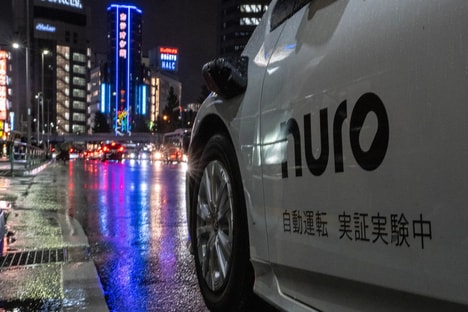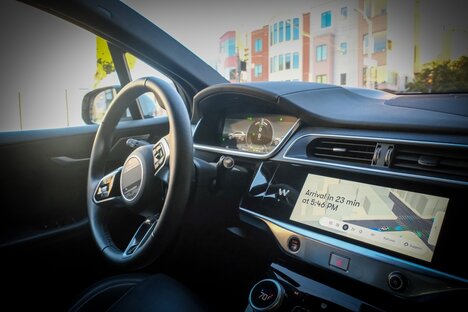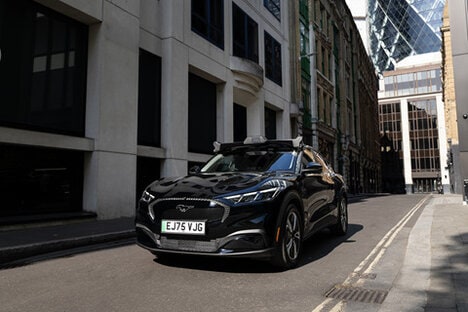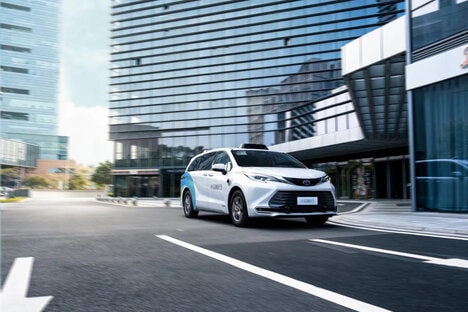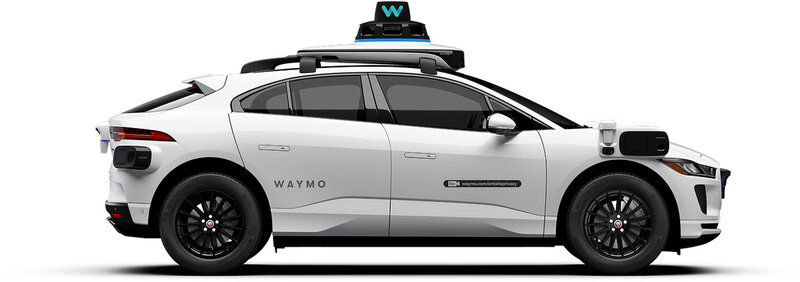
Waymo is highlighting autonomous urban ride services through its Toronto-focused platform, presenting a transportation model that allows vehicles to navigate city streets without human drivers. The Waymo Driver combines advanced sensors, artificial intelligence, and mapping technology to identify surrounding objects, anticipate road conditions, and make driving decisions. This approach aims to provide passengers with a safer and more convenient travel experience.
The platform explains how Waymo's technology detects its surroundings, interprets changing traffic situations, and plans driving routes. It also highlights the company's experience with autonomous vehicles and its emphasis on improving road safety.
For Waymo, introducing its technology to Toronto audiences could build public familiarity with driverless transportation. The initiative may also create future opportunities in Canada's mobility market, although the webpage does not confirm that commercial rides are currently available in Toronto.
Image Credit: Waymo
What Makes This Trend Stand Out
- Autonomous Ride Hailing
- Driverless passenger services signal new mobility models where AI-operated fleets could reduce reliance on private car ownership and reshape urban transportation economics.
- High-definition City Mapping
- Detailed street-level mapping creates opportunities for mobility platforms to localize autonomous systems and build data advantages in complex metropolitan environments.
- AI Traffic Navigation
- Real-time interpretation of road conditions and surrounding objects points to safer, more adaptive vehicle systems that can respond to dense city traffic without human input.
Sectors Adopting This
- Urban Mobility
- Autonomous ride services introduce new competitive dynamics for transit providers, taxi operators, and mobility apps focused on convenient city travel.
- Automotive Technology
- Sensor fusion, artificial intelligence, and vehicle automation are expanding the role of software-defined systems in next-generation transportation platforms.
- Smart Cities
- Connected infrastructure and autonomous vehicle deployment create pathways for cities to modernize traffic management, safety planning, and transportation access.