


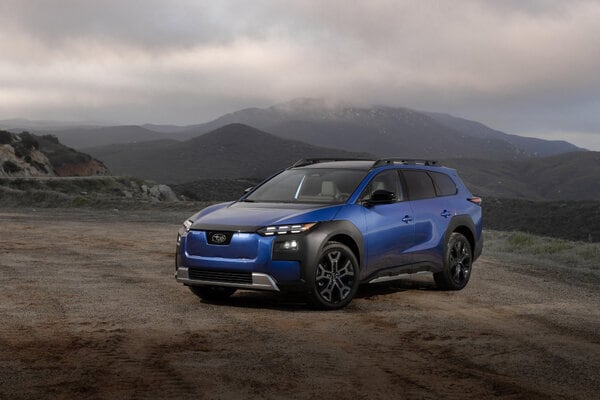
Category
Autos
Climate Buffer
Vehicles merge guidance and visuals into adaptive in-car media.

What's Happening
Driver Display: Automakers are turning the dashboard into a more responsive information layer, where navigation, assistance features, and display content work together instead of appearing as separate tools. In-vehicle interfaces are being built to react to motion and driving context; AI is being positioned as the connective layer, and enhanced digital cabin experiences are being treated as a broader product expectation rather than a premium-only add-on.
Why It's Happening
Drivers increasingly have to balance navigation, entertainment, and safety in the same confined space, creating friction when those systems compete for attention. As consumer technology advances, people expect real-time, adaptive interfaces, but they also want features that support the driving itself rather than add another layer of complexity. For brands, the takeaway is that embedded intelligence may matter most when it reduces interface effort and makes multi-function experiences feel more coherent.
Evidence
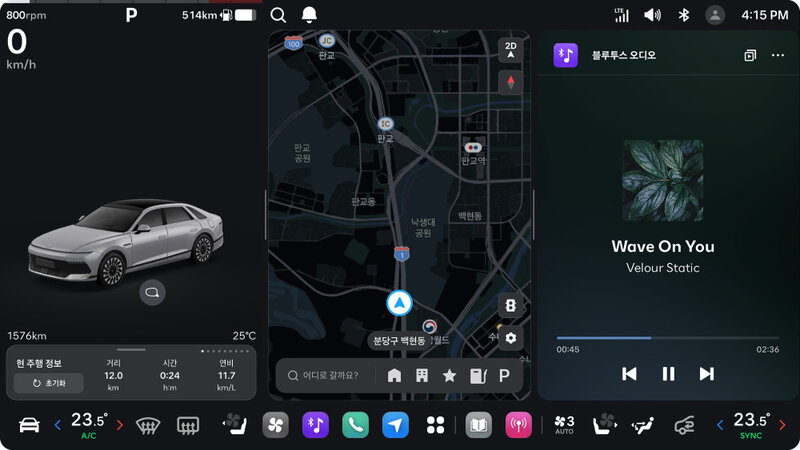
Hyundai's Pleos Connect Brings Gleo AI into the Car
Connected vehicle platforms are creating new differentiation through AI assistants, continuous software upgrades and deeper integration between hardware and digital services.
Volvo Integrates Gemini and Advanced Safety Into the XC40
Established automakers can refresh existing models through AI, sensing and software upgrades that extend product relevance without full redesign cycles.
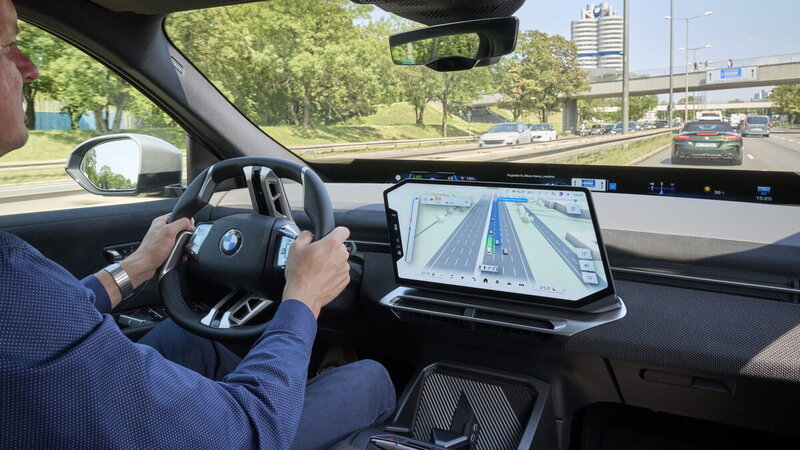
BMW Maps Combines Route Guidance and Driver Assistance
Software-defined vehicle ecosystems gain differentiation through continually updated navigation, perception and assistance layers embedded into the driving interface.
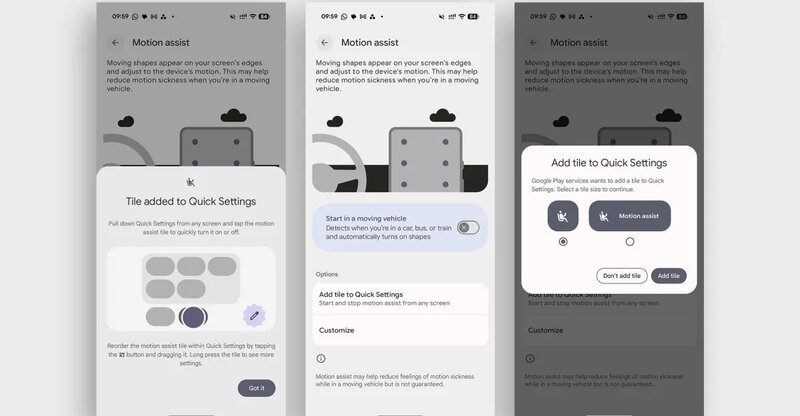
Google's Motion Assist Feature Adds Anti-Nausea Dots
Smartphone platforms can differentiate through context-aware accessibility and comfort tools that expand device usability across travel scenarios.
Workshop question
How could your brand use adaptive interfaces to make complex experiences easier to navigate in real time?
Trajectory
Latest reading 7.0 for the week of Oct 19, 2026. Holding over the final 3 scored weeks (±0.0), at its peak of 7.0. Momentum 4.0/10, persistence 5.0/10, backed by 1 research finding.
7 Trend Hunter articles were grouped into the wider weekly cluster this trend was identified in, over 3 weeks.
Research
Concerned AI Adoption
Consumers are not adopting AI from pure enthusiasm; many are adopting it because it is becoming embedded in default interfaces.
This creates a new design challenge for brands: usefulness alone is no longer enough, because people want reassurance, transparency, and control while still taking advantage of convenience.