



Category
Tech
Delegated Interfaces
Trend
Olfactory Tech: Technology can satisfy many senses, however the relationship between tech and the sense of smell has remained untapped til now. This is due to more than technological advancement. The mainstream acceptance of VR and AR technologies has ushered in a consumer demand for even more immersion. In this regard, integrating scent was the natural next step, and speaks to the importance of maintaining foresight when using new technologies.
Trend themes
Consumers demand for more immersion in VR technology, speakers and other gadgets.
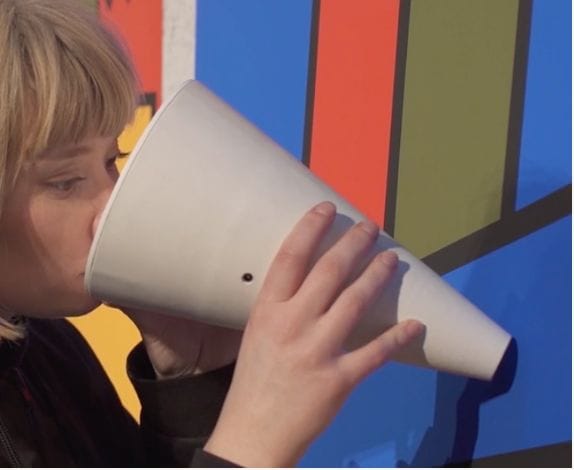
Devices such as the 'Smell of Data' aim to provide a more organic connection of users with their devices to sense data breaches.
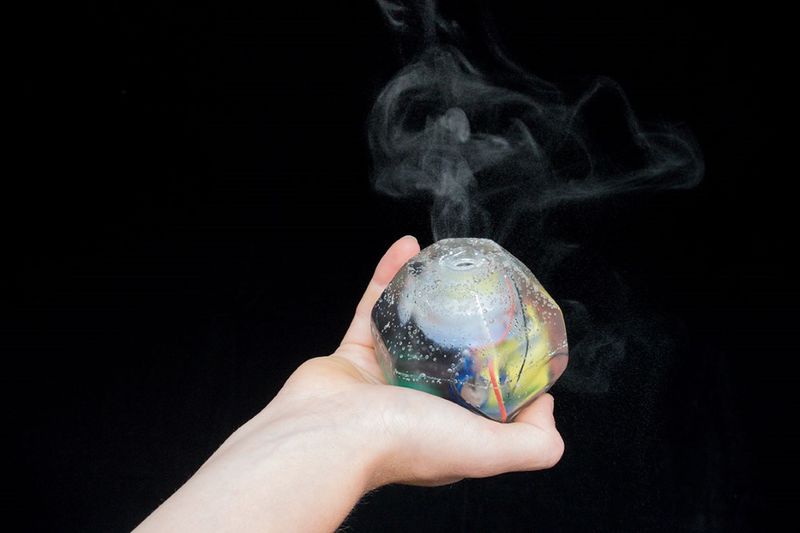
Devices such as the 'Bouquet' turn color into scent, creating an augmented reality.
Industry implications
Integrating scents in VR technology can provide an even greater level of immersion for users.
Utilizing senses such as smell to detect online threats provides a unique security solution for consumers.
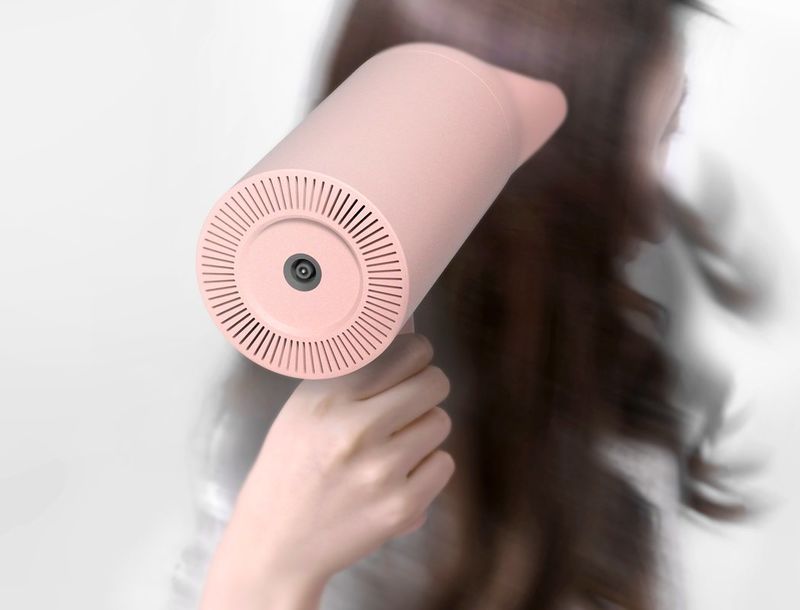
The 'Delicious Dryer' and other scent-infused hair products have the potential to create new multi-sensory beauty experiences.
Workshop question
Trend signals
Trend score 4.0 out of 10, from popularity 69%, activity 43%, freshness 8%.
Evidence
The 'Delicious Dryer' is Equipped with Scent-Infused Cartridges
There is an opportunity for beauty brands to incorporate scent and other sensory elements into their products and tools to enhance the customer experience.
The 'Bouquet' is a Device That Lets Users Smell Color
The color-to-scent translation feature of the 'Bouquet' device presents disruptive innovation opportunities in the children's toy industry, offering a unique interactive and educa…
The 'Smell of Data' Device Warns of Data Breaches with Scent
The development of smell-based devices is an opportunity to enhance the detection of online threats.






