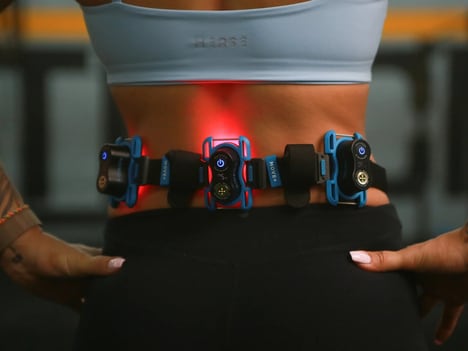
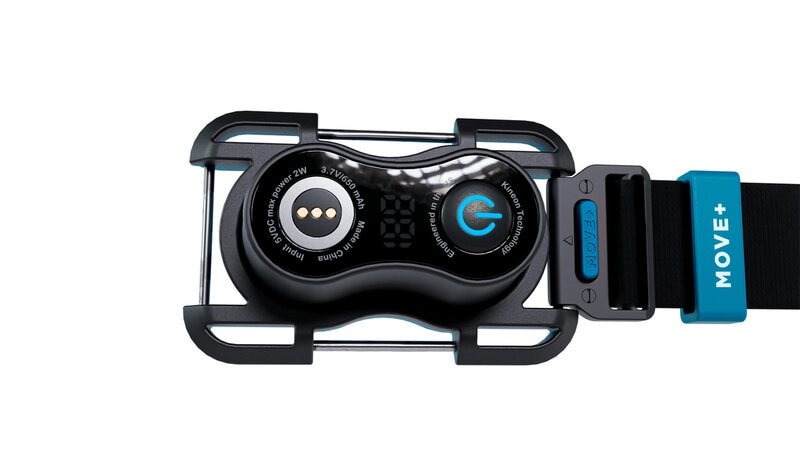
Kineon developed 'MOVE+,' a medical-grade wearable that delivers red and near-infrared light therapy directly to joints, using the same photobiomodulation technology found in elite sports medicine, in a portable, daily-use format. The device combines 808nm infrared laser diodes for deeper tissue penetration with 660nm deep-red LEDs targeting surface-level circulation and inflammation. More than 50,000 athletes and physical therapists currently use it.
Each unit features three modules, each with two emission areas, delivering laser penetration of 5-6 cm and LED penetration of 2 mm or more. Sessions last 5 to 15 minutes, up to twice daily, and the rechargeable battery lasts roughly four hours of continuous use or 24 ten-minute sessions per full charge.
MOVE+ signals how portable, dual-wavelength light therapy devices are becoming a practical alternative to clinical treatment for serious training-focused users managing chronic and acute joint pain.
Image Credit: Kineon
What Makes This Trend Stand Out
- Portable Photobiomodulation
- Compact red and near-infrared therapy formats are shifting advanced recovery from clinics into daily routines for athletes, patients, and performance-focused consumers.
- Medical-grade Recovery Wearables
- Wearable devices with clinical specifications are creating space for premium at-home treatment models that blend sports medicine credibility with consumer convenience.
- Joint-specific Pain Tech
- Targeted therapy systems for knees, shoulders, and other joints reflect rising demand for localized, non-invasive alternatives to recurring appointments or medication.
Sectors Adopting This
- Sports Medicine
- Elite recovery protocols are becoming productized for broader athletic markets as portable devices replicate clinic-based modalities in training environments.
- Wearable Health Technology
- Sensor-free therapeutic wearables are expanding the category beyond tracking by delivering active interventions for pain, inflammation, and mobility support.
- Physical Therapy
- At-home adjunct devices are reshaping rehabilitation workflows by extending supervised treatment benefits into self-managed recovery sessions between visits.