
Category
Tech
Spatial Refinement
Workstations are being outfitted around larger, more demanding displays.
Trend
Desk Systems: Workspace products are being designed around the monitor(s) as the central anchor of the setup. This shift is showing up in furniture, lighting, and computing components that are made to support larger or multiple displays, appealing to the new generation of gamers and working professionals. These add-ons are intended to make extended desk use more manageable.
Trigger
Consumers who spend much of their day at a computer may need one setup to support different kinds of work, and as larger displays become part of everyday workflows, they can create needs around posture, visibility, and hardware capacity. For buyers, the challenge is less about choosing one better device and more about making multiple tools work together coherently. That raises the value of products that anticipate compatibility and spatial fit. Brands in this space can succeed by offering versatile, systems-led solutions. Offers that solve for the whole setup may feel more relevant than products sold in isolation.
Trend themes
Larger and multiple monitors are turning the screen into the organizing point for desks, lighting, docking, storage, and ergonomics, creating room for modular products built around whole-setup compatibility.
Longer computer sessions are elevating demand for height adjustment, eye-care lighting, cable control, and posture support, leaving space for workspace systems that blend comfort features into unified furniture and accessories.
Hybrid work, AI tasks, and media-heavy workflows are pushing desks toward stronger GPUs, ultrawide displays, webcams, and single-cable connectivity, expanding possibilities for compact professional-grade workstation ecosystems.
Industry implications
Desk and storage manufacturers are increasingly tied to monitor size, device density, and sit-stand behavior, making adaptable furniture platforms more relevant than standalone surfaces.
Monitor, lighting, docking, and peripheral brands are benefiting from setups that require visual comfort and seamless device coordination, with differentiation emerging through integrated workstation accessories.
Workstations, GPUs, and hybrid collaboration hardware are becoming central to desk design as demanding workloads move into everyday office environments, opening space for performance systems tailored to compact work areas.
Workshop question
Trajectory
Latest reading 6.1 for the week of Sep 21, 2026. Holding over the final 3 scored weeks (±0.0), at its peak of 6.1. Momentum 2.2/10, persistence 2.5/10.
Evidence
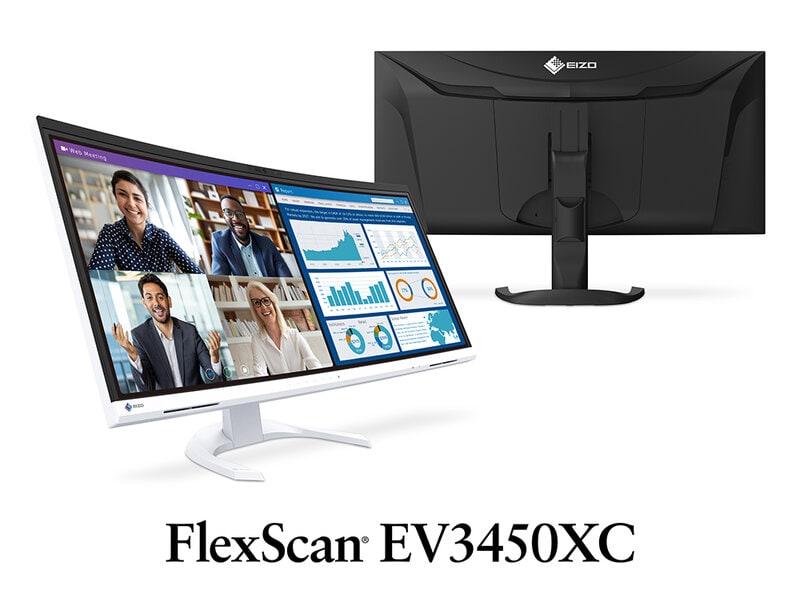
EIZO Made Its FlexScan EV3450XC For Hybrid Work
Monitor makers have space to differentiate through all-in-one workstation displays that combine connectivity, conferencing and ergonomic features.
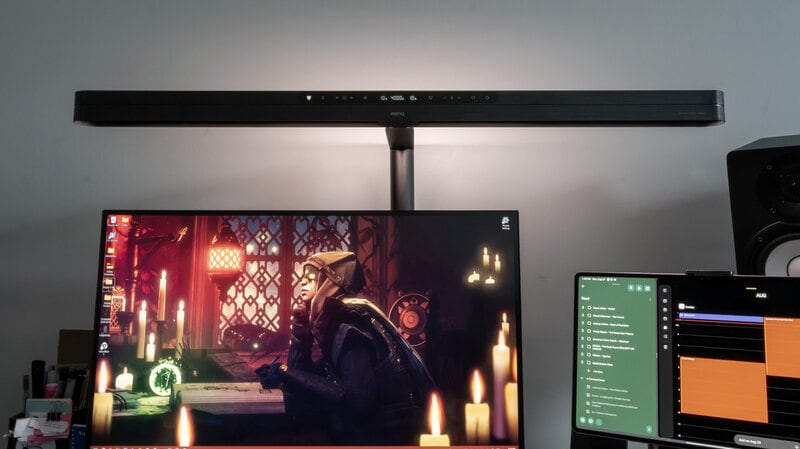
BenQ ScreenBar Max Is a Dual Screen Light
Premium desktop add-ons are becoming more specialized for professional workflows, opening opportunities for high-margin products tailored to creators, analysts, and remote workers.
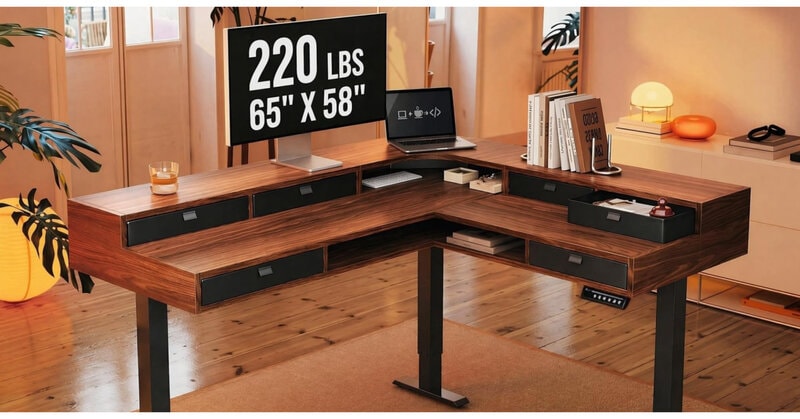
HUANUO Released Its Spacious 65-Inch Sit-Stand Desk
The growth of spacious, multifunctional desks signals opportunities for furniture companies to serve remote workers seeking professional-grade setups at accessible prices.
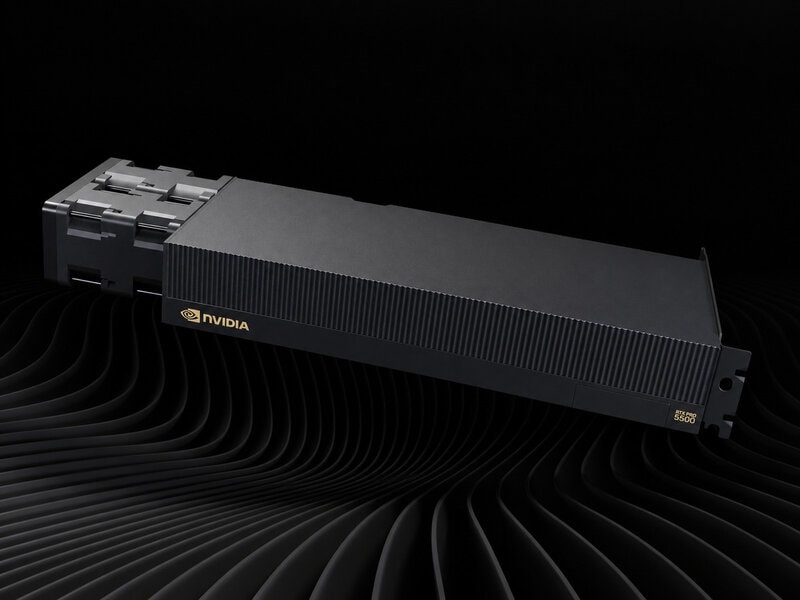
Nvidia’s RTX Pro 5500 Blackwell Delivers 84 GB Memory
Larger local GPU memory pools support more capable model development, inference and fine-tuning workflows for teams needing workstation-level control.
5 Trend Hunter articles were grouped into the wider weekly cluster this trend was identified in, over 2 weeks.