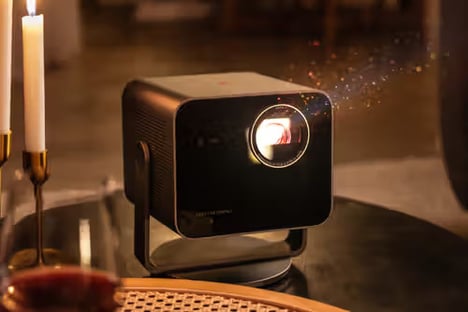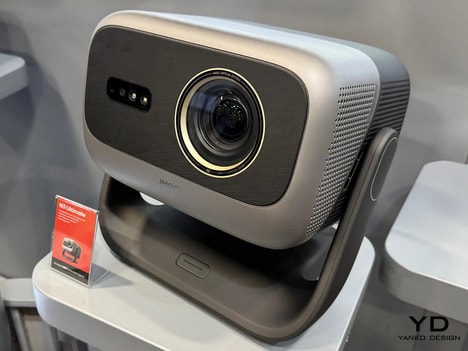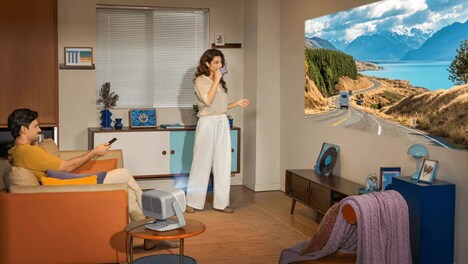
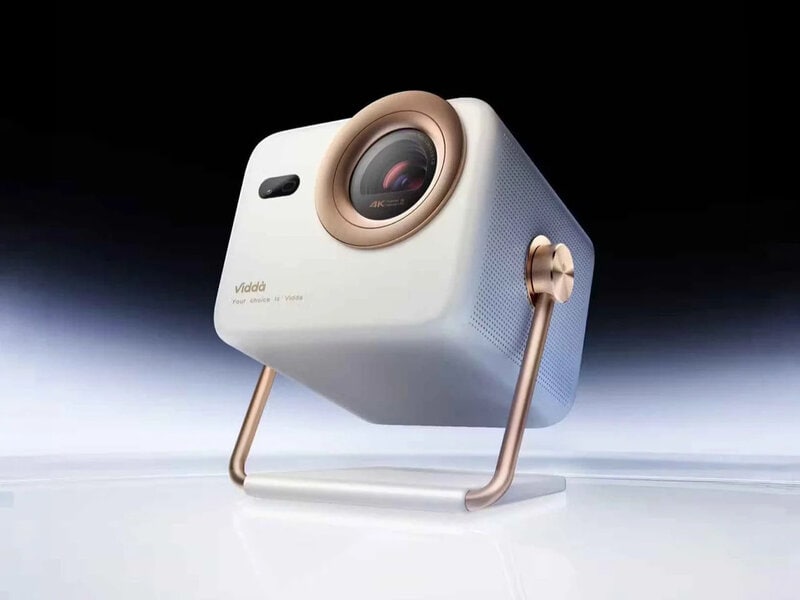
Vidda turns a projector into decor with the 'Big Eye M2 Pro Flagship Edition,' a China-only model from Hisense's youth-focused sub-brand, featuring a white body and a rose-gold stand. It can stay out in the room and swivel toward a wall or ceiling, rather than reading like another black electronics box.
A 360-degree gimbal in the stand lets the Big Eye M2 Pro point upward without a mount, making bedrooms and temporary setups far less fussy. Its CMOS sensor also handles picture alignment around obstacles, so users spend less time propping the unit on books and more time watching.
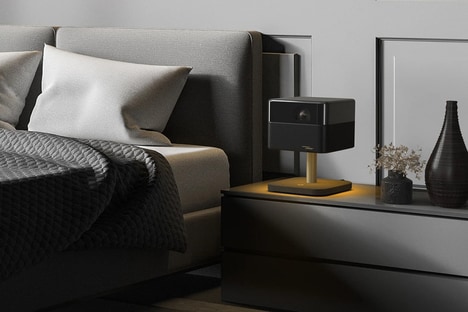
For shoppers, this means a projector no longer has to be hidden until movie night. That convergence of decor and display makes everyday placement easier, especially for people who want a flexible screen without turning the room into an AV setup.
Image Credit: Yanko Design - Modern Industrial Design News
What's Driving This Trend
- Decor-integrated Electronics
- Consumer devices that function as visible home accents create space for premium hardware to compete on aesthetics as much as technical performance.
- Ceiling-ready Projection
- Swiveling and gimbal-based projection expands screen placement beyond fixed walls, supporting more flexible entertainment experiences in compact or temporary living spaces.
- Auto-aligned Viewing
- Sensor-driven image correction reduces setup friction and makes projection more accessible for casual users who lack dedicated AV environments.
Who This Affects Most
- Consumer Electronics
- Design-forward projectors highlight how everyday devices can shift from hidden utility products into lifestyle objects for younger shoppers.
- Home Decor
- Aesthetic technology integration opens opportunities for furnishings and room accessories that incorporate entertainment functions without disrupting interior styling.
- Home Entertainment
- Flexible display formats reshape media consumption by offering large-screen experiences without permanent installations or traditional television footprints.