
Category
Tech
Adaptive Controls
Brands are embedding AI that can act across tasks continuously.

Trend
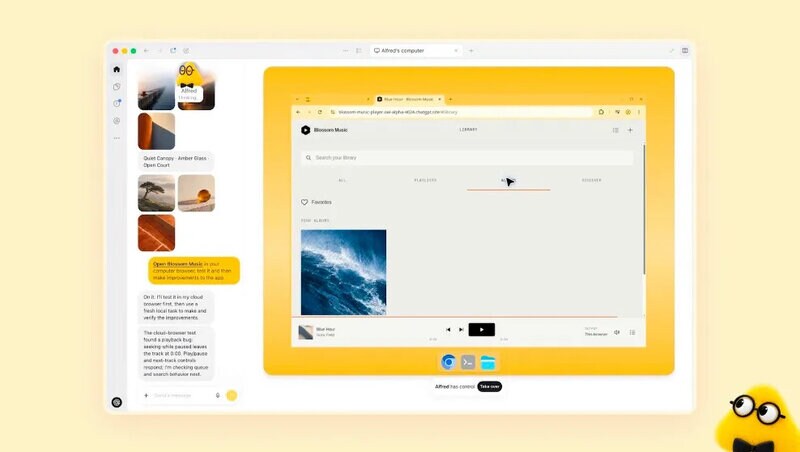
Delegated Interfaces: Digital products are evolving from prompt-based tools into systems that can interpret context, recommend next steps, and complete actions on behalf of users. As AI assistants become more embedded in consumer and workplace environments, brands are packaging autonomy in more approachable forms while adding safeguards that keep people involved when decisions carry greater risk. The result is a shift from answering questions to actively reducing friction across everyday tasks.
Trigger
As consumers grow frustrated with managing tasks across multiple apps and tools, the appeal of software that can move from recommendation to execution is increasing. Always-on assistance offers a way to reduce digital friction, but greater autonomy also raises expectations around trust and oversight, particularly in sensitive situations. Thus, the challenge for brands is not simply enabling action, but designing systems that let users delegate routine effort while retaining visibility, control, and the ability to intervene when needed.
Workshop question
Trajectory
Latest reading 6.6 for the week of Sep 28, 2026. Holding over the final 3 scored weeks (±0.0), at its peak of 6.6. Momentum 3.2/10, persistence 2.5/10, backed by 2 research findings.
Evidence
OpenAI Brings Avatar-Based AI Assistants Into Daily Tasks
Workplace platforms can embed persistent AI helpers that coordinate across existing tools, reshaping how employees manage routine collaboration and administrative workflows.
OpenAI Debuts GPT-6 Astra For Everyday Desktop Software
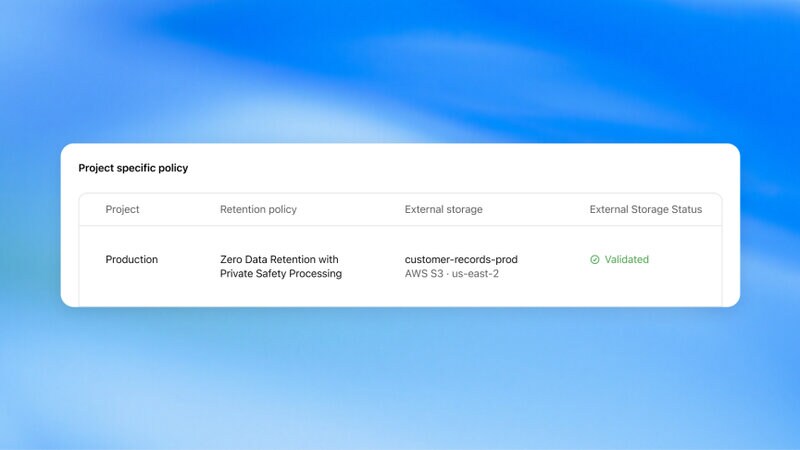
Productivity, CRM and business intelligence platforms face pressure to become agent-ready environments with safer permissions, audit trails and embedded task orchestration.
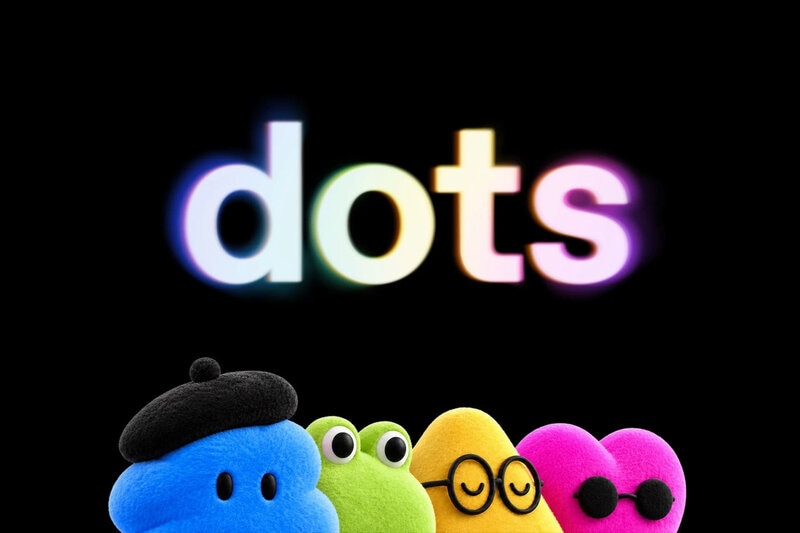
OpenAI's Dots Keep Background Work Moving
Workplace platforms can evolve through agentic AI layers that coordinate tasks, conversations, and follow-ups across team workflows.
OpenAI's ChatGPT Space Adds Pages for Teams
Integrated AI workspaces are reshaping enterprise productivity by combining communication, content creation, and workflow automation into consolidated team platforms.
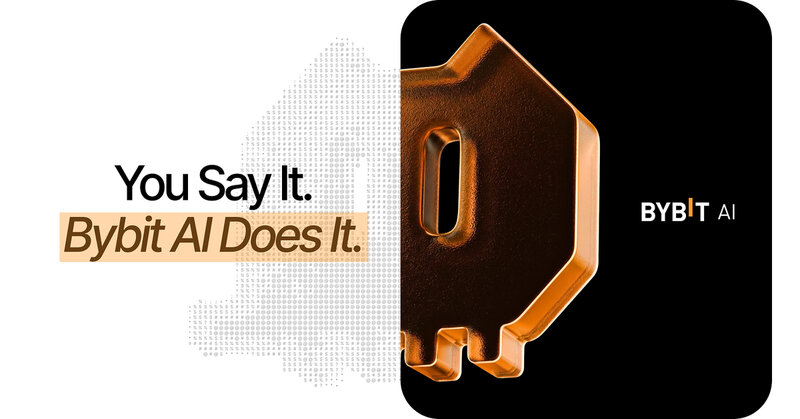
Bybit Debuts Bybit AI Conversational Layer
Crypto exchanges can differentiate through unified AI interfaces that reduce platform complexity and make advanced products more accessible to everyday users.
28 Trend Hunter articles were grouped into the wider weekly cluster this trend was identified in, over 2 weeks.
 AI-Compatible Insurance ShoppingKin Opens Digital Quotes to AI Shopping Agents
 Agentic Revenue PlatformsGong Automates Workflows from Revenue Signals
 AI Workflow ConnectorsHighLevel Connects Meta’s Muse AI Assistant To Business Workflows
 AI-Connected Field OperationsTrackVia Connects Operational Data with Enterprise AI Tools
 AI Agent InfrastructureMongoDB Brings Memory, Rules And Runtime Tools Together For Production AI
 Agentic Messenger AppsWabi 2.0 Turns a Calorie Question Into a Built-In Tracker
 Agentic Marketing PlatformsNas.com Agents Analyze and Execute Approved Campaign Actions
 AI-Powered Salon Booking MatchmakersMy Salon Suite Pairs Clients to Pros via mya
 Cross-App AI AgentsMeta's Muse for Small Business Connects Ad Accounts and Analytics
 Agentic Clinical AssistantsHeidi II Executes Administrative Tasks with Clinician Oversight
 Agentic Contact Center CoworkersBalto's Kodi Investigates Issues and Executes Approved Changes
 Protected AI FeaturesMeta Locks Down Muse and Smart Glasses with Confidential AI
 AI Home Care ReceptionistsAxisCare's Axi Assist Manages Caregiver Communications
 AI Business-Call AssistantsGoogle Tests Gemini's Call for Me on Pixel 11
 Pocket-Sized AI AgentsMeta Designs Muse Charm for Real-Time AI Conversations
 Voice-Linked VR WearablesMeta Pairs VR Glasses with the Muse Charm
 Fashion-Forward AI GlassesMeta Expands Ray-Ban Smart Glasses With New Styles And Longer Battery L
 AI-Powered VR GlassesMeta Integrates Its AI Agent Into Immersive Eyewear
 Chat-Based Shopping AgentsMeta's Muse AI Handles Chores, Runs into Amazon Roadblock
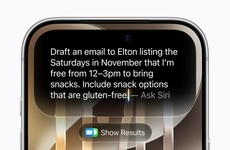 Context-Aware AI AssistantsSiri Uses Personal Context and Onscreen Awareness to Complete Tasks
 Agentic AI LaptopsHP Brings Personal AI Agents to Its Latest OmniBooks
 Cross-Platform AI AppsMeta's Muse App Gains Early Traction on Mobile
 Agentic Desktop AssistantsMeta's Muse For Mac Organizes Email, Files, And Calendars
Research
Human Backup
People want relief from effort, not relief from accountability.
The winning model is augmentation because it lets consumers offload tedious steps while keeping empathy, trust, and decision ownership in human hands when stakes feel personal or uncertain.
Guardrailed Companions
Young users are not simply adopting AI as a tool; they are folding it into search, self-expression, and support-seeking.
What matters is the tension between convenience and vulnerability: teens want instant, always-on assistance, but they also want labels, privacy protections, and clear boundaries because emotional reliance on opaque systems feels risky.