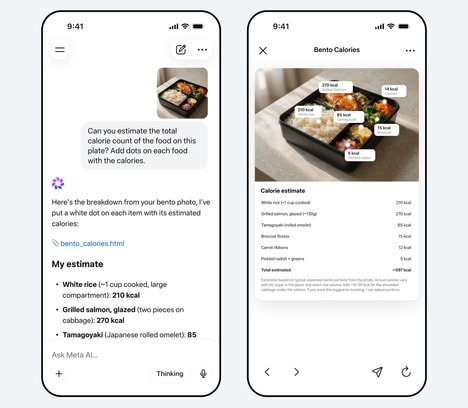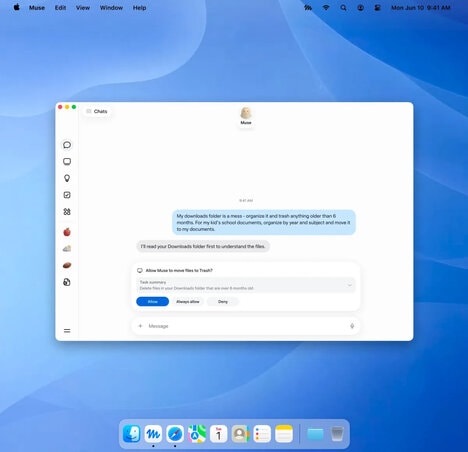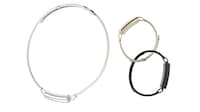
Meta is exploring pocket-sized AI agents with Muse Charm, a compact device designed specifically for interacting with the company’s Muse personal AI agent. Built around a real-time voice model, the device gives users a dedicated way to speak with Muse without relying on a phone or desktop computer. Meta describes Muse Charm as small enough to fit in a pocket, extending its broader strategy of making the agent accessible across different devices throughout the day. Additional product details are expected later in 2026.
For Meta, Muse Charm creates a dedicated hardware touchpoint for its expanding personal AI ecosystem. A voice-first device could make interactions with Muse more immediate while reducing dependence on screens and traditional computing interfaces. It also gives Meta another route for connecting its AI software with proprietary hardware, potentially encouraging users to engage with Muse more frequently across everyday situations.
Image Credit: Meta
What's Driving This Trend
- Pocket AI Companions
- Dedicated miniature devices create new space for always-available personal AI that can support daily tasks without phones, laptops, or app switching.
- Voice-first Interfaces
- Real-time conversational models are reshaping user interaction by making spoken exchanges a primary interface for computing, commerce, and personal assistance.
- Ambient AI Ecosystems
- Cross-device agent access signals a shift toward persistent AI services that follow users throughout the day across hardware touchpoints.
Who This Affects Most
- Consumer Electronics
- Compact AI-native gadgets introduce fresh product categories beyond smartphones, with differentiated value centered on immediacy, portability, and dedicated agent access.
- Artificial Intelligence
- Personal agent platforms gain commercial potential as specialized hardware increases engagement frequency and deepens the role of AI in routine decisions.
- Wearable Technology
- Small-form conversational devices blur the boundary between accessories and intelligent assistants, expanding opportunities for screenless and context-aware user experiences.