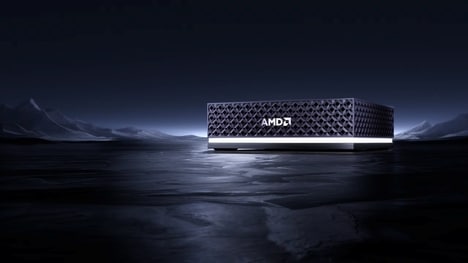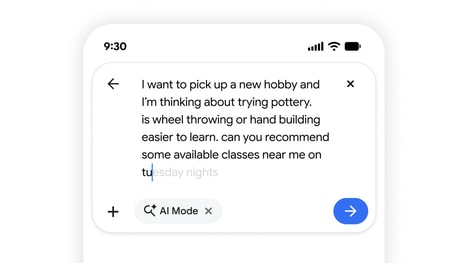
Agent-first computing devices represent a shift away from traditional app-centric computing by placing AI agents at the center of the user experience. Microsoft's Project Solara explores this direction through a platform and collection of device concepts designed to help users interact with AI assistants across different environments and workflows. Rather than relying on conventional software interfaces, the system is built around conversational interactions, task automation, and context-aware assistance. The project also introduces specialized hardware concepts, including desktop and wearable formats, that support continuous access to AI-powered tools and services.
This development highlights how technology companies are beginning to rethink both hardware and software around AI-driven experiences. New device categories could create opportunities for hardware manufacturers, enterprise software providers, and developers to build products tailored to automated workflows and intelligent assistance. As AI becomes more integrated into everyday work, businesses may increasingly prioritize platforms that reduce friction, streamline tasks, and deliver personalized support across multiple devices.
Image Credit: Microsoft
What's Driving This Trend
- Agent-first Device Ecosystems
- This shift toward placing AI agents at the center of devices creates new paradigms for hardware and OS design that prioritize continuous, cross-device conversational workflows.
- Context-aware Conversational Interfaces
- Interfaces that combine sensor, location, and activity data with natural language enable seamless task automation and reduce reliance on traditional app navigation.
- Persistent Wearable AI Assistants
- Always-on wearable agents that maintain context across sessions and environments have the potential to redefine attention, notification models, and hands-free productivity.
Who This Affects Most
- Hardware Manufacturing
- Component and device makers face demand for low-latency compute, specialized sensors, and form factors optimized for continuous AI agent interaction.
- Enterprise Software and Platforms
- Platform providers that enable agent orchestration across legacy systems and distributed devices could reshape how organizations coordinate workflows and knowledge access.
- App Development and Integration Services
- Developers and integrators building agent-aware applications and connectors may be central to enabling seamless handoffs, task automation, and multi-device continuity.